Instant ADHD Medication For Adults
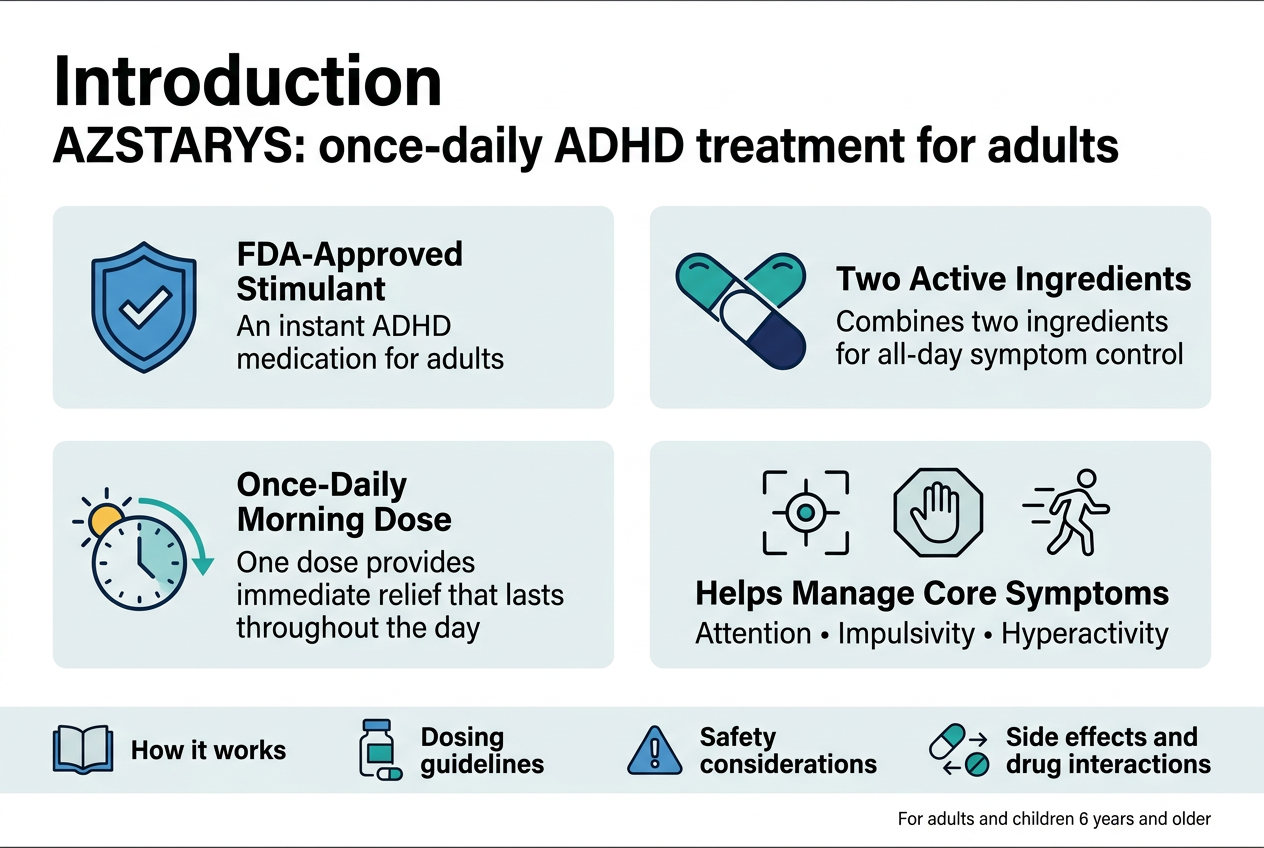
Adults with ADHD who are exploring new treatment options now have access to AZSTARYS, an instant ADHD medication for adults that offers once-daily dosing. This FDA-approved stimulant medication combines two active ingredients to provide all-day symptom control, making it different from traditional ADHD treatments currently available.
AZSTARYS is designed for adults and children 6 years and older who need help managing attention, impulsivity, and hyperactivity symptoms. The medication works by delivering immediate symptom relief that lasts throughout the day with just one morning dose.
In this guide, we’ll break down how AZSTARYS works as a new ADHD treatment option and what makes it unique from other medications. We’ll also cover proper dosing guidelines and safety considerations you need to know before starting this medication. Finally, we’ll discuss common side effects and important drug interactions to help you have informed conversations with your healthcare provider.
Understanding AZSTARYS as a New ADHD Treatment Option
FDA Approval for Ages 6 and Older with Once-Daily Dosing
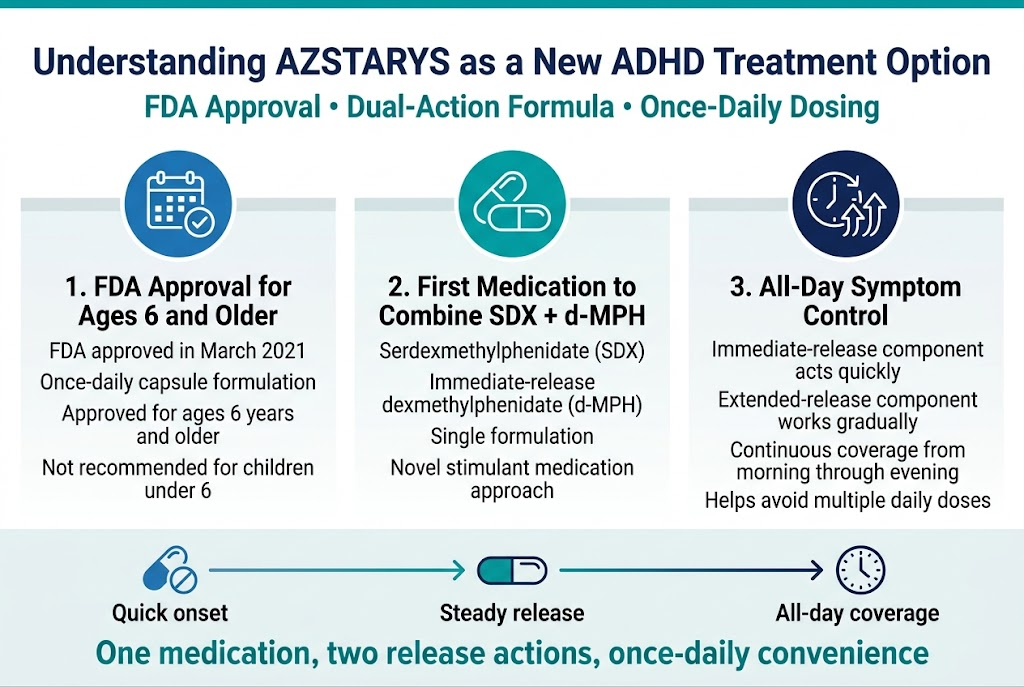
AZSTARYS represents a significant advancement in ADHD medication management, having received FDA approval in March 2021 for treating ADHD in individuals ages 6 years and older. This new ADHD treatment option is specifically designed as a once-daily capsule formulation, making it a convenient central nervous system (CNS) stimulant prescription medicine for patients and caregivers alike. The FDA’s approval excludes children under 6 years of age, as the medication is not recommended for this younger population.
The once-daily dosing schedule of AZSTARYS ADHD medication addresses one of the most common challenges in adult ADHD medication management – the need for multiple daily doses. This simplified dosing regimen can significantly improve medication adherence and reduce the complexity of daily treatment routines for both adults and children with ADHD.
First Medication Combining Serdexmethylphenidate and Immediate-Release Dexmethylphenidate
AZSTARYS stands out among new ADHD treatment options as the first medication to uniquely combine serdexmethylphenidate (SDX) and immediate-release dexmethylphenidate (d-MPH) in a single formulation. This groundbreaking combination represents a novel approach to stimulant medication for adults and children, offering a distinct mechanism of action that sets it apart from traditional ADHD medications.
The innovative pairing of these two active components creates a comprehensive treatment approach that leverages the benefits of both compounds. Serdexmethylphenidate serves as the extended-release component, while immediate-release dexmethylphenidate provides rapid symptom relief. This dual-component strategy addresses the varying needs of ADHD patients throughout their daily activities.
How AZSTARYS Provides All-Day Symptom Control with Dual-Action Formula
The dual-action formula of AZSTARYS is engineered to deliver comprehensive all-day symptom relief through its carefully designed release mechanism. The immediate-release dexmethylphenidate component kicks in quickly after administration, providing rapid onset of symptom control when patients need it most. This quick-acting element ensures that individuals don’t experience prolonged periods without therapeutic benefit.
Simultaneously, the serdexmethylphenidate component functions as an extended-release element that is absorbed slowly over several hours throughout the day. This gradual, sustained release ensures that the medication keeps working consistently, maintaining therapeutic levels and providing continuous symptom management from morning through evening.
This innovative dual-action approach eliminates the need for multiple daily doses while ensuring that patients experience consistent symptom control throughout their entire day. The combination creates a seamless therapeutic experience that addresses both immediate needs and long-term daily functioning requirements.
How AZSTARYS Works for ADHD Symptom Management
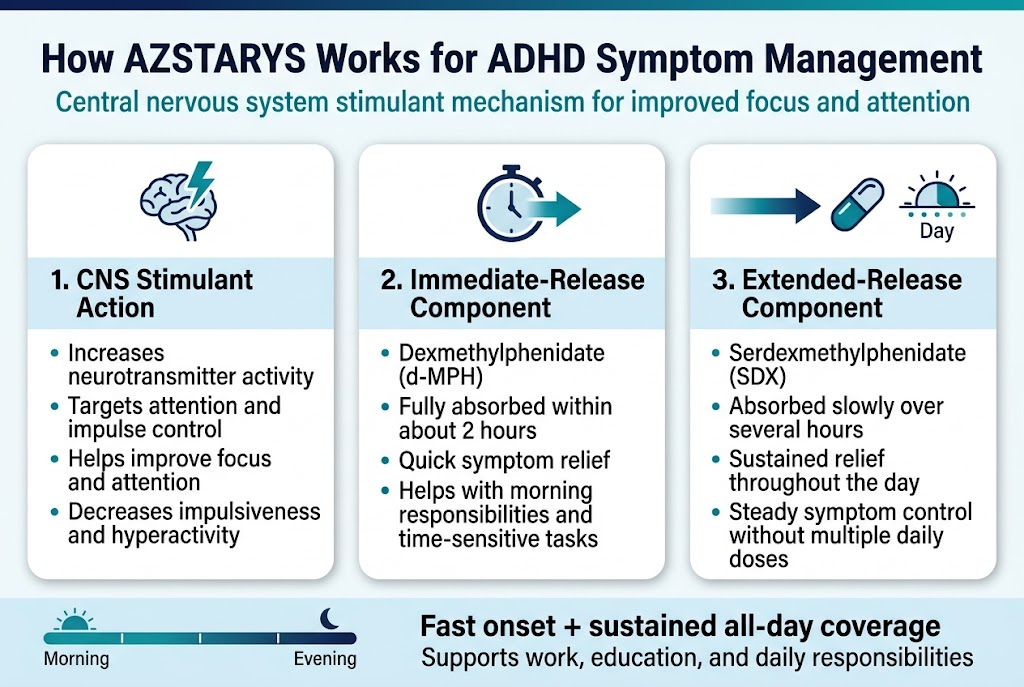
Central nervous system stimulant mechanism for improved focus and attention
AZSTARYS functions as a central nervous system (CNS) stimulant that enhances brain alertness, making it an effective ADHD medication for adults seeking improved symptom management. This stimulant mechanism works by increasing the activity of neurotransmitters in the brain, specifically targeting areas responsible for attention and impulse control. The medication’s CNS stimulant properties help individuals with ADHD experience significant improvements in their ability to focus and maintain attention on tasks.
The therapeutic effects extend beyond just attention enhancement. AZSTARYS also plays a crucial role in decreasing impulsiveness and hyperactivity, two core symptoms that significantly impact daily functioning for adults with ADHD. By modulating brain chemistry through its stimulant action, this new ADHD treatment option helps restore balance to neural pathways that are typically dysregulated in individuals with attention deficit disorders. The medication’s mechanism ensures that users can better manage their symptoms throughout various daily activities, from work-related tasks to personal responsibilities.
Immediate-release component kicks in within 2 hours
The innovative formulation of AZSTARYS includes an immediate-release dexmethylphenidate (d-MPH) component that provides rapid symptom relief. This immediate-release element is fully absorbed within approximately 2 hours of administration, ensuring that adults taking this ADHD medication experience relatively quick onset of therapeutic effects.
This rapid absorption timeline makes AZSTARYS particularly beneficial for individuals who need prompt symptom management to handle morning responsibilities or time-sensitive tasks. The quick-acting nature of the immediate-release component means that users don’t have to wait extended periods before experiencing improvements in focus and attention. This characteristic is especially valuable for adult ADHD medication management, where maintaining productivity and meeting daily obligations are critical concerns.
Extended-release component provides sustained relief throughout the day
The serdexmethylphenidate (SDX) ingredient in AZSTARYS serves as the extended-release component, offering a significant advantage for long-term symptom control. Unlike the immediate-release portion, SDX is absorbed slowly over several hours, creating a sustained therapeutic effect that extends throughout the day. This gradual absorption pattern ensures continuous medication levels in the system, providing consistent symptom management without the need for multiple daily doses.
This extended-release mechanism is particularly advantageous for adults who require all-day symptom control for work, education, or other daily activities. The sustained relief eliminates the common problem of symptom breakthrough that often occurs with shorter-acting medications. By maintaining steady therapeutic levels, the extended-release component helps prevent the fluctuations in attention and focus that can disrupt productivity and daily functioning, making it an ideal solution for comprehensive adult ADHD medication management.
Proper Dosing and Administration Guidelines
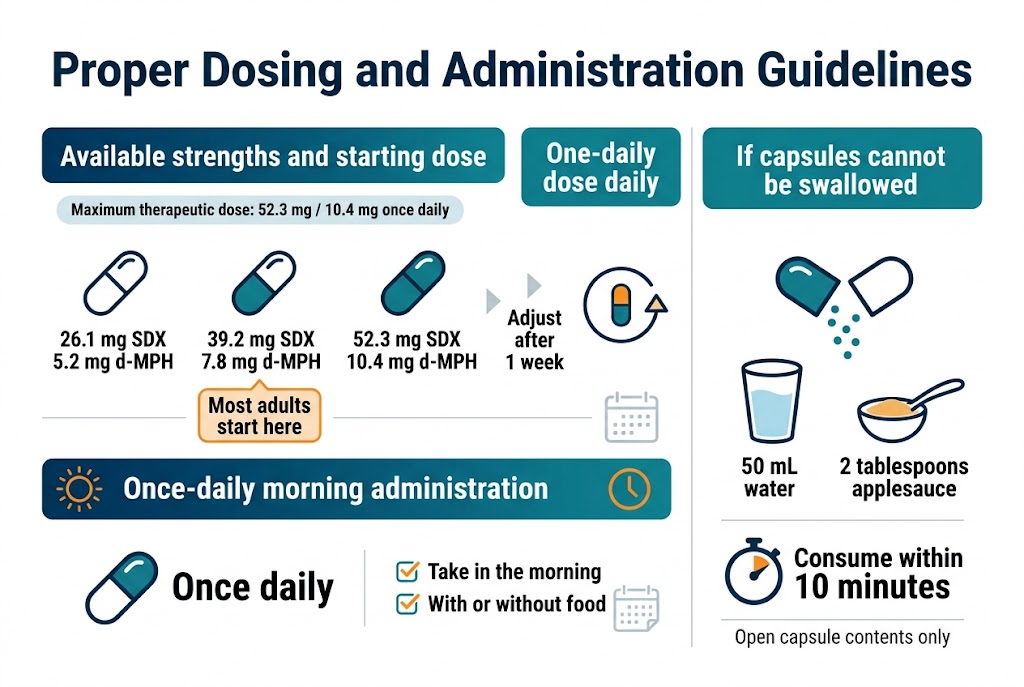
Available strengths and starting dose recommendations
AZSTARYS ADHD medication comes in three distinct formulations to accommodate varying therapeutic needs in adult patients. The available strengths include 26.1 mg SDX/5.2 mg d-MPH, 39.2 mg SDX/7.8 mg d-MPH, and 52.3 mg SDX/10.4 mg d-MPH. Each capsule contains a precisely calibrated combination of serdexmethylphenidate (SDX) and dexmethylphenidate (d-MPH).
For most adults beginning treatment with this instant ADHD medication for adults, healthcare providers typically recommend starting with the 39.2 mg/7.8 mg strength. This middle-range dosage provides an optimal balance between therapeutic efficacy and tolerability for initial treatment. The maximum therapeutic dose is established at 52.3 mg/10.4 mg once daily, which represents the ceiling for safe and effective treatment.
AZSTARYS dosing guidelines emphasize careful dose optimization based on individual patient response. After initiating treatment, healthcare providers can adjust the dosage after one week of therapy, allowing sufficient time to evaluate the patient’s response to the medication while monitoring for any adverse effects.
Once-daily morning administration with or without food
The convenience of AZSTARYS lies in its once-daily dosing schedule, which significantly improves medication adherence compared to multiple-dose regimens. This adult ADHD medication management approach simplifies the treatment routine and reduces the likelihood of missed doses.
Administration should occur in the morning to align with the medication’s extended-release profile and minimize potential sleep disturbances. The timing flexibility allows patients to take AZSTARYS with or without food, accommodating various breakfast routines and dietary preferences without compromising the medication’s effectiveness.
Alternative administration methods for those who cannot swallow capsules
Understanding that some adults may experience difficulty swallowing capsules, AZSTARYS offers practical alternative administration methods. For patients who cannot swallow the capsules whole, the contents can be carefully opened and mixed with specific vehicles to maintain the medication’s integrity.
The approved mixing options include sprinkling the capsule contents into 50 mL of water or mixing with 2 tablespoons of applesauce. This flexibility ensures that swallowing difficulties do not prevent access to effective ADHD treatment. However, timing is critical for this administration method – the prepared mixture must be consumed within 10 minutes of preparation to ensure optimal drug delivery and maintain the medication’s extended-release properties.
These alternative methods maintain the therapeutic effectiveness while accommodating individual patient needs and preferences.
Important Safety Considerations and Warnings
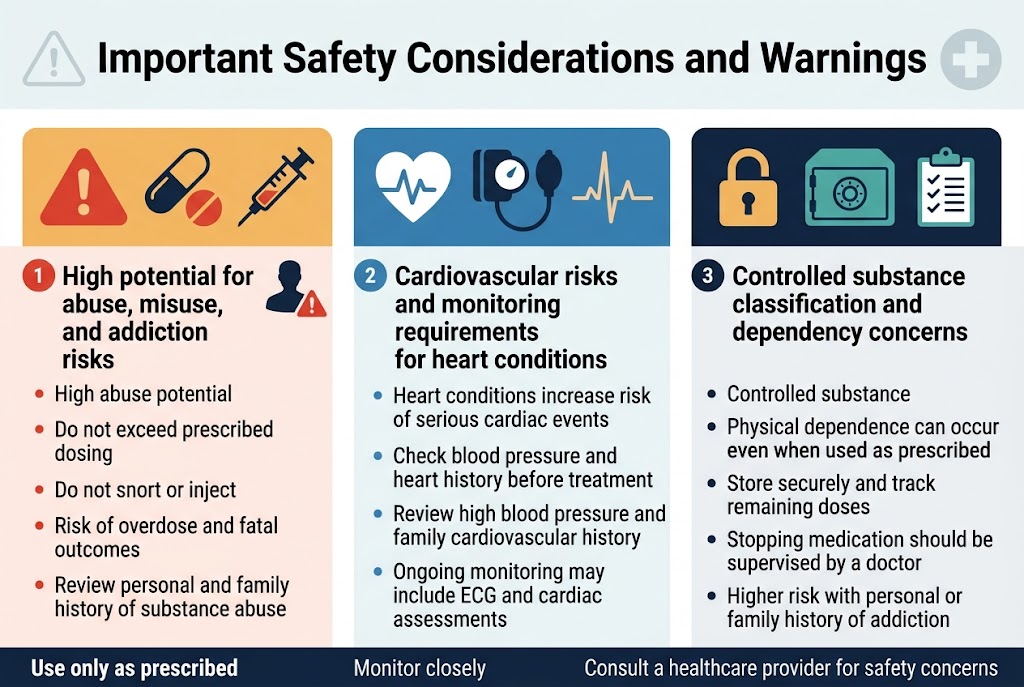
High potential for abuse, misuse, and addiction risks
AZSTARYS ADHD medication carries significant abuse and addiction potential that requires careful consideration before beginning treatment. This stimulant medication for adults has been classified with high abuse potential due to its amphetamine-based formulation, which can lead to serious substance use problems when not used as prescribed.
The risk of addiction escalates dramatically when patients exceed recommended dosing guidelines or use the medication through unapproved methods. Particularly concerning is the practice of snorting or injecting AZSTARYS, which can result in overdose and potentially fatal outcomes. These dangerous administration methods bypass the medication’s intended extended-release mechanism, delivering concentrated doses that overwhelm the body’s systems.
Healthcare providers must thoroughly evaluate each patient’s personal and family history of substance abuse before prescribing this new ADHD treatment option. Individuals with previous addiction experiences face heightened vulnerability to developing dependency on AZSTARYS, requiring enhanced monitoring throughout treatment.
Cardiovascular risks and monitoring requirements for heart conditions
Adult ADHD medication management with AZSTARYS demands careful cardiovascular assessment, as patients with existing heart conditions face elevated risks of serious cardiac events, including heart attacks. The stimulant properties of this medication can place additional strain on the cardiovascular system, making thorough medical evaluation essential.
Healthcare providers must obtain complete cardiac histories before initiating treatment, including documentation of high blood pressure, previous heart problems, or family history of cardiovascular disease. Regular monitoring becomes crucial for patients with identified risk factors, potentially requiring periodic electrocardiograms, blood pressure checks, and cardiac function assessments throughout treatment.
Controlled substance classification and dependency concerns
AZSTARYS safety warnings emphasize its classification as a controlled substance due to significant dependency potential. This regulatory designation reflects the medication’s capacity to cause physical dependence even when used according to prescribed guidelines, necessitating careful prescription management and patient education.
The controlled substance status requires special handling protocols, including secure storage and careful tracking of remaining doses. Patients must understand that physical dependence can develop regardless of proper usage, and discontinuation should always occur under medical supervision to prevent withdrawal complications. Those with personal or family histories of addiction face substantially higher dependency risks, requiring enhanced monitoring and potentially alternative treatment considerations.
Common Side Effects and What to Expect
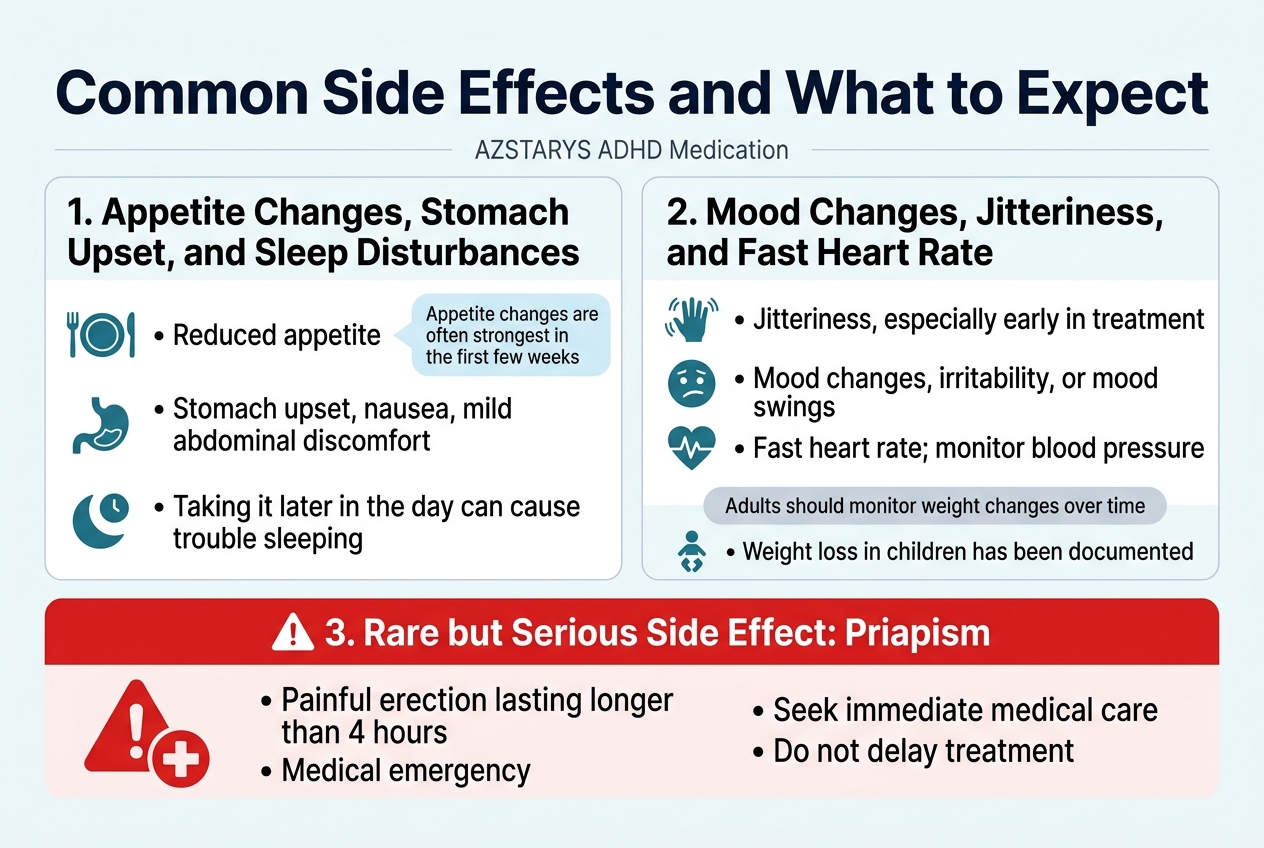
Appetite changes, stomach upset, and sleep disturbances
When starting AZSTARYS ADHD medication, patients commonly experience gastrointestinal and sleep-related side effects that can significantly impact daily functioning. Lower appetite represents one of the most frequently reported side effects, often leading to reduced food intake throughout the day. This appetite suppression typically occurs as the medication affects neurotransmitter pathways that regulate hunger signals in the brain.
Stomach upset frequently accompanies appetite changes, manifesting as nausea, digestive discomfort, or general gastrointestinal distress. These symptoms may be more pronounced when first beginning treatment or adjusting dosages. Healthcare providers often recommend taking the medication with food to minimize stomach irritation.
Trouble sleeping, particularly when AZSTARYS is taken later in the day, poses another significant concern for patients. The stimulant properties of this ADHD medication can interfere with natural sleep patterns, making it difficult to fall asleep or maintain restful sleep throughout the night. Timing of administration becomes crucial in managing this side effect effectively.
Weight loss in children represents a particularly important consideration, as it can affect growth and development. Regular monitoring by healthcare providers ensures that any significant weight changes are addressed promptly through dosage adjustments or nutritional interventions.
Mood changes, jitteriness, and cardiovascular effects
Now that we have covered the gastrointestinal and sleep-related effects, it’s important to understand the neurological and cardiovascular side effects associated with AZSTARYS. Jitteriness commonly occurs as patients adjust to the stimulant medication, manifesting as feelings of restlessness, shakiness, or an inability to remain still. This hyperactive sensation often diminishes as the body adapts to the medication over time.
Mood changes present another significant category of side effects that require careful monitoring. Patients may experience increased irritability, emotional volatility, or fluctuations in their overall emotional state. These mood alterations can affect personal relationships and daily interactions, making open communication with healthcare providers essential for proper management.
A fast heart rate represents the primary cardiovascular effect associated with this ADHD medication for adults. The stimulant properties can increase heart rate and blood pressure, particularly during the initial weeks of treatment. Regular cardiovascular monitoring becomes especially important for patients with pre-existing heart conditions or those at risk for cardiovascular complications.
These side effects typically occur as the medication reaches peak effectiveness in the system and may vary in intensity depending on individual tolerance levels and dosage requirements.
Rare but serious side effects requiring immediate medical attention
Previously, I’ve discussed the more common side effects, but with this in mind, next, we’ll examine the rare but potentially serious complications that demand immediate medical intervention. Priapism stands out as the most critical rare side effect associated with AZSTARYS, characterized by a painful erection lasting longer than four hours.
This condition represents a urological emergency that requires immediate medical attention to prevent permanent damage to penile tissue. The prolonged erection occurs independently of sexual arousal and can cause severe pain and tissue complications if left untreated. Healthcare providers must inform patients about recognizing this symptom and seeking emergency medical care without delay.
The mechanism behind priapism involves the medication’s effect on blood flow regulation, though the exact pathophysiology remains complex. Unlike the more common side effects that may resolve with time or dosage adjustments, priapism requires urgent intervention to preserve long-term sexual function and prevent permanent tissue damage.
Patients prescribed AZSTARYS should receive clear instructions about recognizing this emergency condition and understand that immediate medical attention is non-negotiable when priapism occurs. Emergency departments are equipped to handle this condition through various medical interventions designed to restore normal blood flow and prevent lasting complications.
Drug Interactions and Precautions
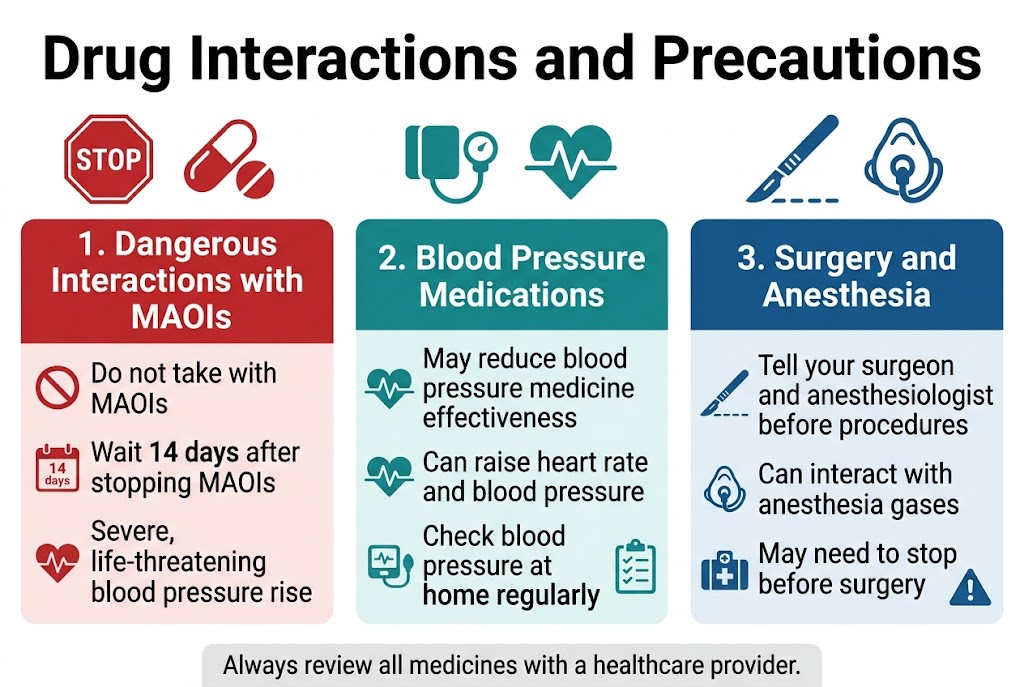
Dangerous Interactions with MAOIs and Timing Restrictions
AZSTARYS ADHD medication carries a critical warning regarding monoamine oxidase inhibitors (MAOIs) that every patient and healthcare provider must understand. This instant ADHD medication for adults should never be taken concurrently with MAOIs, as this combination can trigger a severe, life-threatening rise in blood pressure. The interaction is so dangerous that AZSTARYS must not be used within 14 days of stopping an MAOI treatment.
This timing restriction exists because MAOIs continue to affect the body’s enzyme systems even after discontinuation. The 14-day waiting period ensures that MAOI effects have sufficiently cleared from the system before introducing AZSTARYS. Healthcare providers must carefully review all current medications, including antidepressants and other psychiatric medications, as some may contain MAOI components that patients might not recognize.
The blood pressure elevation resulting from this drug interaction can be sudden and potentially fatal, making this one of the most serious AZSTARYS drug interactions to avoid. Patients switching from MAOI therapy to AZSTARYS require careful medical supervision and timing coordination to ensure safe treatment transitions.
Blood Pressure Medication Effectiveness and Monitoring Needs
Adult ADHD medication management with AZSTARYS requires special attention to cardiovascular effects, particularly regarding blood pressure medications. This stimulant medication for adults can reduce the effectiveness of existing blood pressure treatments, potentially compromising cardiovascular control in patients with hypertension.
Patients taking blood pressure medications alongside AZSTARYS may experience diminished antihypertensive effects, requiring dosage adjustments or additional monitoring protocols. Healthcare providers often recommend that patients establish a routine of checking their blood pressure regularly at home to track any changes in cardiovascular response.
The interaction occurs because AZSTARYS, like other stimulant medications, can increase heart rate and blood pressure, counteracting the intended effects of antihypertensive drugs. This doesn’t necessarily prevent patients from using both medications simultaneously, but it does require enhanced monitoring and potentially modified treatment approaches.
Regular blood pressure monitoring becomes essential for detecting any concerning trends early. Patients should maintain detailed records of their home blood pressure readings and report any significant changes to their healthcare provider promptly.
Surgical Considerations and Anesthesia Interactions
Surgical procedures present unique challenges for patients taking AZSTARYS, particularly regarding anesthesia interactions. The new ADHD treatment options like AZSTARYS can interact dangerously with anesthesia gases, potentially causing sudden and severe increases in both blood pressure and heart rate during surgical procedures.
Healthcare providers performing any surgical intervention, from minor outpatient procedures to major operations, must be informed about AZSTARYS use before administering anesthesia. This advance notification allows anesthesiologists to adjust their protocols and select appropriate medications that won’t interact adversely with the ADHD medication.
The interaction mechanism involves the stimulant properties of AZSTARYS amplifying the cardiovascular effects of certain anesthetic agents. This can lead to unpredictable spikes in vital signs that could compromise patient safety during surgery.
Depending on the type and urgency of the surgical procedure, healthcare providers may recommend temporarily discontinuing AZSTARYS before surgery. However, this decision requires careful consideration of both the surgical timeline and the patient’s ADHD symptom management needs, making advance communication with all healthcare team members crucial for optimal patient safety.
Availability and Practical Considerations
Expected Market Availability Timeline
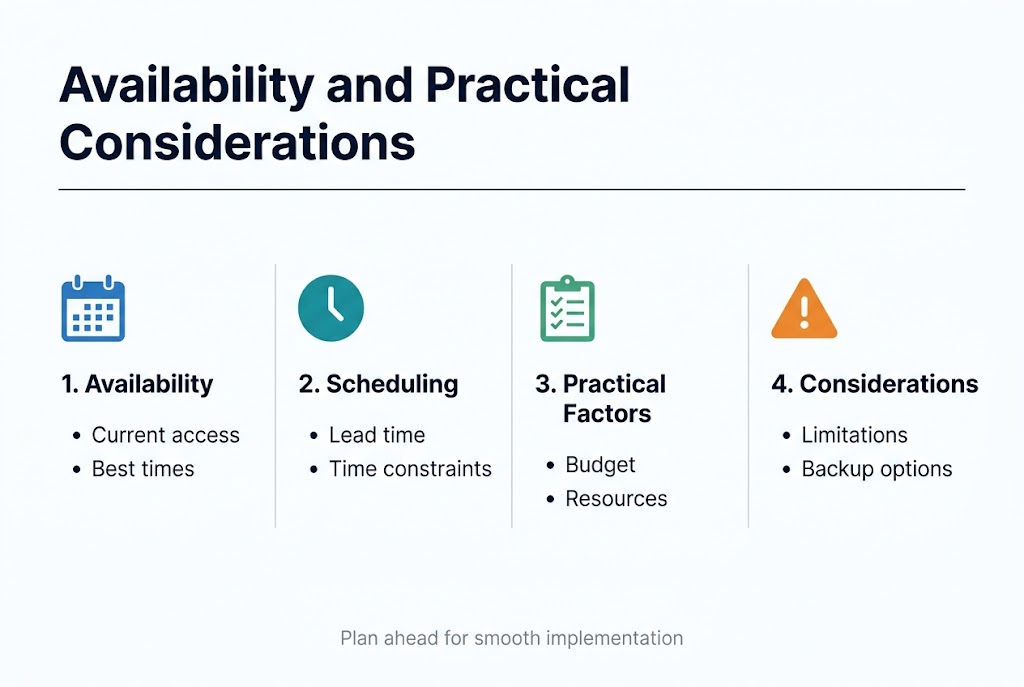
AZSTARYS ADHD medication is anticipated to become available to the public this summer, marking an important milestone for adults seeking new ADHD treatment options. This timeline represents a significant development in the landscape of instant ADHD medication for adults, offering patients and healthcare providers an additional therapeutic choice for managing ADHD symptoms. The summer availability means that healthcare professionals can begin incorporating this medication into their treatment protocols relatively soon, providing patients with access to this innovative formulation that combines immediate and extended-release components.
The expected timeline allows both patients and healthcare providers to prepare for the introduction of this new medication option. Healthcare professionals can begin familiarizing themselves with AZSTARYS dosing guidelines and patient selection criteria, ensuring they are ready to prescribe appropriately when the medication becomes commercially available.
Insurance Coverage for Commercially Insured Patients
One of the most encouraging aspects of AZSTARYS availability is its accessibility through insurance coverage. The medication is available for all commercially insured patients, which significantly reduces potential barriers to access that often accompany new pharmaceutical treatments. This comprehensive coverage across commercial insurance plans means that patients won’t face the typical delays or denials that can occur with newly approved medications.
The broad insurance coverage for AZSTARYS represents a substantial advantage for adult ADHD medication management, as cost considerations often play a crucial role in treatment decisions. With commercial insurance coverage already established, patients and their healthcare providers can focus on determining whether AZSTARYS is the most appropriate treatment option based on clinical factors rather than financial constraints.
Pharmacy Ordering Considerations and Patient Preparation
Healthcare providers should implement specific communication protocols when prescribing AZSTARYS to ensure smooth dispensing processes. Pharmacists should be informed in advance if AZSTARYS is prescribed, as it may take longer to order than other medications currently available in most pharmacy inventories. This advance notice is crucial for preventing delays in patient treatment initiation and maintaining continuity of care.
The extended ordering time reflects the newness of this medication in the market and the need for pharmacies to establish supply chains and inventory management systems for AZSTARYS. Patients should be informed about potential delays during the initial prescription fill, allowing them to plan accordingly and avoid treatment interruptions. Healthcare providers may want to consider coordinating with preferred pharmacies to ensure they are prepared to stock AZSTARYS, particularly for practices that treat a high volume of adult ADHD patients.
This proactive approach to pharmacy coordination ensures that the practical aspects of AZSTARYS availability don’t create unnecessary obstacles for patients beginning this new treatment option.
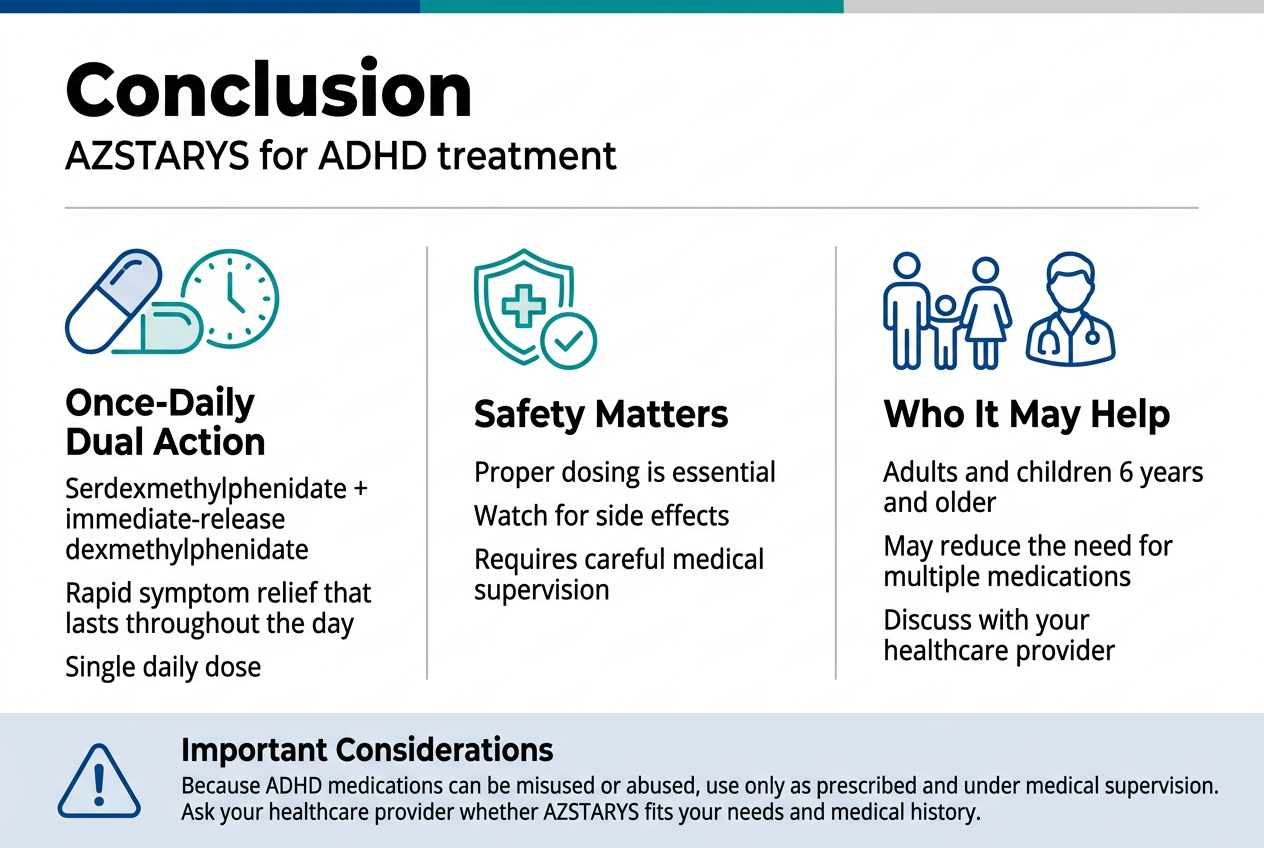
AZSTARYS represents a significant advancement in ADHD treatment for adults and children 6 years and older, offering the unique combination of serdexmethylphenidate and immediate-release dexmethylphenidate in a single daily dose. This innovative formulation provides rapid symptom relief that extends throughout the day, potentially reducing the need for multiple medications. Understanding proper dosing, safety considerations, and potential side effects is crucial for maximizing the benefits of this treatment while minimizing risks.
As with any ADHD medication, AZSTARYS requires careful medical supervision due to its potential for abuse, misuse, and addiction. The convenience of once-daily dosing, combined with its unique dual-action formula, makes AZSTARYS a valuable option for those seeking effective ADHD symptom management. If you’re considering AZSTARYS for yourself or your child, discuss with your healthcare provider whether this treatment aligns with your specific needs and medical history to determine if it’s the right choice for your ADHD management plan.