All Pain Medication Options For Adults
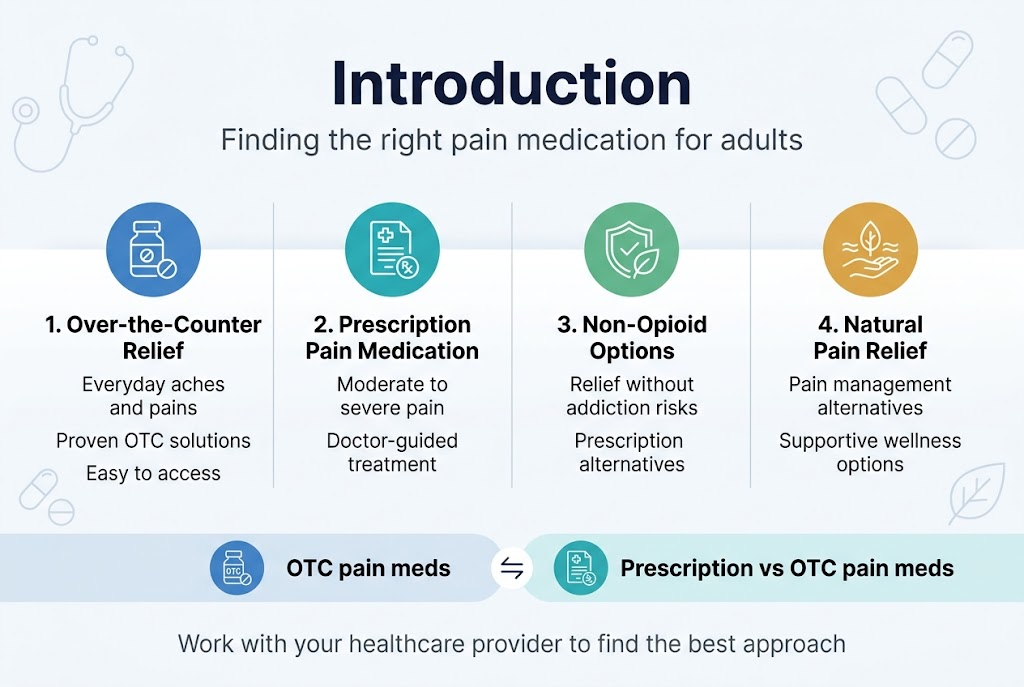
Dealing with pain affects millions of adults every day, and finding the right pain medication for adults can feel overwhelming with so many choices available. This guide is designed for adults experiencing acute or chronic pain who want to understand their complete range of treatment options, from over the counter pain relief to prescription pain medication.
We’ll explore proven over-the-counter solutions that can tackle everyday aches and pains effectively. You’ll also learn about prescription pain medication options for moderate to severe pain, including non-opioid pain medication alternatives that offer relief without addiction risks. Finally, we’ll cover natural pain relief options and pain management alternatives to help you make informed decisions about your pain relief strategy.
Whether you’re managing short-term discomfort or chronic pain management needs, understanding the difference between prescription vs OTC pain meds will help you work with your healthcare provider to find the most effective approach for your specific situation.
Over-the-Counter Pain Relief Solutions That Work
Fast-Acting NSAIDs for Immediate Relief
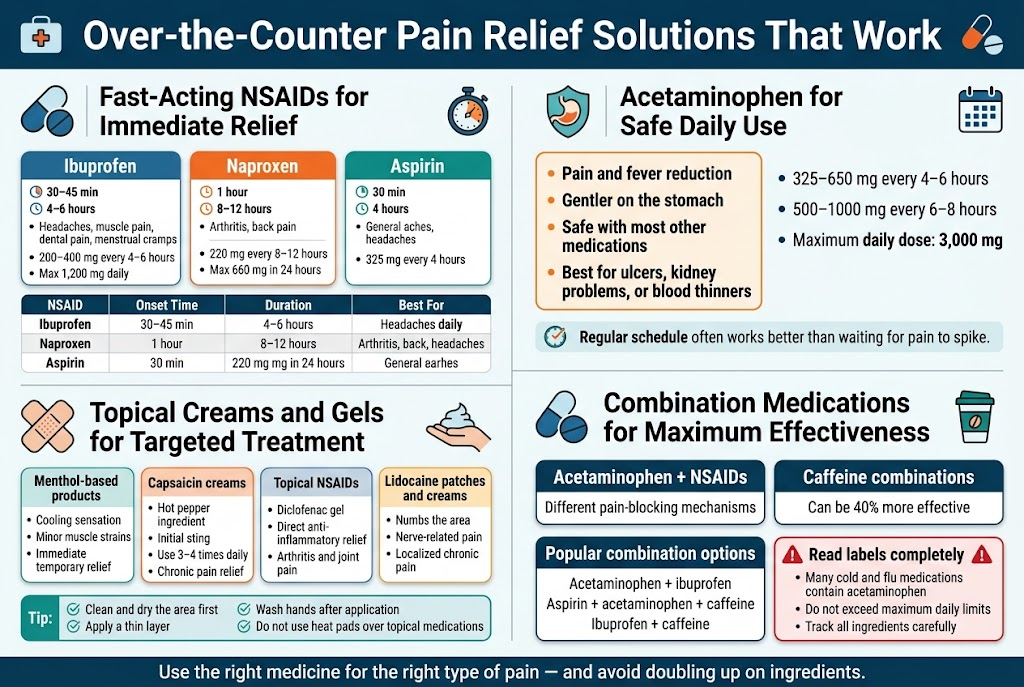
NSAIDs (nonsteroidal anti-inflammatory drugs) are your go-to choice when you need quick over the counter pain relief that actually works. Ibuprofen, aspirin, and naproxen stand out as the most effective options for adults dealing with pain and inflammation.
Ibuprofen works fast, usually kicking in within 30-45 minutes. You’ll find it helpful for headaches, muscle pain, dental pain, and menstrual cramps. The standard adult dose is 200-400mg every 4-6 hours, with a maximum of 1,200mg daily without medical supervision.
Naproxen lasts longer than ibuprofen – up to 12 hours per dose. This makes it perfect for conditions like arthritis or back pain where you want sustained relief. Take 220mg every 8-12 hours, but don’t exceed 660mg in 24 hours.
Aspirin works well for headaches and general aches, plus it has the added benefit of blood-thinning properties. Regular strength (325mg) every 4 hours works for most adults.
| NSAID | Onset Time | Duration | Best For |
|---|---|---|---|
| Ibuprofen | 30-45 min | 4-6 hours | Headaches, muscle pain |
| Naproxen | 1 hour | 8-12 hours | Arthritis, back pain |
| Aspirin | 30 min | 4 hours | General aches, headaches |
Acetaminophen for Safe Daily Use
Acetaminophen offers excellent pain medication for adults who can’t take NSAIDs or need something gentler on the stomach. Unlike NSAIDs, acetaminophen doesn’t reduce inflammation, but it’s highly effective for pain and fever reduction.
The big advantage? You can take acetaminophen safely with most other medications, and it won’t irritate your stomach lining or affect your kidneys the way NSAIDs can. This makes it ideal for people with ulcers, kidney problems, or those taking blood thinners.
Dosing guidelines:
-
Regular strength: 325-650mg every 4-6 hours
-
Extra strength: 500-1000mg every 6-8 hours
-
Maximum daily dose: 3,000mg (some experts recommend staying under 3,000mg)
Acetaminophen works particularly well for:
-
Arthritis pain (when inflammation isn’t the main issue)
-
Headaches and migraines
-
Post-surgical pain
-
Chronic pain conditions requiring daily medication
The key is consistency. Taking acetaminophen on a regular schedule often provides better pain control than waiting for pain to spike.
Topical Creams and Gels for Targeted Treatment
Topical pain relievers let you attack pain right where it hurts without affecting your entire system. These adult pain relief options work especially well for muscle and joint pain that’s close to the skin surface.
Menthol-based products create a cooling sensation that interrupts pain signals. They work great for minor muscle strains and provide immediate, though temporary, relief.
Capsaicin creams contain the active ingredient from hot peppers. They might sting initially, but with regular use (3-4 times daily), they can significantly reduce chronic pain by depleting substance P, a neurotransmitter that sends pain signals.
Topical NSAIDs like diclofenac gel deliver anti-inflammatory medication directly to the painful area. These prescription-strength formulations (now available OTC) provide powerful relief for arthritis and joint pain with minimal systemic absorption.
Lidocaine patches and creams numb the area completely. They’re particularly effective for nerve-related pain and localized chronic pain conditions.
Application tips:
-
Clean and dry the area first
-
Apply a thin layer and rub in gently
-
Wash hands thoroughly after application
-
Don’t use heat pads over topical medications
-
Allow time between applications as directed
Combination Medications for Maximum Effectiveness
Sometimes single-ingredient pain medications aren’t enough. Combination products can provide enhanced relief by targeting pain through multiple pathways simultaneously.
Acetaminophen + NSAIDs combinations work exceptionally well because they use different pain-blocking mechanisms. You can safely take acetaminophen with ibuprofen or naproxen, following proper dosing for each medication separately.
Caffeine combinations amplify pain relief. Products containing acetaminophen or aspirin plus caffeine (like Excedrin) can be 40% more effective than the pain reliever alone. Caffeine enhances absorption and adds its own mild analgesic properties.
Popular combination options:
-
Acetaminophen + ibuprofen (take separately or find combo products)
-
Aspirin + acetaminophen + caffeine (Excedrin-type formulations)
-
Ibuprofen + caffeine combinations
When using combination pain medication for adults, track all ingredients carefully to avoid accidentally exceeding safe doses. Many people don’t realize they’re doubling up on acetaminophen when taking multiple products.
Safety reminders:
-
Read labels completely – many cold and flu medications contain acetaminophen
-
Space doses appropriately for each active ingredient
-
Don’t exceed maximum daily limits for any single ingredient
-
Consider alternating between different types rather than combining if you’re unsure
These prescription vs OTC pain meds strategies give you multiple options for effective pain management without needing a doctor’s visit.
Prescription Pain Medications for Moderate to Severe Pain
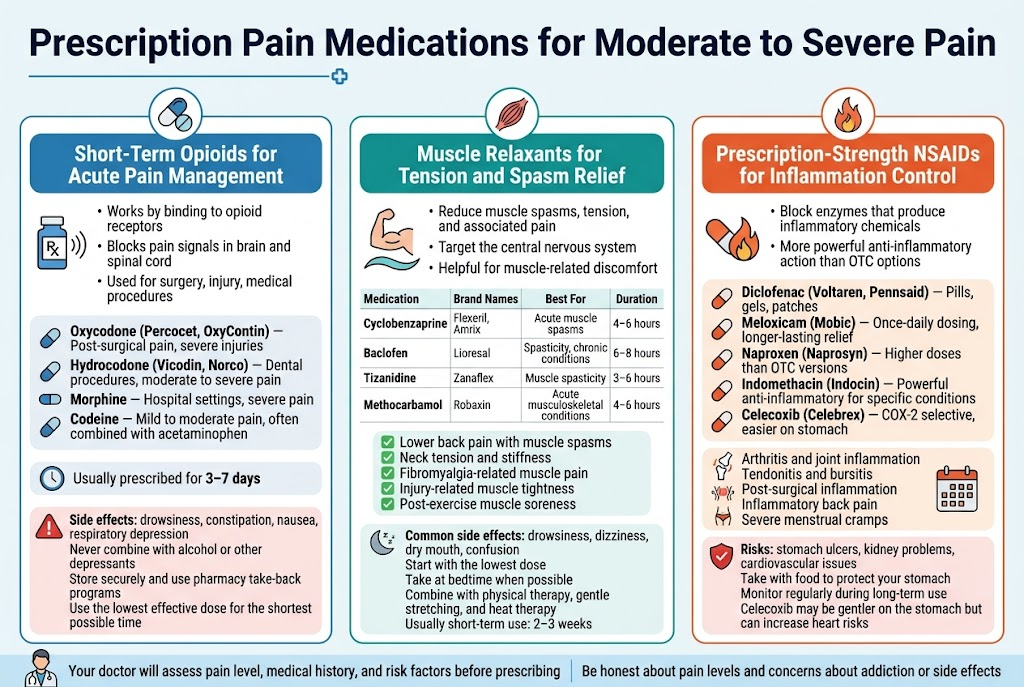
Short-Term Opioids for Acute Pain Management
When dealing with severe acute pain from surgery, injury, or medical procedures, short-term opioids often provide the most effective relief. These prescription pain medications work by binding to opioid receptors in the brain and spinal cord, blocking pain signals and creating a sense of well-being.
Common short-term opioids include:
-
Oxycodone (Percocet, OxyContin): Effective for post-surgical pain and severe injuries
-
Hydrocodone (Vicodin, Norco): Often prescribed for dental procedures and moderate to severe pain
-
Morphine: Used in hospital settings for severe pain management
-
Codeine: Milder option for moderate pain, often combined with acetaminophen
Doctors typically prescribe these medications for 3-7 days to minimize dependency risks. The key is using the lowest effective dose for the shortest possible time. Most healthcare providers now follow strict guidelines, starting with lower doses and monitoring patients closely.
Side effects can include drowsiness, constipation, nausea, and respiratory depression. Never combine opioids with alcohol or other depressants. Always store these medications securely and dispose of unused pills properly through pharmacy take-back programs.
Your doctor will assess your pain level, medical history, and risk factors before prescribing opioids. Be honest about your pain levels and any concerns about addiction or side effects.
Muscle Relaxants for Tension and Spasm Relief
Muscle relaxants target the central nervous system to reduce muscle spasms, tension, and associated pain. These prescription medications work differently than pain relievers, addressing the root cause of muscle-related discomfort rather than just masking symptoms.
Common muscle relaxants include:
| Medication | Brand Names | Best For | Duration |
|---|---|---|---|
| Cyclobenzaprine | Flexeril, Amrix | Acute muscle spasms | 4-6 hours |
| Baclofen | Lioresal | Spasticity, chronic conditions | 6-8 hours |
| Tizanidine | Zanaflex | Muscle spasticity | 3-6 hours |
| Methocarbamol | Robaxin | Acute musculoskeletal conditions | 4-6 hours |
Muscle relaxants prove particularly helpful for:
-
Lower back pain with muscle spasms
-
Neck tension and stiffness
-
Fibromyalgia-related muscle pain
-
Injury-related muscle tightness
-
Post-exercise muscle soreness
These medications often cause drowsiness, so avoid driving or operating machinery. Some people experience dizziness, dry mouth, or confusion. Start with the lowest dose and take them at bedtime when possible.
Combine muscle relaxants with physical therapy, gentle stretching, and heat therapy for best results. Most doctors prescribe them for short-term use (2-3 weeks) to prevent tolerance and dependency.
Prescription-Strength NSAIDs for Inflammation Control
Prescription-strength NSAIDs offer more powerful anti-inflammatory action than over-the-counter options, making them valuable for conditions where inflammation drives pain. These medications block specific enzymes that produce inflammatory chemicals in your body.
Prescription NSAIDs and their strengths:
-
Diclofenac (Voltaren, Pennsaid): Available in pills, gels, and patches
-
Meloxicam (Mobic): Longer-lasting relief with once-daily dosing
-
Naproxen (Naprosyn): Higher doses than OTC versions
-
Indomethacin (Indocin): Powerful anti-inflammatory for specific conditions
-
Celecoxib (Celebrex): COX-2 selective, easier on stomach
These prescription pain medications excel at treating:
-
Arthritis and joint inflammation
-
Tendonitis and bursitis
-
Post-surgical inflammation
-
Inflammatory back pain
-
Severe menstrual cramps
Prescription NSAIDs carry risks including stomach ulcers, kidney problems, and cardiovascular issues. Your doctor will monitor you regularly, especially during long-term use. Take them with food to protect your stomach, and report any unusual symptoms immediately.
COX-2 selective inhibitors like celecoxib may be safer for people with stomach problems but can increase heart risks. Your healthcare provider will weigh these factors when choosing the right prescription NSAID for your specific condition and health profile.
Non-Opioid Prescription Alternatives for Chronic Pain
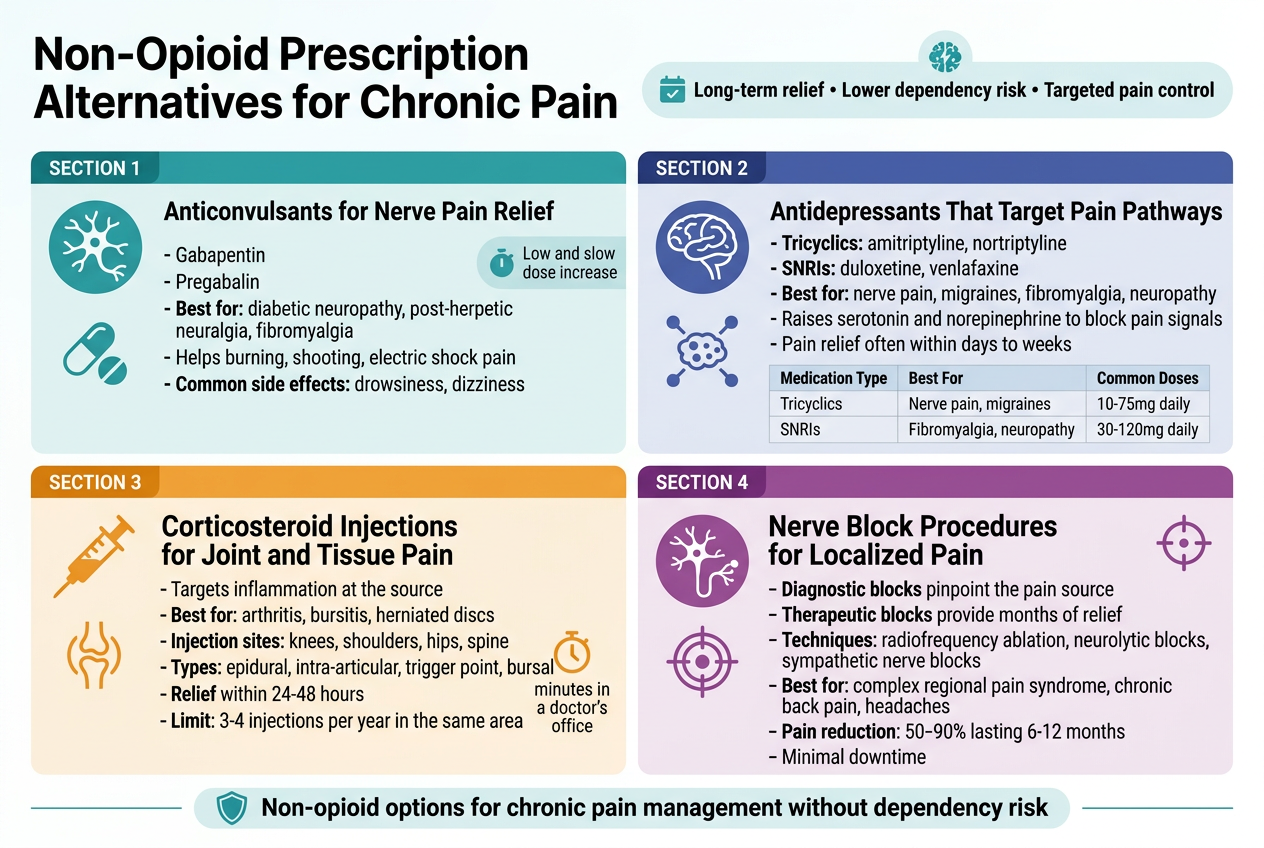
Anticonvulsants for Nerve Pain Relief
Anticonvulsants represent a breakthrough in non-opioid pain medication for adults dealing with nerve-related discomfort. Originally developed to control seizures, these medications excel at calming overactive nerve signals that cause chronic pain. Gabapentin and pregabalin stand out as the most commonly prescribed options, effectively targeting conditions like diabetic neuropathy, post-herpetic neuralgia, and fibromyalgia.
Gabapentin works by blocking calcium channels in nerve cells, reducing the transmission of pain signals to the brain. Patients typically start with low doses that gradually increase until they find relief. Pregabalin offers similar benefits but often requires fewer daily doses, making it more convenient for many people.
These medications prove particularly valuable for burning, shooting, or electric shock-type pain that doesn’t respond well to traditional painkillers. Side effects usually include drowsiness and dizziness initially, but most patients adjust within a few weeks. For chronic pain management, anticonvulsants provide long-term relief without the dependency risks associated with opioids.
Antidepressants That Target Pain Pathways
Certain antidepressants offer powerful pain management alternatives by affecting neurotransmitters involved in pain perception. Tricyclic antidepressants like amitriptyline and nortriptyline have decades of proven success in treating chronic pain conditions, even in patients without depression.
These medications work by increasing levels of serotonin and norepinephrine in the brain and spinal cord, which helps block pain signals. The pain-relieving effects often occur at lower doses than those used for depression, and patients may experience relief within days to weeks.
SNRIs (serotonin-norepinephrine reuptake inhibitors) such as duloxetine and venlafaxine provide another effective option. Duloxetine has FDA approval specifically for diabetic peripheral neuropathy and fibromyalgia, making it a go-to choice for these conditions.
| Medication Type | Best For | Common Doses |
|---|---|---|
| Tricyclics | Nerve pain, migraines | 10-75mg daily |
| SNRIs | Fibromyalgia, neuropathy | 30-120mg daily |
Corticosteroid Injections for Joint and Tissue Pain
Corticosteroid injections deliver powerful anti-inflammatory medication directly to problem areas, providing targeted relief for joint and soft tissue pain. These injections work by reducing inflammation at its source, offering significant pain reduction that can last several months.
Common injection sites include knees, shoulders, hips, and the spine. For conditions like arthritis, bursitis, and herniated discs, these injections can provide dramatic improvement when oral medications fall short. The procedure typically takes just minutes in a doctor’s office, with many patients experiencing relief within 24-48 hours.
Types of corticosteroid injections include:
-
Epidural steroid injections for spinal pain
-
Intra-articular injections for joint pain
-
Trigger point injections for muscle pain
-
Bursal injections for inflamed fluid sacs
While generally safe, these injections have limitations. Most doctors recommend no more than 3-4 injections per year in the same area to prevent tissue damage. Side effects remain minimal when performed correctly, though some patients experience temporary pain flares or elevated blood sugar.
Nerve Block Procedures for Localized Pain
Nerve blocks represent sophisticated prescription pain medication alternatives that interrupt pain signals at specific nerve locations. These procedures range from simple diagnostic blocks to complex therapeutic interventions that can provide months of relief.
Diagnostic nerve blocks help doctors pinpoint exact pain sources using local anesthetics. If the block provides temporary relief, it confirms that particular nerve as the pain generator, guiding long-term treatment decisions.
Therapeutic nerve blocks use various techniques:
-
Radiofrequency ablation destroys nerve fibers causing pain
-
Neurolytic blocks use alcohol or phenol for longer-lasting relief
-
Sympathetic nerve blocks target the sympathetic nervous system
These procedures work exceptionally well for conditions like complex regional pain syndrome, chronic back pain, and certain headache disorders. Recovery typically involves minimal downtime, and many patients return to normal activities within days.
Success rates vary by condition and technique, but many patients experience 50-90% pain reduction lasting 6-12 months. For some individuals, nerve blocks provide the breakthrough they need to engage in physical therapy and other rehabilitation activities that weren’t possible before.
Natural and Alternative Pain Management Options
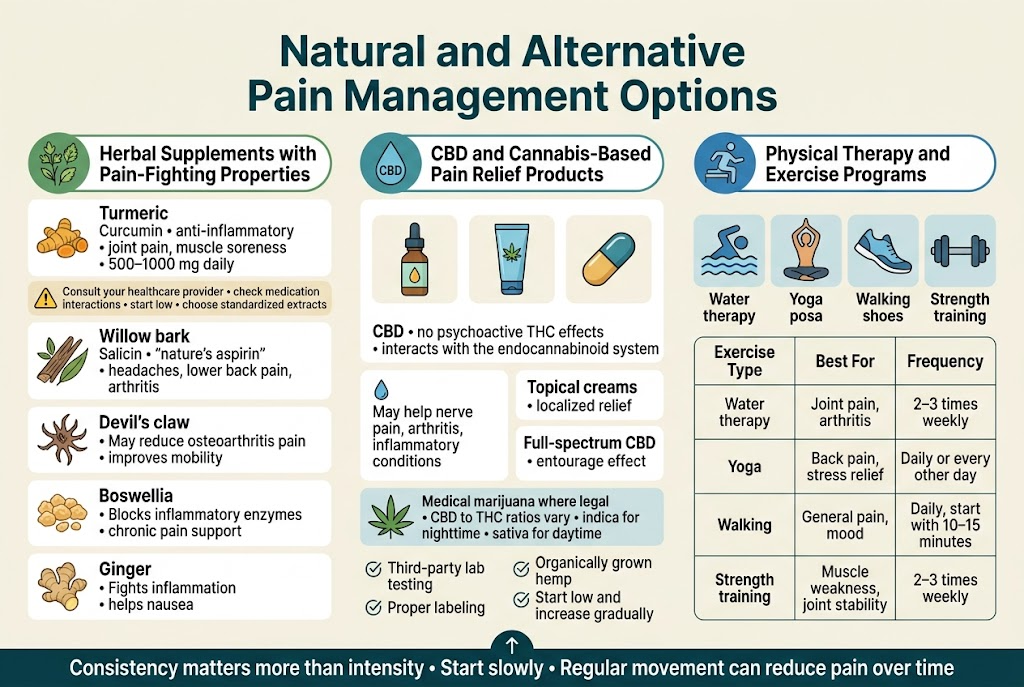
Herbal Supplements with Pain-Fighting Properties
Many people turn to herbal supplements as natural pain relief options when looking for alternatives to traditional medications. Turmeric stands out as one of the most researched options, containing curcumin which has powerful anti-inflammatory properties that can help reduce joint pain and muscle soreness. Studies show that taking 500-1000mg daily may provide relief comparable to some over-the-counter pain medications.
Willow bark, often called “nature’s aspirin,” contains salicin, a compound similar to aspirin’s active ingredient. This herb has been used for centuries to treat headaches, lower back pain, and arthritis. Devil’s claw, native to Africa, shows promise for reducing osteoarthritis pain and improving mobility in clinical trials.
Boswellia, also known as Indian frankincense, can help manage chronic pain conditions by blocking inflammatory enzymes. Ginger offers dual benefits – it fights inflammation while also helping with nausea that sometimes accompanies pain medications.
Always consult your healthcare provider before starting any herbal supplements, especially if you’re taking other medications. Some herbs can interact with prescription drugs or have side effects. Start with lower doses to assess your body’s response, and choose standardized extracts from reputable manufacturers for consistent potency.
CBD and Cannabis-Based Pain Relief Products
CBD products have gained significant attention for chronic pain management without the psychoactive effects of THC. These products work by interacting with your body’s endocannabinoid system, which helps regulate pain signals. CBD oils, topical creams, and capsules offer different delivery methods depending on your specific needs and preferences.
Research suggests CBD may be particularly effective for nerve pain, arthritis, and inflammatory conditions. Topical CBD creams can provide localized relief for sore muscles and joints without entering your bloodstream. Full-spectrum CBD products contain small amounts of other cannabinoids that may enhance pain relief through what’s called the “entourage effect.”
Medical marijuana, where legal, offers additional options including THC-dominant strains that may help with severe pain conditions. Different ratios of CBD to THC provide varying levels of pain relief and psychoactive effects. Indica strains typically offer more sedating effects helpful for nighttime pain, while sativa strains may provide daytime relief without drowsiness.
Quality varies significantly among CBD products since the industry lacks strict regulation. Look for third-party lab testing, proper labeling of cannabinoid content, and products made from organically grown hemp. Start with low doses and gradually increase until you find effective relief.
Physical Therapy and Exercise Programs
Physical therapy represents one of the most effective pain management alternatives, especially for musculoskeletal conditions. A licensed physical therapist can design personalized exercise programs that address your specific pain patterns while strengthening supporting muscles and improving flexibility. This approach treats the root cause rather than just masking symptoms.
Low-impact exercises like swimming, walking, and cycling can reduce pain while maintaining cardiovascular health. Water therapy provides excellent pain relief because buoyancy reduces stress on joints while water resistance helps build strength. Yoga and tai chi combine gentle movement with mindfulness, offering both physical and mental benefits for chronic pain sufferers.
Strength training, when done properly, helps stabilize joints and prevent future injuries. Focus on proper form rather than heavy weights, and work with a qualified trainer who understands pain conditions. Stretching programs improve flexibility and reduce muscle tension that often contributes to pain.
| Exercise Type | Best For | Frequency |
|---|---|---|
| Water therapy | Joint pain, arthritis | 2-3 times weekly |
| Yoga | Back pain, stress relief | Daily or every other day |
| Walking | General pain, mood | Daily, start with 10-15 minutes |
| Strength training | Muscle weakness, joint stability | 2-3 times weekly |
Consistency matters more than intensity. Start slowly and gradually increase activity levels as your pain tolerance improves. Many people find that regular movement actually reduces their overall pain levels over time.
Choosing the Right Pain Medication for Your Condition
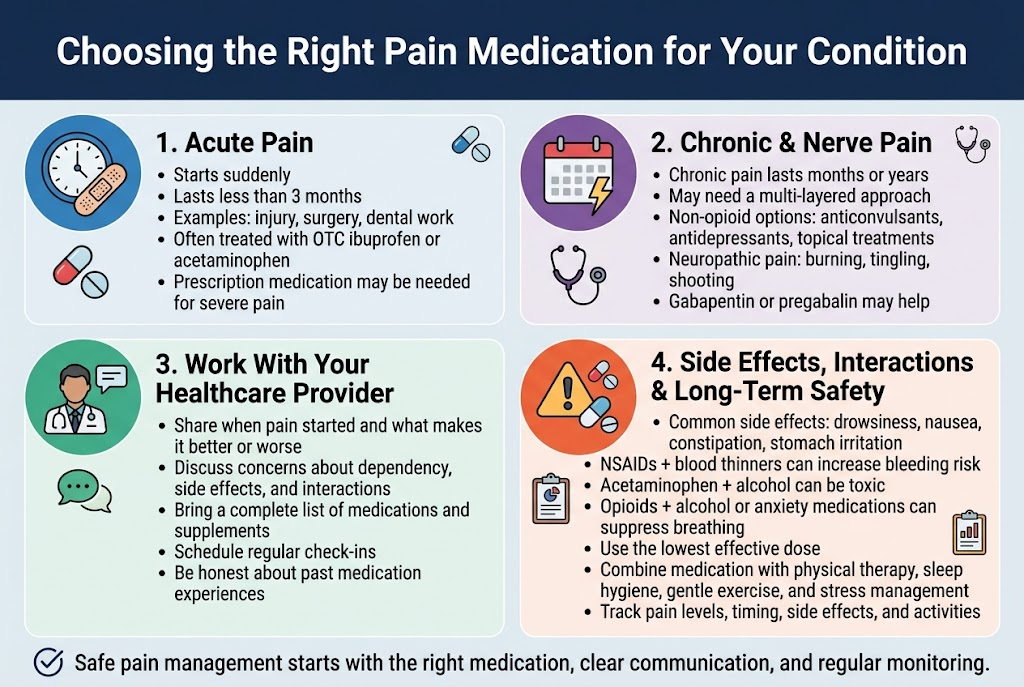
Understanding Pain Types and Appropriate Treatments
Different types of pain require different approaches, and understanding what you’re dealing with makes all the difference in finding relief. Acute pain comes on suddenly and typically lasts less than three months – think injuries, surgery recovery, or dental work. For these situations, over the counter pain relief like ibuprofen or acetaminophen often does the trick, while prescription pain medication might be needed for more severe cases.
Chronic pain sticks around for months or years and presents unique challenges. This persistent discomfort affects millions of adults and often needs a multi-layered approach. Non-opioid pain medication options like anticonvulsants, antidepressants, or topical treatments frequently work better for chronic conditions than traditional painkillers.
Neuropathic pain feels different – burning, tingling, or shooting sensations that come from nerve damage. Standard painkillers barely touch this type of discomfort, but medications like gabapentin or pregabalin can provide significant relief.
Inflammatory pain responds well to NSAIDs, while muscle-related pain might need muscle relaxants combined with other treatments. The key is matching your specific pain type with the right medication category.
Working with Healthcare Providers for Optimal Results
Your doctor brings medical expertise that’s essential for safe and effective pain management. Share detailed information about your pain – when it started, what makes it better or worse, and how it affects your daily life. This information helps your provider recommend the most appropriate pain medication for adults in your situation.
Don’t hesitate to discuss your concerns about different treatments. If you’re worried about dependency, side effects, or interactions with other medications, speak up. Your healthcare provider can explain the risks and benefits of various options, from prescription vs OTC pain meds to natural alternatives.
Regular check-ins are crucial, especially when starting new medications. Your provider needs to know how you’re responding to treatment and whether adjustments are needed. Some people metabolize medications differently, so what works for others might not work for you.
Be honest about other medications, supplements, or substances you use. Your provider can’t keep you safe if they don’t have the complete picture. This includes discussing any previous experiences with pain medications that worked well or caused problems.
Managing Side Effects and Drug Interactions
Every pain medication comes with potential side effects, and knowing what to expect helps you use them safely. Common side effects include drowsiness, nausea, constipation, or stomach irritation. Some effects are temporary as your body adjusts, while others might require switching medications.
Drug interactions can be dangerous and sometimes deadly. NSAIDs can increase bleeding risk when combined with blood thinners. Acetaminophen becomes toxic when mixed with alcohol. Opioids can cause respiratory depression when combined with certain anxiety medications or alcohol.
Keep an updated list of all medications, including over-the-counter drugs and supplements. Many people forget that natural doesn’t always mean safe – even natural pain relief options can interact with prescription medications.
Monitor yourself for unusual symptoms and report them promptly. Severe allergic reactions, changes in mood or cognition, or unexpected physical symptoms need immediate attention. Trust your instincts – you know your body better than anyone.
Creating Safe Long-Term Pain Management Plans
Chronic pain management requires a sustainable approach that protects your health while maintaining quality of life. Relying solely on medication often leads to tolerance, requiring higher doses for the same effect. A comprehensive plan typically includes multiple strategies.
Start with the lowest effective dose and use medications as prescribed. Don’t save pills for “bad days” or take extra when pain flares up without consulting your provider. These habits can lead to dangerous situations and reduced effectiveness over time.
Build non-medication strategies into your routine. Physical therapy, stress management, sleep hygiene, and gentle exercise often reduce the amount of medication needed. Many people find that combining small amounts of medication with these approaches works better than relying on pills alone.
Plan for medication breaks when possible. Some chronic pain medications work better when used intermittently rather than continuously. Your provider can help you determine if this approach makes sense for your situation.
Keep detailed records of what works and what doesn’t. Track pain levels, medication timing, side effects, and activities that help or hurt. This information becomes invaluable for adjusting your treatment plan over time and helps your healthcare team make informed decisions about your care.
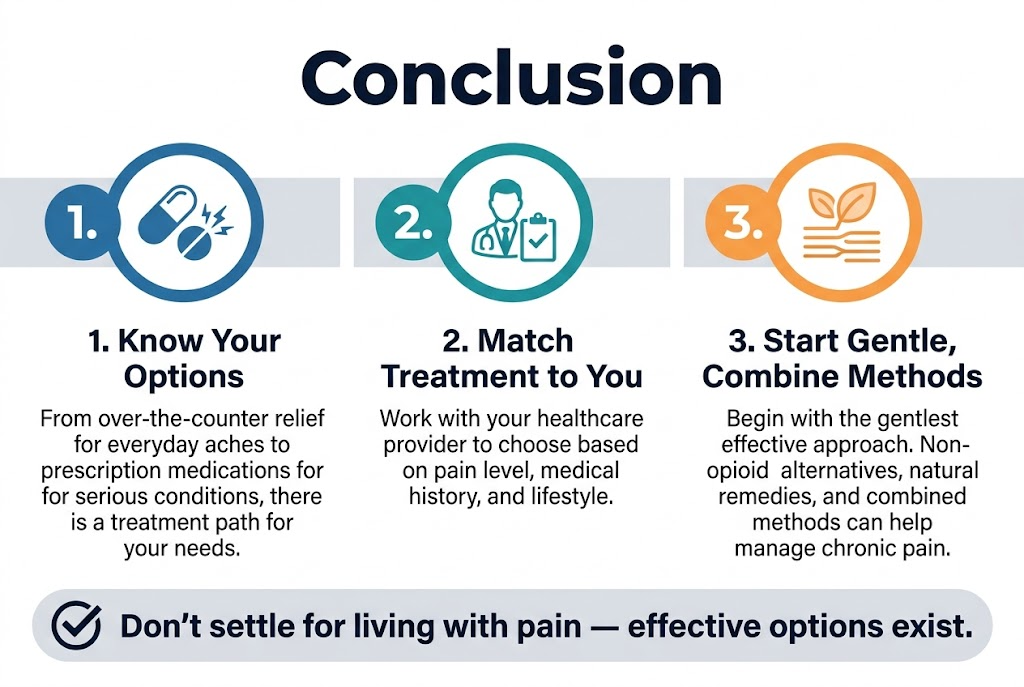
Finding the right pain relief doesn’t have to be overwhelming when you know your options. From simple over-the-counter solutions for everyday aches to stronger prescription medications for serious conditions, there’s a treatment path that can work for your specific situation. Non-opioid alternatives and natural remedies offer additional choices for those dealing with chronic pain or looking to avoid certain medications.
The key is working with your healthcare provider to match the right treatment to your pain level, medical history, and lifestyle. Don’t settle for living with pain when so many effective options exist. Start with the gentlest approach that provides relief, and remember that combining different methods often works better than relying on just one solution.