Understanding Ritalin vs Adderall for ADHD in Adults Treatment
Adults struggling with ADHD symptoms face a crucial decision when their doctor recommends medication: Ritalin vs Adderall. These two stimulant medications dominate adult ADHD treatment, but they work differently in your brain and can produce very different results for different people.
This guide is for adults with ADHD, their family members, and anyone researching ADHD medication options. We’ll break down the science without the medical jargon so you can have informed conversations with your healthcare provider.
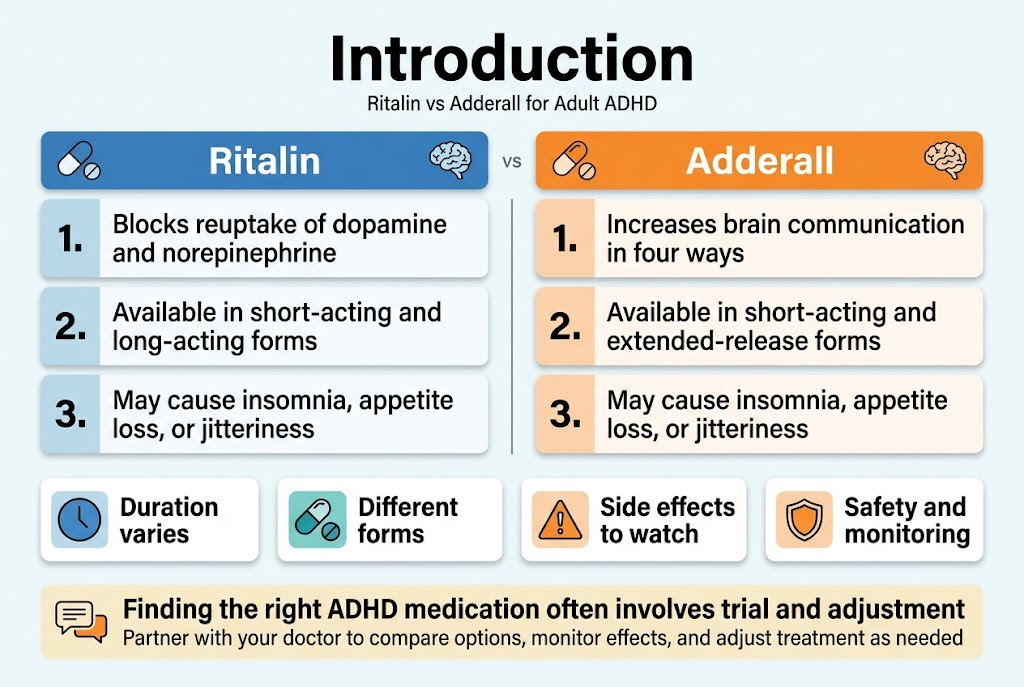
We’ll explore how Ritalin and Adderall work differently in your brain – Ritalin blocks certain chemical messengers from retreating, while Adderall takes a four-pronged approach to boost brain communication. You’ll also learn about the practical differences that matter in daily life, like dosage forms, how long each medication lasts, and what side effects to expect. Finally, we’ll tackle the big questions around safety, including addiction concerns and long-term monitoring needs that every adult should understand before starting treatment.
Finding the right ADHD medication often involves trial and adjustment, but knowing what to expect from each option helps you partner more effectively with your doctor in this process.
Understanding ADHD and Its Impact on Daily Life
What ADHD Is and How It Affects Executive Function
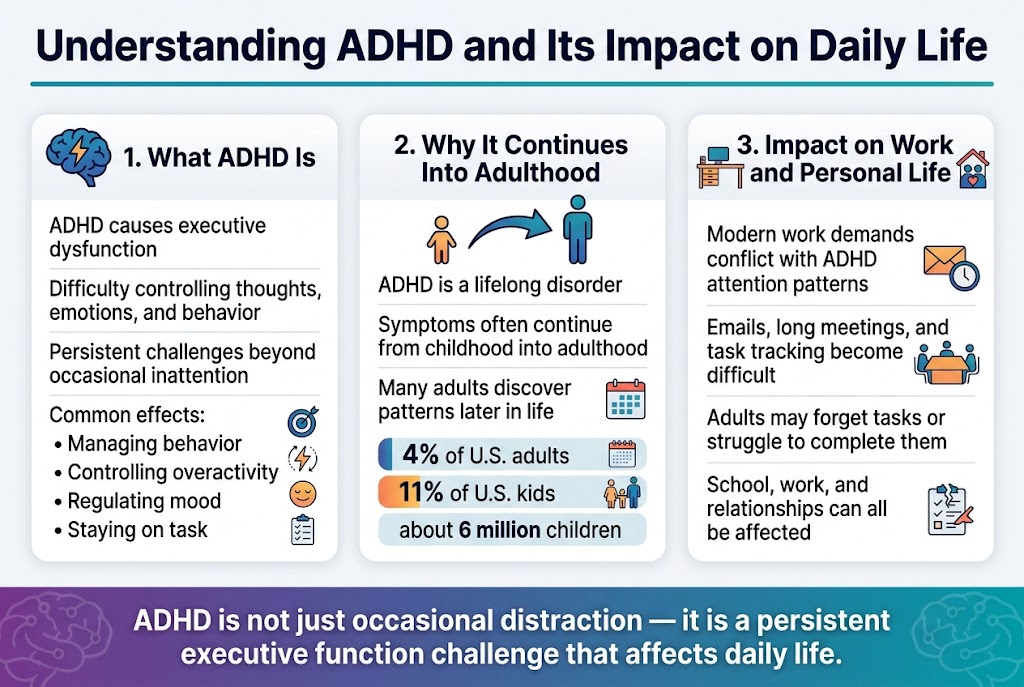
ADHD causes executive dysfunction, fundamentally affecting a person’s ability to control thoughts, emotions, and behavior. This neurological condition creates persistent challenges that extend far beyond occasional lapses in concentration. People with ADHD often find it difficult to manage behavior, control overactivity, regulate mood, and stay on task – difficulties that form the core of adult ADHD symptoms.
Unlike typical difficulties with focus that come and go throughout the day, ADHD impulses are almost always present and disrupt daily life in consistent, predictable ways. The executive dysfunction associated with ADHD impacts critical cognitive processes including working memory, cognitive flexibility, and inhibitory control, making it challenging to navigate both professional and personal responsibilities effectively.
Why ADHD Symptoms Persist from Childhood into Adulthood
ADHD is a lifelong disorder, with symptoms often continuing from childhood into adulthood. Many adults discover they have been living with ADHD when they begin recognizing persistent patterns that have affected their entire lives. The U.S. CDC estimates that over 4% of U.S. adults are living with ADHD, alongside approximately 6 million children (11% of U.S. kids), highlighting the condition’s prevalence across age groups.
The transition from childhood to adulthood doesn’t eliminate ADHD symptoms; instead, they often evolve and manifest differently as responsibilities and environments change. Many adults realize they have adult ADHD symptoms later in life when they struggle with workplace demands or relationship challenges that require sustained attention and executive function.
How ADHD Disrupts Modern Work and Personal Life
While hyper-awareness may have been evolutionarily beneficial in early humans, it causes serious disruptions in modern life. Kids with ADHD can be easily distracted and struggle to concentrate in school, but these challenges become even more complex in adult environments.
Adults with ADHD may find it difficult to complete tasks at work and in personal lives or remember what they are supposed to be doing. The structured, focused attention required in modern workplaces – from managing emails to attending lengthy meetings – directly conflicts with the ADHD brain’s natural patterns of attention and hyperactivity. This mismatch between evolutionary traits and contemporary demands creates ongoing challenges that often require targeted ADHD treatment options to manage effectively.
How Ritalin and Adderall Work Differently in Your Brain
Ritalin’s Mechanism: Blocking Neurotransmitter Reuptake
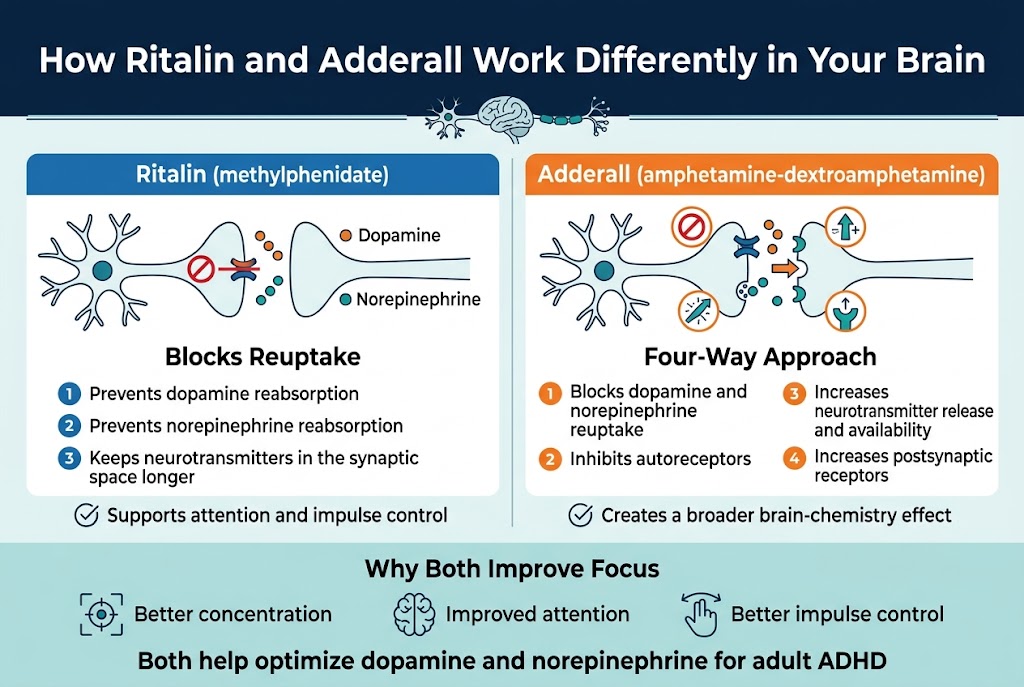
Ritalin’s active ingredient, methylphenidate, operates through a targeted mechanism that specifically blocks the reuptake of two essential neurotransmitters: dopamine and norepinephrine (noradrenaline). These neurotransmitters play crucial roles in attention regulation and impulse control, making them fundamental to managing ADHD symptoms in adults.
The reuptake blocking process works by preventing these neurotransmitters from being reabsorbed too quickly by the sending neurons. By maintaining higher concentrations of dopamine and norepinephrine in the synaptic space, Ritalin ensures these chemical messengers continue to move forward between synapses effectively. This sustained activity helps improve concentration and provides better management of impulsive actions that characterize adult ADHD.
Adderall’s Four-Way Approach to Brain Chemistry
Adderall takes a more comprehensive approach to brain chemistry modification compared to other ADHD medications. As a mix of amphetamine salts (amphetamine-dextroamphetamine), Adderall works through four distinct mechanisms simultaneously.
First, similar to Ritalin, Adderall prevents the reuptake of dopamine and norepinephrine. However, it goes beyond this basic function by inhibiting autoreceptors, which allows for increased release of these neurotransmitters. Additionally, Adderall spurs the overall availability of neurotransmitters in the brain and increases postsynaptic receptors to ease message reception between neurons. This multi-faceted approach creates a more robust alteration in brain chemistry, potentially offering different therapeutic benefits for adult ADHD treatment.
Why Both Medications Improve Focus and Attention
Both Ritalin and Adderall function as stimulant medications that help control levels of dopamine and norepinephrine in the brain, directly addressing the neurochemical imbalances associated with ADHD. These medications enhance the brain’s ability to relay messages more effectively, leading to significantly better concentration and improved control over impulsive actions.
The shared benefit of both medications lies in their ability to help manage ADHD symptoms while enhancing the capacity to pay attention, think clearly, and engage meaningfully in tasks. Whether through Ritalin’s focused reuptake blocking or Adderall’s comprehensive four-way approach, both medications ultimately achieve the same goal: optimizing neurotransmitter function to support better cognitive performance and behavioral control in adults with ADHD.
Comparing Dosage Forms and Effectiveness Duration
Available Dosage Options for Each Medication
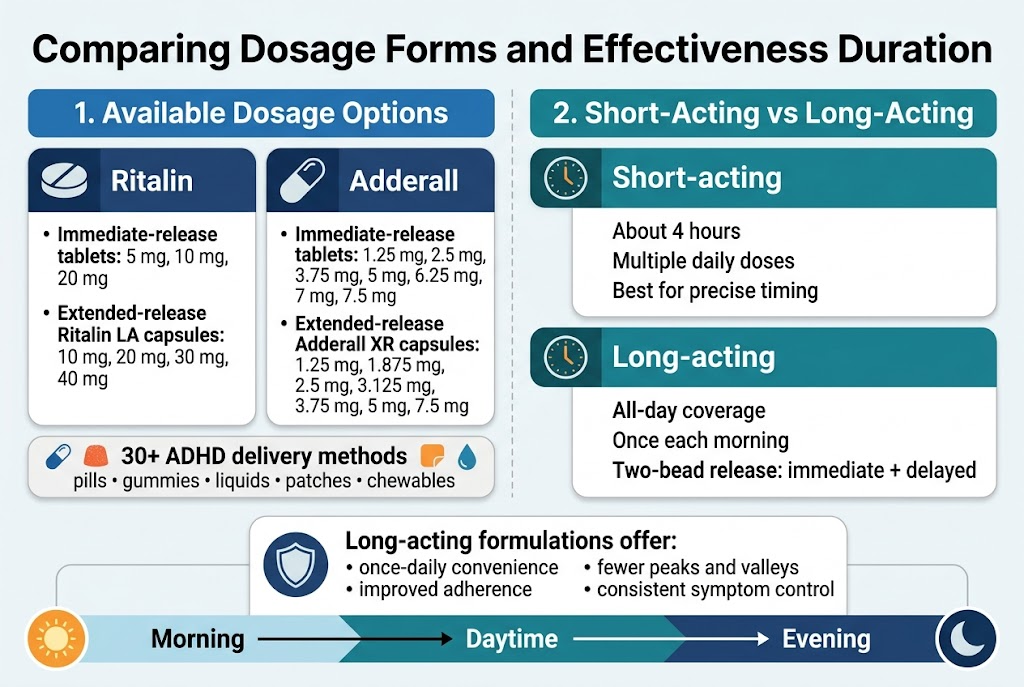
When considering Ritalin vs Adderall for adult ADHD treatment, understanding the available dosage options is crucial for finding the right fit. Ritalin comes in immediate-release tablets available in 5, 10, and 20 mg strengths, providing flexibility for precise dosing adjustments. For extended-release options, Ritalin LA capsules are available in 10, 20, 30, and 40 mg formulations.
Adderall offers a different dosing spectrum with immediate-release tablets in smaller incremental doses: 1.25, 2.5, 3.75, 5, 6.25, 7, and 7.5 mg. The extended-release Adderall XR capsules maintain similar dosing options with 1.25, 1.875, 2.5, 3.125, 3.75, 5, and 7.5 mg strengths. This wider range of lower-dose options with Adderall can be particularly beneficial for adults who require more precise titration or are sensitive to stimulant medications.
Beyond traditional tablets and capsules, the ADHD medication landscape has expanded significantly. There are now over 30 different delivery methods available for ADHD medications, including pills, gummies, liquids, patches, and chewables, offering additional flexibility for patients who may have difficulty with standard formulations.
Short-Acting vs Long-Acting Formulations
Both Ritalin and Adderall are available in short-acting and long-acting formulations, each serving different lifestyle and treatment needs. Short-acting forms of these ADHD medications typically last about four hours, requiring multiple daily doses to maintain therapeutic effects throughout the day. This can be beneficial for adults who need precise control over their medication timing or prefer to have medication effects wear off by evening.
Long-acting formulations represent a significant advancement in ADHD treatment convenience. These extended-release versions are designed to be taken once in the morning and provide symptom control that lasts all day. The technology behind some long-acting capsules is particularly sophisticated, containing two distinct types of beads: one designed for immediate release upon ingestion, and another engineered for delayed release into the system hours later.
Dr. David Beckmann notes that long-acting stimulants offer several key benefits over their short-acting counterparts. The convenience factor cannot be overstated – taking medication once daily significantly improves adherence compared to multiple daily doses. Additionally, long-acting formulations tend to produce fewer side effects due to their more gradual onset and decline, preventing the peaks and valleys often associated with immediate-release medications.
How Long Each Medication Remains Effective
The duration of effectiveness varies significantly between formulations and represents a critical factor in ADHD medication comparison. Short-acting versions of both Ritalin and Adderall maintain therapeutic effectiveness for approximately four hours. This shorter duration requires careful timing and multiple doses throughout the day to ensure continuous symptom management for adults managing work, family, and social responsibilities.
Long-acting formulations fundamentally change the treatment experience by extending effectiveness throughout the entire day. These extended-release versions are specifically engineered to provide consistent symptom control from morning until evening with a single dose. The sustained release mechanism ensures that medication levels remain therapeutic without the need for redosing during work or school hours.
The effectiveness duration of long-acting formulations makes them particularly suitable for adults with demanding schedules who cannot interrupt their day for additional doses. This extended coverage also helps maintain consistent focus and attention throughout professional and personal activities, reducing the risk of breakthrough symptoms that can occur with short-acting medications as they wear off.
Side Effects and Safety Considerations You Should Know
Common Side Effects Shared by Both Medications
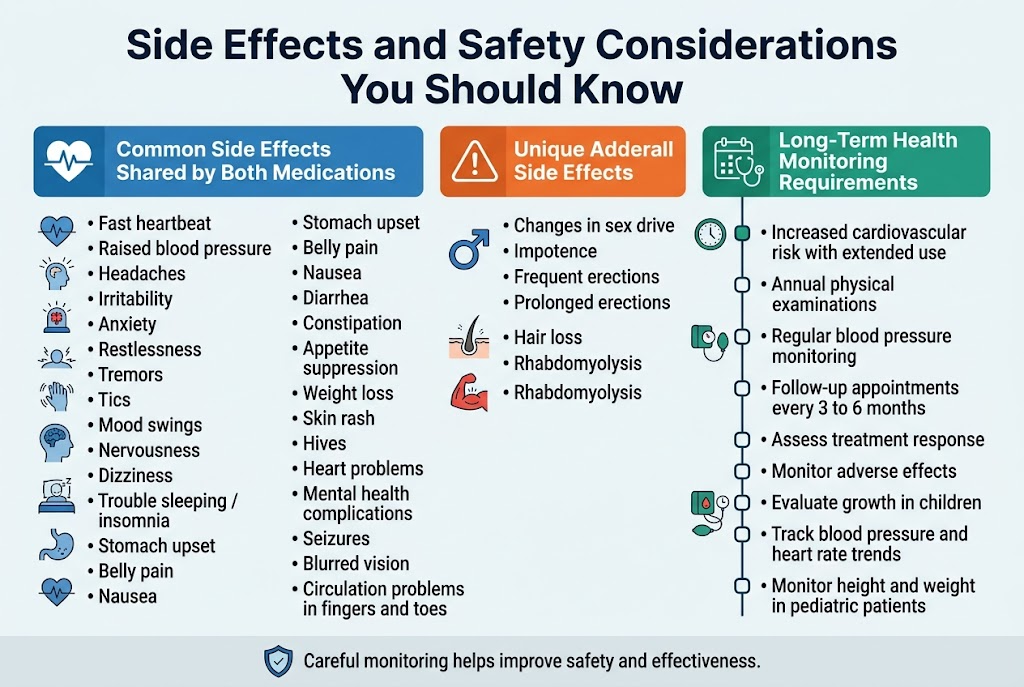
Both Ritalin and Adderall share an extensive list of potential side effects that adults should be aware of when considering stimulant medications for ADHD treatment. The most frequently reported shared side effects include cardiovascular symptoms such as fast heartbeat and raised blood pressure, which require careful monitoring throughout treatment.
Neurological and psychological effects commonly experienced with both medications include headaches, irritability, anxiety, restlessness, tremors, tics, mood swings, nervousness, dizziness, and trouble sleeping or insomnia. These symptoms often emerge during the initial adjustment period but may persist in some individuals.
Gastrointestinal disturbances represent another significant category of shared side effects, encompassing stomach upset, belly pain, nausea, diarrhea, and constipation. Additionally, both Ritalin vs Adderall commonly cause appetite suppression leading to weight loss, which requires ongoing monitoring in adult ADHD treatment.
Dermatological reactions such as skin rash and hives may also occur with either medication. Both stimulant medications carry important warnings regarding potential heart problems, mental health complications, seizures, blurred vision, and circulation problems affecting fingers and toes.
Unique Side Effects Specific to Each Drug
While the majority of side effects overlap between these stimulant medications for ADHD, Adderall presents some unique considerations that distinguish it from methylphenidate-based treatments like Ritalin. Men taking Adderall may experience specific sexual side effects including changes in sex drive, impotence, frequent erections, or prolonged erections that require immediate medical attention.
Additional Adderall-specific concerns include potential hair loss and rhabdomyolysis, a serious condition involving dangerous muscle breakdown that can lead to kidney damage. These unique Adderall side effects underscore the importance of individualized medication selection and monitoring in adult ADHD treatment plans.
Long-Term Health Monitoring Requirements
Long-term use of stimulant medications necessitates comprehensive health monitoring to ensure patient safety and medication effectiveness. Recent studies have identified increased cardiovascular risks associated with extended stimulant use, including elevated blood pressure and heart rate that require ongoing surveillance.
Adults receiving either medication should undergo annual physical examinations with particular attention to cardiovascular health. Regular blood pressure monitoring becomes essential given the documented risks of hypertension with long-term stimulant use. For pediatric patients, additional monitoring of height and weight measurements is crucial to track potential growth suppression.
Healthcare providers typically schedule follow-up appointments every three to six months to comprehensively assess treatment response, monitor for adverse effects, evaluate growth parameters in children, and track blood pressure and heart rate trends. This systematic monitoring approach helps ensure the continued safety and efficacy of ADHD medication comparison strategies while minimizing potential long-term health complications.
Determining Which Medication Works Best for You
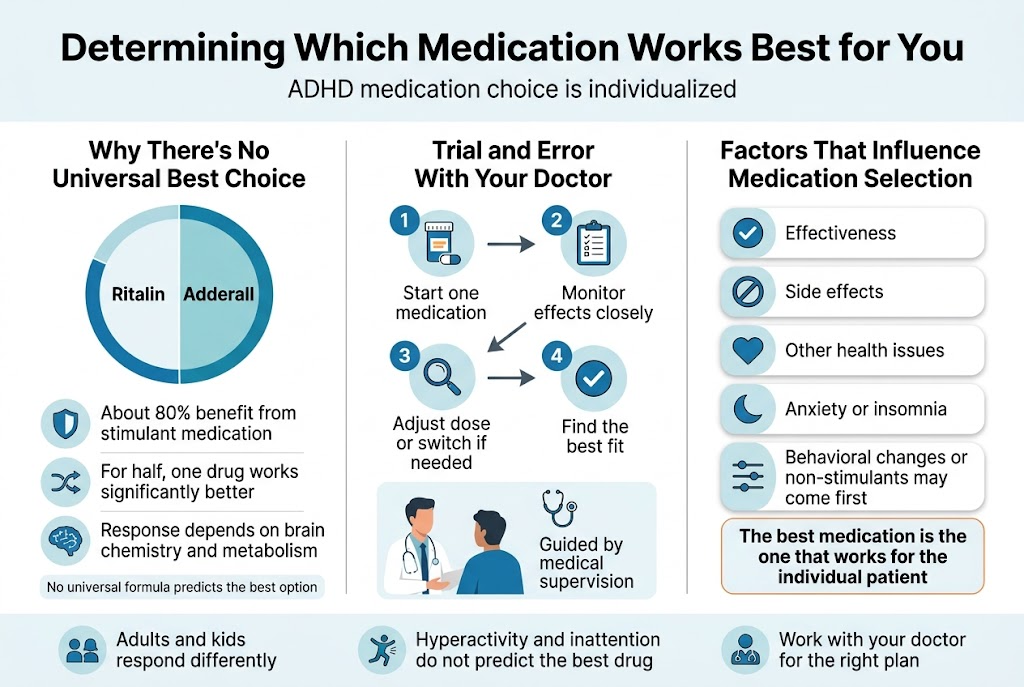
Why There’s No Universal Best Choice
Research has consistently shown that about 80% of individuals with ADHD benefit from stimulant medication, yet for half of these patients, one drug works significantly better than the other. This variance stems from the differing mechanisms and side effects between Ritalin vs Adderall, making ADHD medication comparison a highly individualized process.
As Dr. Michael Manos emphasizes, the true usefulness of any ADHD medication depends entirely on whether it works for the individual patient. Despite extensive research, no universal formula exists to determine which medication will be most effective for any given person. Studies have failed to definitively show which medication is superior for specific demographics, whether comparing kids versus adults, or for targeting particular symptom patterns like hyperactivity versus inattention.
This lack of predictability in adult ADHD treatment means that choosing between methylphenidate vs amphetamine-based medications cannot be determined by simple demographic factors or symptom presentations alone. Each person’s unique brain chemistry, metabolism, and response patterns play crucial roles in determining which stimulant medications for ADHD will provide optimal results.
The Trial and Error Process with Your Doctor
Finding the right ADHD medication effectiveness requires a systematic trial-and-error approach guided by medical supervision. Dr. Jennifer Spence explains that choosing the right medication is fundamentally a personal decision that must be carefully managed by a healthcare provider who understands the complexities of adult ADHD symptoms.
The process typically begins with your doctor starting you on one medication while closely monitoring its effects. If the initial medication proves ineffective or causes intolerable side effects, your doctor can switch to another drug or adjust the dosage accordingly. This methodical approach ensures that you receive the most appropriate treatment while minimizing potential adverse effects.
Dr. David Beckmann emphasizes the importance of discussing specific symptoms and concerns with your doctor to determine the most suitable treatment path. He notes that establishing a confident ADHD diagnosis requires extensive information gathering, which forms the foundation for making informed medication decisions.
Factors That Influence Medication Selection
Several critical factors guide doctors in determining the most appropriate ADHD treatment options for each patient. Medication effectiveness serves as the primary consideration, but it’s evaluated alongside the patient’s ability to tolerate side effects and manage other concurrent health issues such as anxiety or insomnia.
Your doctor will assess how well each medication addresses your specific adult ADHD symptoms while considering your overall health profile. The presence of co-existing conditions significantly influences treatment decisions, as certain medications may exacerbate anxiety or sleep disorders while others might provide complementary benefits.
In some cases, the careful evaluation of risks and benefits might favor starting with non-stimulant medications or implementing behavioral changes before considering stimulants like Adderall or Ritalin. This comprehensive approach ensures that your treatment plan addresses not only your ADHD symptoms but also your overall health and wellbeing, creating a foundation for long-term treatment success.
Addressing Addiction Concerns and Misuse Risks
Understanding Controlled Substance Classification
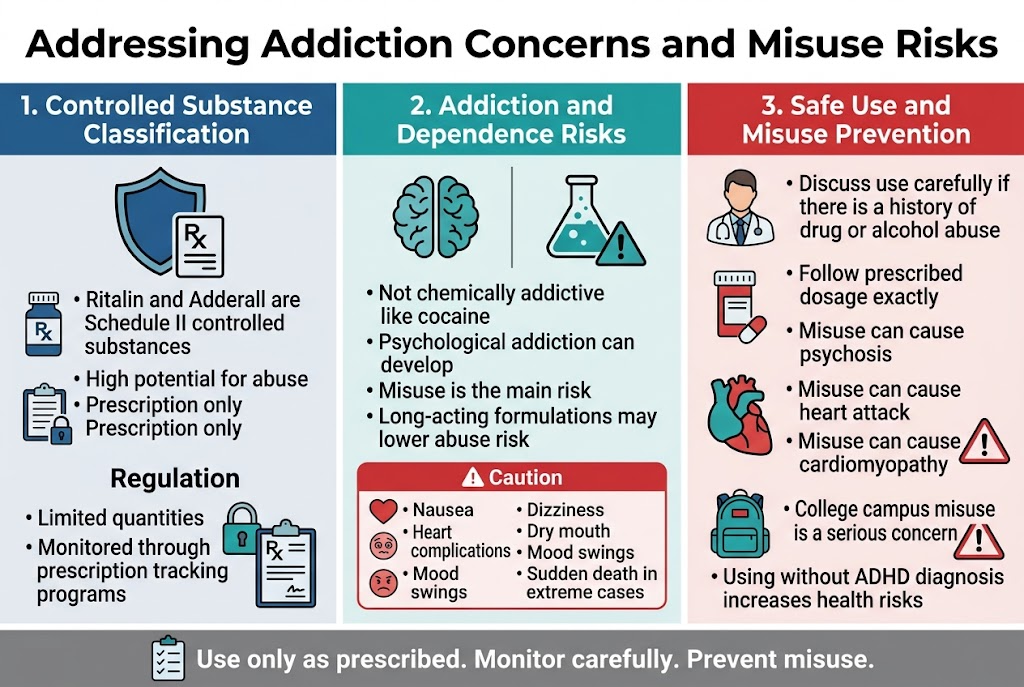
Both Ritalin vs Adderall fall under the FDA’s Schedule II controlled substances classification, placing them in the category of medications with high potential for abuse. This classification means these ADHD medications are heavily regulated and available only by prescription. Healthcare providers typically prescribe them in limited quantities and must track their distribution through state prescription monitoring programs to manage potential abuse risks.
The Schedule II designation reflects the serious nature of these stimulant medications for ADHD and their potential for misuse. This regulatory framework exists specifically to prevent unauthorized access while ensuring patients with legitimate medical needs can receive proper adult ADHD treatment.
Psychological vs Chemical Dependency Risks
While Ritalin and Adderall carry significant abuse potential, it’s important to understand that they are not chemically addictive in the same manner as substances like cocaine. However, individuals can develop psychological addiction due to the appealing effects these medications produce, such as improved focus and enhanced productivity.
When used as prescribed for diagnosed individuals, these medications have not been proven addictive. The concern arises primarily with misuse scenarios. Taking Adderall or Ritalin without ADHD is particularly dangerous and can lead to psychological addiction alongside serious health risks including nausea, heart complications, dizziness, dry mouth, mood swings, and in extreme cases, sudden death.
The risk of dependence may be lower with long-acting formulations of these drugs, as they are specifically designed for slow release, reducing the potential for abuse patterns associated with immediate-release versions.
Safe Usage Guidelines to Prevent Abuse
Proper medication management is crucial for preventing abuse of these powerful stimulants. Individuals with a history of drug or alcohol abuse should have thorough discussions with their healthcare providers before beginning stimulant medications, as this population faces elevated risks.
Misuse of prescription ADHD medications carries severe consequences, including psychosis, heart attack, cardiomyopathy (heart enlargement), and sudden death. These serious effects underscore the importance of following prescribed dosages and usage instructions precisely.
The concern about misuse is particularly significant on college campuses, where these medications are sometimes used inappropriately by students without ADHD diagnoses seeking academic performance enhancement. Such misuse bypasses the careful medical supervision necessary for safe use and dramatically increases health risks.
Cost Considerations and Insurance Coverage
Brand Name vs Generic Pricing Differences
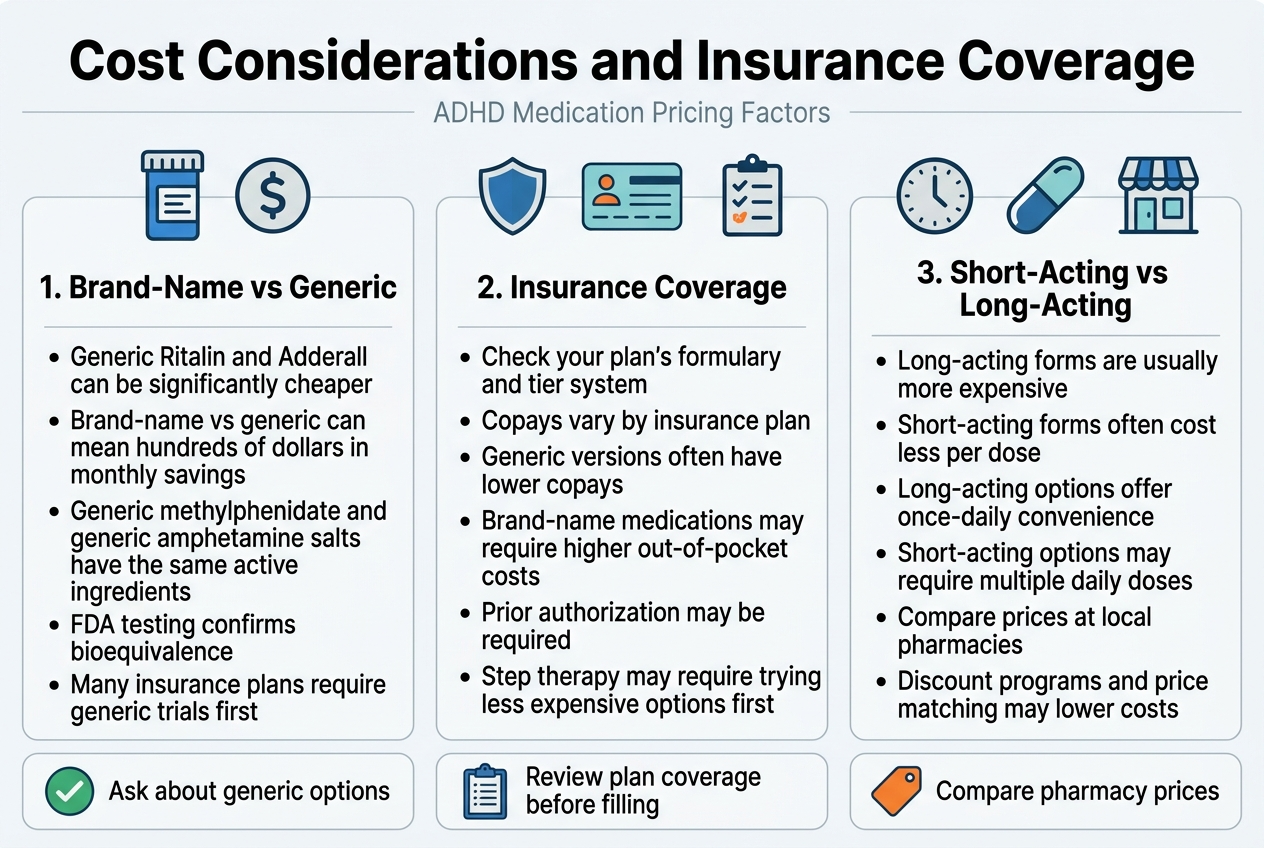
When considering ADHD medication costs, the distinction between brand-name and generic versions represents one of the most significant factors affecting your medication expenses. Generic versions of Ritalin and Adderall can be significantly cheaper than their brand-name counterparts, often providing substantial savings for patients managing adult ADHD treatment long-term.
The cost difference between brand-name and generic formulations can be dramatic, sometimes representing hundreds of dollars in monthly savings. Generic methylphenidate (Ritalin’s generic form) and generic amphetamine salts (Adderall’s generic equivalent) contain the same active ingredients and undergo rigorous FDA testing to ensure bioequivalence with their brand-name versions.
For patients comparing Ritalin vs Adderall from a financial perspective, exploring generic options should be a priority discussion with your healthcare provider. Many insurance plans actually require patients to try generic versions first before approving coverage for brand-name medications, making this consideration even more crucial for treatment planning.
How Insurance Plans Affect Your Medication Costs
Insurance coverage plays a pivotal role in determining your out-of-pocket expenses for ADHD medications. Patients should check with their insurance plan for coverage details, as medication prices can vary widely depending on your specific plan’s formulary and tier system.
Different insurance plans categorize stimulant medications for ADHD differently, which directly impacts your copay amounts. Some plans may cover generic versions with minimal copays while requiring significant out-of-pocket expenses for brand-name alternatives. Prior authorization requirements are also common, meaning your doctor may need to provide additional documentation justifying the medical necessity of a specific medication.
To optimize your medication costs, it’s essential to understand your plan’s preferred drug list and any step therapy requirements. Some insurers require patients to try less expensive options before approving coverage for higher-tier medications, which can influence the choice between different ADHD treatment options.
Comparing Short-Acting and Long-Acting Cost Variations
The duration of action significantly impacts medication pricing, with important implications for your treatment budget. Generally, the longer-acting forms of both Ritalin and Adderall are more expensive than their shorter-acting formulations, reflecting the advanced pharmaceutical technology required for extended-release mechanisms.
Short-acting versions typically require multiple daily doses but often come with lower per-dose costs. In contrast, long-acting formulations provide convenience with once-daily dosing but command premium pricing. When evaluating ADHD medication effectiveness alongside cost considerations, patients must weigh the convenience and compliance benefits of extended-release formulations against their higher expense.
For budget-conscious patients, comparing prices at local pharmacies is crucial, as medication prices can vary widely between different pharmacy chains and independent retailers. Some pharmacies offer discount programs or price-matching policies that can help reduce costs regardless of whether you choose short-acting or long-acting formulations for your adult ADHD treatment plan.
Alternative Treatment Options Beyond Stimulants
Non-Stimulant Prescription Medications
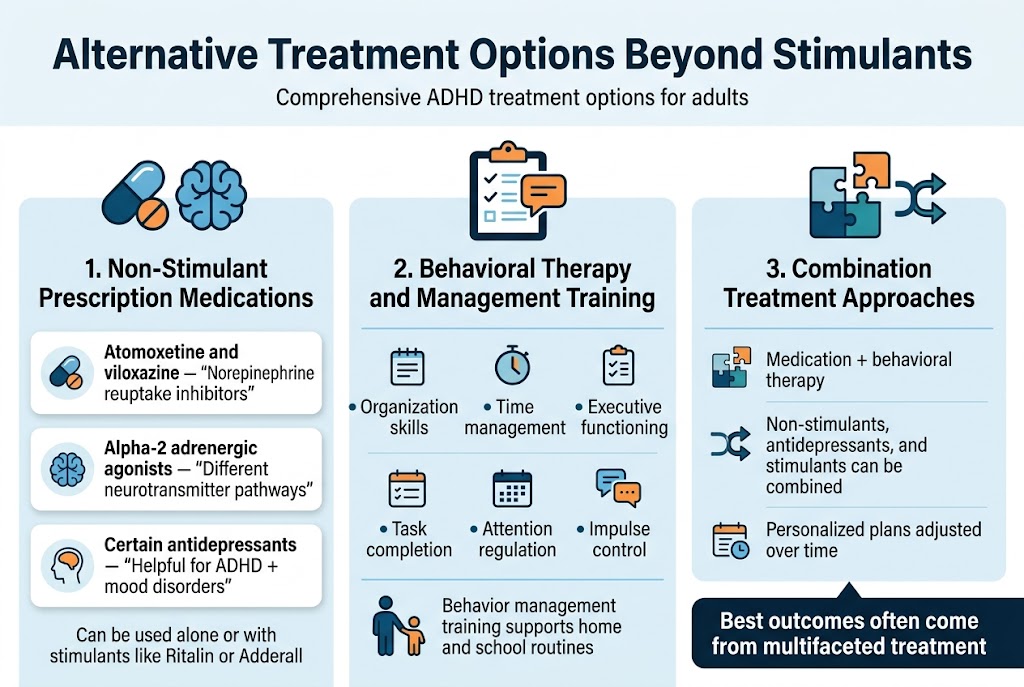
While stimulant medications like Ritalin and Adderall are often first-line ADHD treatment options, non-stimulant prescription medications provide valuable alternatives for adults who may not respond well to stimulants or experience significant side effects. These medications work through different mechanisms in the brain and offer unique benefits for managing ADHD symptoms.
Atomoxetine and viloxazine are two prominent non-stimulant options that function as norepinephrine reuptake inhibitors. These medications work by increasing the availability of norepinephrine in the brain, which helps improve attention and reduce hyperactivity without the stimulant effects associated with methylphenidate or amphetamine-based medications.
Alpha-2 adrenergic agonists represent another category of non-stimulant medications that can effectively manage ADHD symptoms. These medications work by affecting different neurotransmitter pathways than traditional stimulants, making them suitable for individuals who cannot tolerate stimulant medications.
Additionally, certain antidepressants have proven effective for specific individuals with ADHD. These medications can address both ADHD symptoms and co-occurring mood disorders, providing a comprehensive approach to treatment for adults who experience both conditions simultaneously.
The advantage of non-stimulant medications lies in their flexibility for use as standalone treatments or in combination with stimulants like Ritalin or Adderall, allowing healthcare providers to customize treatment approaches based on individual patient needs and responses.
Behavioral Therapy and Management Training
Now that we have covered medication alternatives, behavioral interventions play a crucial role in comprehensive ADHD treatment approaches. Behavioral therapy and management training help individuals develop practical skills to manage the daily challenges and effects of ADHD beyond what medication alone can provide.
These therapeutic approaches focus on teaching adults specific strategies to improve organization, time management, and executive functioning skills. Through behavioral therapy, individuals learn to identify problematic patterns and develop coping mechanisms that address the core symptoms of ADHD in real-world situations.
Management training programs are particularly valuable for helping individuals understand how ADHD affects their daily functioning and relationships. These programs provide structured learning experiences that build skills in areas such as task completion, attention regulation, and impulse control.
Parents of young children diagnosed with ADHD are often recommended to participate in behavior management training as well. This training helps parents understand how to create supportive environments and implement consistent strategies that promote positive behaviors while reducing ADHD-related challenges at home and school.
The skills learned through behavioral therapy and management training complement medication effects and often lead to sustained improvements in functioning that persist even when medication adjustments are necessary.
Combination Treatment Approaches
With this in mind, the most effective ADHD treatment strategies often involve combining multiple therapeutic modalities rather than relying solely on stimulant medications. Combination approaches recognize that ADHD is a complex neurodevelopmental condition that benefits from multifaceted intervention strategies.
Non-stimulant medications and antidepressants can be strategically combined with stimulants like Ritalin or Adderall to optimize symptom management while minimizing side effects. This approach allows healthcare providers to target different aspects of ADHD symptoms through complementary mechanisms of action, potentially achieving better overall outcomes than single-medication approaches.
Integrating behavioral therapy with medication treatment creates a comprehensive framework that addresses both the neurochemical and behavioral aspects of ADHD. This combination helps individuals develop long-term coping strategies while medication provides the neurochemical support needed for implementing these behavioral changes effectively.
The flexibility of combination approaches allows for personalized treatment plans that can be adjusted based on individual responses, life circumstances, and changing needs over time. This adaptability is particularly important for adult ADHD treatment, where work demands, relationships, and other life factors may require different therapeutic emphases at different times.
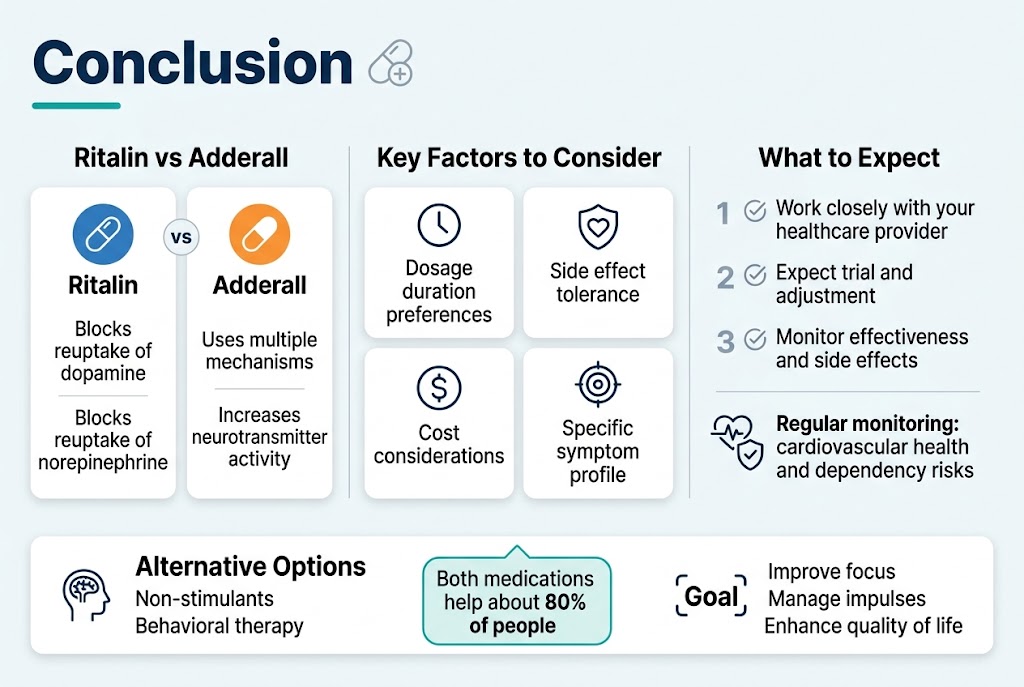
Choosing between Ritalin and Adderall for ADHD treatment isn’t a one-size-fits-all decision. Both medications effectively manage ADHD symptoms for about 80% of people who take them, but individual responses vary significantly. While Ritalin works by blocking the reuptake of dopamine and norepinephrine, Adderall employs multiple mechanisms to enhance neurotransmitter activity. The key factors to consider include dosage duration preferences, side effect tolerance, cost considerations, and your specific symptom profile.
Working closely with your healthcare provider is essential to finding the right treatment approach. Since there’s no formula for predicting which medication will work best for you, expect some trial and adjustment as you and your doctor monitor effectiveness and side effects. Remember that stimulant medications require regular monitoring for cardiovascular health and potential dependency risks. Whether you choose a stimulant medication or explore alternative treatments like non-stimulants or behavioral therapy, the goal remains the same: improving your ability to focus, manage impulses, and enhance your overall quality of life with ADHD.