The Ultimate Guide to ADHD Medications for Adults
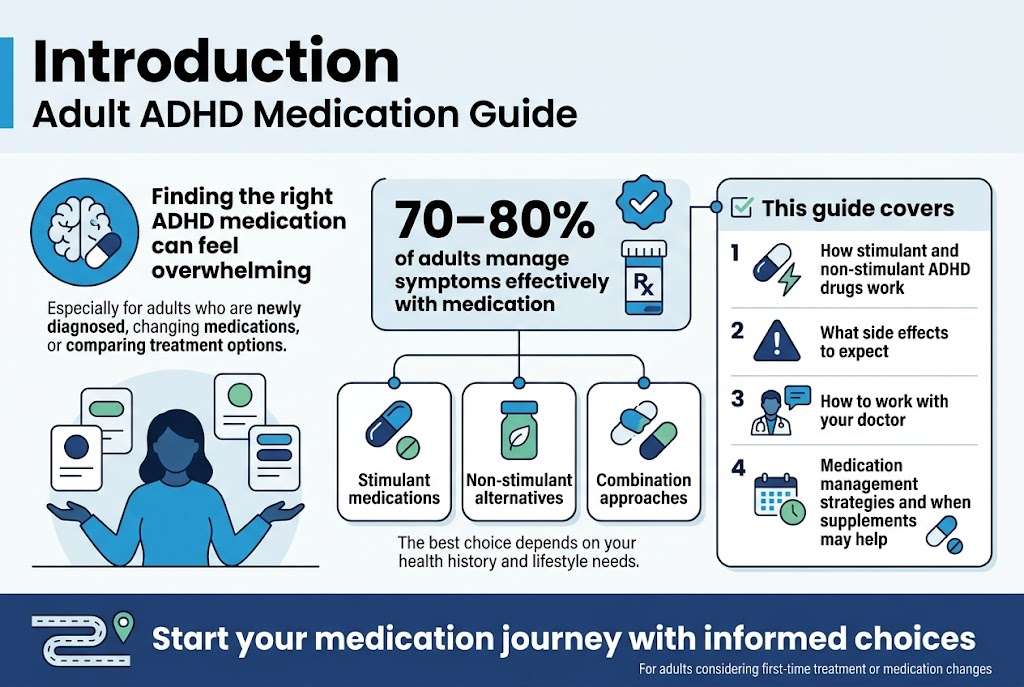
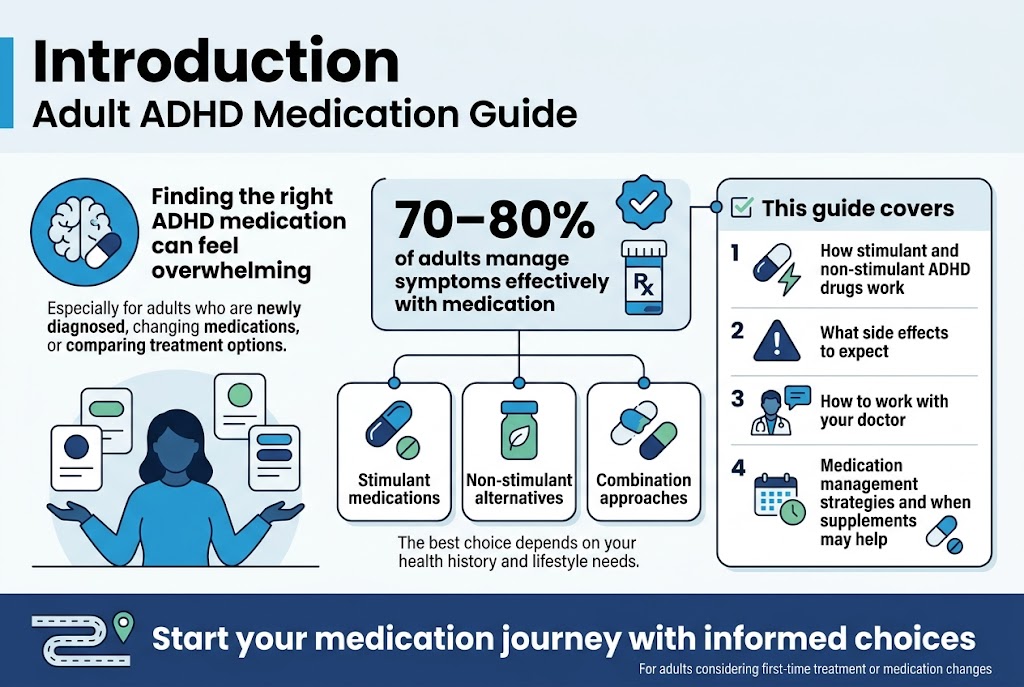
Finding the right ADHD medications for adults can feel overwhelming, especially with so many options available. This comprehensive guide is designed for adults who are newly diagnosed with ADHD, those considering medication changes, and anyone wanting to better understand their treatment options.
Adult ADHD treatment has come a long way, with research showing that medication helps 70-80% of adults manage their symptoms effectively. But knowing which path to take – whether stimulant medications ADHD treatments, non-stimulant alternatives, or combination approaches – depends on your unique situation, health history, and lifestyle needs.
In this guide, we’ll break down everything you need to know about adult ADHD medication options. You’ll discover how different stimulant and non-stimulant ADHD drugs work, what ADHD medication side effects to expect, and how to work with your doctor to find the best ADHD medication for adults in your specific case. We’ll also cover practical ADHD medication management strategies and when natural supplements might support your treatment plan.
Whether you’re starting your first medication or looking to optimize your current approach, this guide will help you make informed decisions about your ADHD treatment journey.
Understanding ADHD Medication Options for Adults
Stimulant medications and their 70-80% effectiveness rate
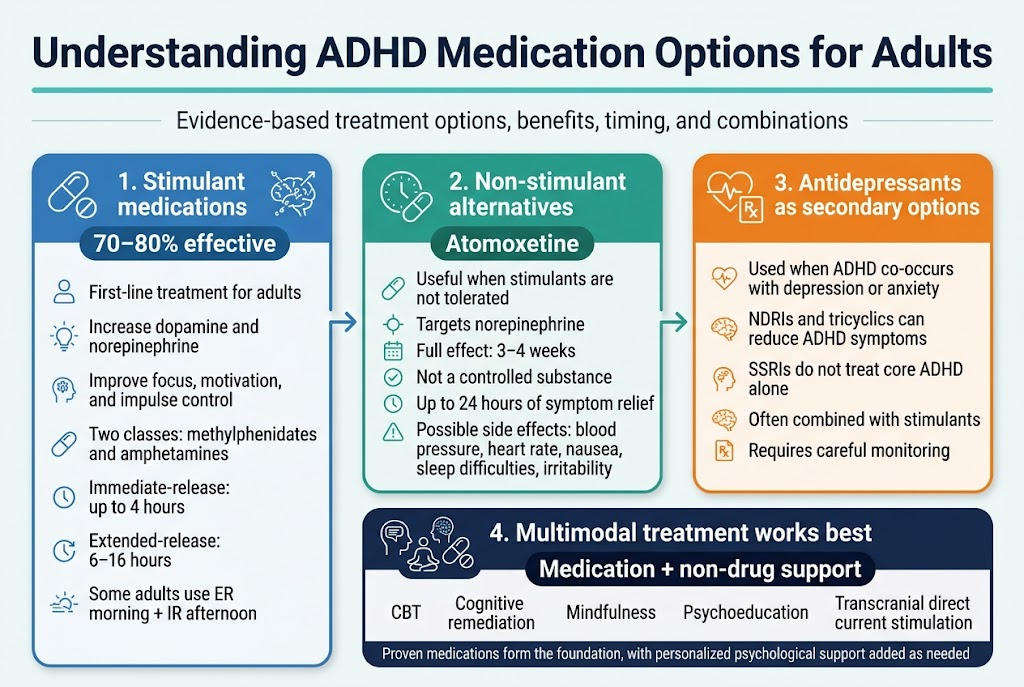
Stimulant medications represent the most effective first-line treatment for ADHD medications for adults, with research demonstrating approximately 80% of individuals with ADHD experience significant symptom reduction when finding the correct stimulant medication and dosage. These medications work by increasing levels of crucial neurotransmitters—dopamine and norepinephrine—in the brain, which play essential roles in attention, motivation, and impulse control.
Despite their name, stimulants don’t work by increasing stimulation. Instead, they help focus thoughts and improve concentration by optimizing brain chemistry. The Oxford study analyzing data from over 14,800 participants across 113 randomized controlled trials confirmed that stimulants are among the only treatments with proven efficacy in reducing core ADHD symptoms in adults, as reported by both clinicians and patients.
Stimulant medications fall into two primary classes: methylphenidates and amphetamines, available in both immediate-release (lasting up to four hours) and extended-release formulations (lasting 6-16 hours). Many adults find success combining extended-release morning doses with immediate-release afternoon supplements to maintain consistent symptom control throughout the day.
Non-stimulant alternatives and their benefits
Non-stimulant ADHD drugs offer valuable alternatives for adults who cannot tolerate stimulants or require additional treatment options. Atomoxetine, a selective noradrenaline reuptake inhibitor, emerged as equally effective to stimulants in comprehensive research reviews, representing the primary non-stimulant medication with proven efficacy for adult ADHD treatment.
Non-stimulants work differently than stimulants by specifically targeting norepinephrine levels in the brain. While they take longer to reach full effectiveness—typically three to four weeks of regular use—they provide several distinct advantages. These medications are not controlled substances, reducing concerns about dependency or misuse, and can provide symptom relief for up to 24 hours.
Healthcare providers often prescribe non-stimulants when stimulants prove ineffective, cause intolerable side effects, or when combining treatments to enhance overall effectiveness. However, atomoxetine can cause side effects including elevated blood pressure and heart rate, nausea, sleep difficulties, and irritability, highlighting the importance of personalized treatment decisions.
Antidepressants as secondary treatment options
While the FDA hasn’t specifically approved antidepressants for ADHD treatment, healthcare providers frequently prescribe them as secondary treatment options, either alone or combined with stimulants. Antidepressants targeting dopamine and norepinephrine levels—particularly norepinephrine-dopamine reuptake inhibitors and tricyclics—can effectively address ADHD symptoms.
These medications prove especially valuable for adults with co-occurring conditions. Selective serotonin reuptake inhibitors (SSRIs), while not effective for core ADHD symptoms alone, can be beneficial when combined with stimulants for individuals experiencing depression or anxiety disorders alongside ADHD.
The versatility of antidepressants in ADHD treatment strategies allows for customized approaches addressing multiple mental health conditions simultaneously, though their use requires careful monitoring and expertise in adult ADHD medication management.
How multimodal treatment approaches maximize results
Multimodal treatment approaches represent the gold standard for maximizing ADHD treatment outcomes in adults. Research indicates that combining pharmacological interventions with non-drug treatments can enhance overall effectiveness, though the evidence base remains stronger for medication alone.
Non-pharmacological interventions showing promise include cognitive behavioral therapy (CBT), cognitive remediation, mindfulness, psychoeducation, and transcranial direct current stimulation. While clinicians report efficacy for these approaches, patient-reported outcomes show less consistent improvement, emphasizing the continued importance of medication as the primary treatment modality.
The Oxford study’s findings support a comprehensive approach where proven effective medications—stimulants and atomoxetine—form the foundation of treatment, potentially supplemented by evidence-based psychological interventions. This strategy allows for personalized care that addresses individual symptoms, side effect profiles, and lifestyle factors while maximizing the benefits of both pharmacological and non-pharmacological approaches to create optimal adult ADHD medication options.
Choosing the Right Stimulant Medication
How stimulants increase dopamine and norepinephrine levels
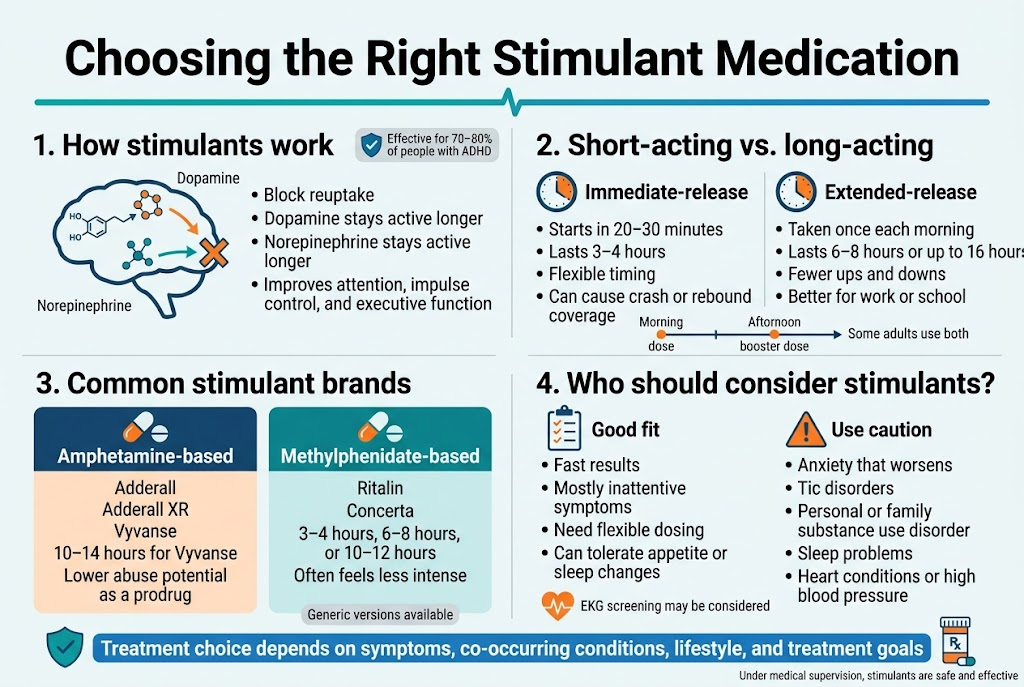
Stimulant medications work by targeting specific neurotransmitters in the brain that are essential for attention, focus, and impulse control. These ADHD medications for adults increase the levels of dopamine and norepinephrine by blocking their reuptake, which means these important chemicals stay active in the brain for longer periods.
For adults with ADHD, the brain doesn’t efficiently use these neurotransmitters, which is why stimulant medications often produce a calming, focusing effect rather than making people feel “hyper.” Despite their seemingly counterintuitive name, stimulants don’t work by increasing stimulation. Instead, they help normalize brain chemistry by ensuring adequate levels of dopamine and norepinephrine are available in areas responsible for executive function.
The increase in these neurotransmitters specifically helps improve attention span, reduce hyperactivity, control impulsive behavior, and manage executive dysfunction. Research demonstrates that stimulants are effective for approximately 70 to 80 percent of people with ADHD, making them the most commonly prescribed adult ADHD treatment option.
Short-acting vs. long-acting formulations and their advantages
Understanding the different formulations available is crucial for optimizing adult ADHD medication options. Stimulants come in two primary duration categories, each offering distinct advantages for different lifestyles and needs.
Immediate-release (short-acting) formulations typically last for three to four hours and are normally taken as needed. These medications work quickly, often within 20 to 30 minutes of taking them. The main advantages include flexibility in dosing throughout the day and the ability to adjust timing based on specific activities or schedules. Many adults supplement their treatment by taking multiple doses throughout the day to maintain consistent coverage.
However, short-acting formulations can cause what’s often referred to as “the crash” or “the rebound effect” when they wear off. This typically involves a sharp decrease in energy level and commonly causes severe hunger. Some people experience an intense drop in mood or depression during this period.
Extended-release (intermediate-acting or long-acting) formulations are typically taken once in the morning each day. Some last from six to eight hours, while others provide coverage for up to 16 hours. These longer-acting ADHD medications may result in fewer “ups and downs” during the day and reduce the need for extra doses at school or during work.
Many adults find that combining approaches works best for their ADHD medication management. They might take an extended-release medication in the morning with an immediate-release dose in the mid to late afternoon to cover the late afternoon to evening hours after the earlier dose starts to wear off.
Common amphetamine and methylphenidate brands
Most stimulant medications fall into one of two drug classes: methylphenidates or amphetamines. Understanding these categories helps adults make informed decisions about their ADHD medication guide.
Amphetamine-based medications include several popular options. Adderall combines four amphetamine salts and is available in both immediate-release form (lasting about 4 to 6 hours) and extended-release Adderall XR (lasting 10 to 12 hours). Vyvanse (lisdexamfetamine) is unique as a prodrug that provides smooth, consistent coverage lasting 10 to 14 hours with once-daily dosing. This medication has lower abuse potential because it must be metabolized in the body to become active.
Methylphenidate-based medications represent the other major category. Ritalin is available in immediate-release (3 to 4 hours), sustained-release (6 to 8 hours), and long-acting forms like Concerta (10 to 12 hours). Methylphenidate has been used to treat ADHD since the 1950s and many patients report it feels less intense than amphetamine-based medications.
Each brand offers different formulations and durations, allowing healthcare providers to match the medication to an individual’s specific schedule and symptom patterns. Generic versions are widely available for many of these medications, making treatment more affordable for adults without comprehensive insurance coverage.
Determining if stimulants are appropriate for your condition
Several factors determine whether stimulant medications are the right choice for adult ADHD treatment strategies. Healthcare providers typically consider stimulants as first-line treatment due to their high effectiveness rates and extensive research support spanning decades.
Ideal candidates for stimulant medications include adults who need faster results (within days rather than weeks), have primarily inattentive symptoms rather than hyperactivity, don’t have co-occurring anxiety or tic disorders, can tolerate appetite suppression and potential sleep disruption, need flexibility to take medication only on certain days, and want the treatment option with the strongest research support.
Stimulants may not be appropriate for adults with a personal or family history of substance use disorder, those who experience anxiety that worsens with stimulants, individuals with tic disorders that stimulants might exacerbate, people who need consistent evening coverage, those who struggle with sleep even without medication, or adults who can’t tolerate typical stimulant side effects.
Before prescribing stimulants, healthcare providers may order an electrocardiogram (EKG) screening to avoid complications from previously undetected heart rhythm issues. They’ll also review current medications, assess for potential interactions, and consider medical history including heart conditions or high blood pressure.
It’s important to note that stimulants are controlled substances with potential for misuse, though under proper medical supervision, they are safe and effective. Some states have laws that restrict the quantity of stimulant medications dispensed at one time, often limiting prescriptions to a 30-day supply before requiring a refill.
The decision to use stimulants should involve comprehensive evaluation of ADHD symptoms, co-occurring conditions, lifestyle factors, and individual treatment goals to ensure the best possible outcomes for adult ADHD medication management.
Managing Stimulant Side Effects and Safety Concerns
Common side effects from dry mouth to sleep issues
Now that we understand the various stimulant medication options available, it’s essential to recognize the potential side effects that may occur during treatment. While stimulant medications are generally well-tolerated when used as prescribed, understanding common side effects helps adults with ADHD make informed decisions about their treatment.
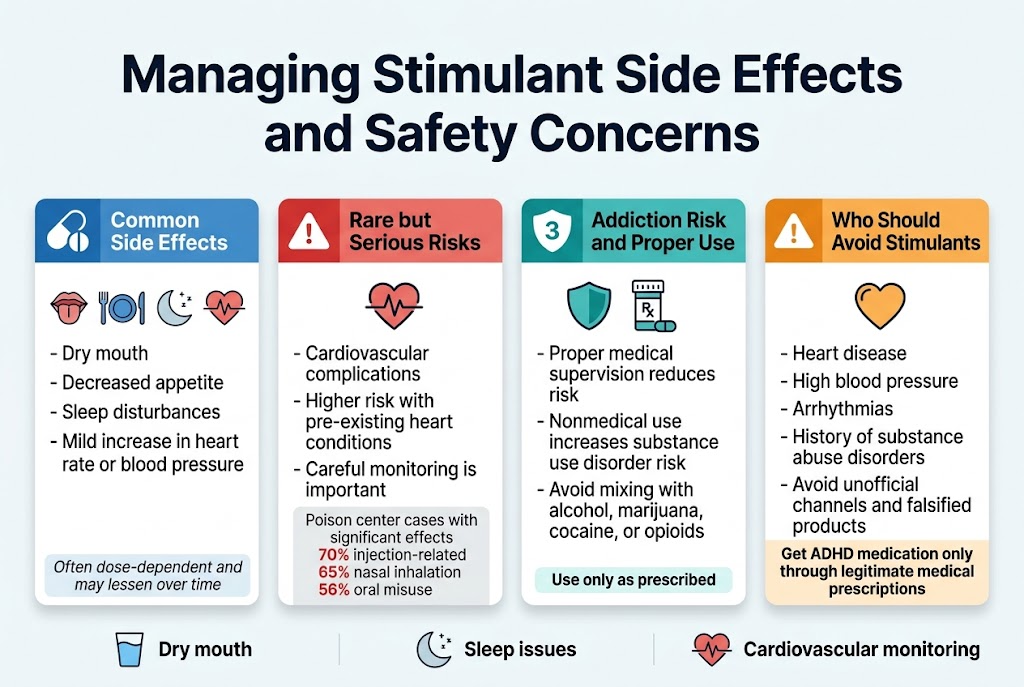
The most frequently reported side effects include dry mouth, decreased appetite, sleep disturbances, and mild increases in heart rate or blood pressure. These effects are typically dose-dependent and often diminish as the body adjusts to the medication. Sleep issues are particularly common, as stimulants can interfere with natural sleep patterns if taken too late in the day.
Rare but serious risks including heart problems
While most adults tolerate ADHD medication side effects well, certain serious risks require careful monitoring. Cardiovascular complications, though rare, represent the most significant concern with stimulant use. These medications can cause increases in blood pressure and heart rate, which may be problematic for individuals with pre-existing heart conditions.
The FDA has documented cases where improper use or abuse of prescription stimulants led to severe medical outcomes. According to poison center data from 2001 to 2018, approximately 70 percent of injection-related cases resulted in moderate to major medical effects, while 65 percent of nasal inhalation cases and 56 percent of oral misuse cases also led to significant complications.
Addiction potential and how proper use reduces risk
Previously, concerns about addiction potential have caused hesitation among adults considering stimulant treatment. However, research shows that proper medical supervision significantly reduces these risks. The FDA’s review of medical literature from 2006 to 2020 reveals that nonmedical use typically involves medications obtained from family members or friends rather than prescribed medications used appropriately.
Data indicates that people who use prescription stimulants nonmedically may have a higher risk of developing substance use disorders. However, when stimulants are used under proper medical supervision with appropriate dosing and monitoring, the risk of addiction is substantially lower. Most concerning is that nonmedical users often combine stimulants with other substances, including alcohol, marijuana, cocaine, and opioids, which significantly increases danger.
Who should avoid stimulants due to health conditions
With this understanding of risks in mind, certain individuals should avoid stimulant medications entirely. Adults with existing cardiovascular conditions, including heart disease, high blood pressure, or arrhythmias, require careful evaluation before starting stimulant treatment. Those with a history of substance abuse disorders may also need alternative treatment approaches.
The increasing presence of falsified prescription stimulant products containing harmful substances like methamphetamine or fentanyl poses additional risks for those seeking medications through unofficial channels. This underscores the importance of obtaining ADHD medications only through legitimate medical prescriptions and proper healthcare supervision.
Exploring Non-Stimulant Medication Benefits
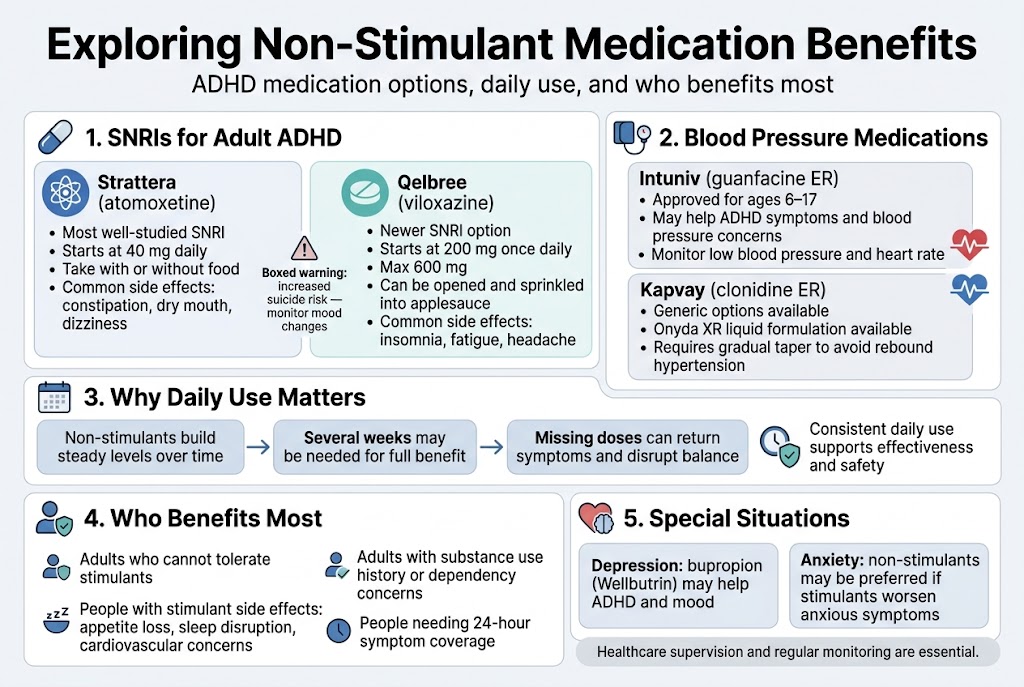
Selective norepinephrine reuptake inhibitors (SNRIs) for ADHD
Strattera (atomoxetine) stands as the most well-studied and effective selective norepinephrine reuptake inhibitor for adult ADHD treatment. This medication works by increasing norepinephrine activity in the brain, though the exact mechanism for improving ADHD symptoms isn’t fully understood. Strattera helped address symptoms of inattentiveness and hyperactivity in clinical studies, making it a cornerstone of non-stimulant ADHD medications for adults.
For adults, the typical starting dosage is 40 mg daily, with adjustments made after three days based on individual response. Unlike stimulant medications, Strattera can be taken with or without food, offering flexibility in daily routines. Common side effects in adults include constipation, dry mouth, and dizziness, which are generally manageable with proper medical guidance.
Qelbree (viloxazine) represents a newer SNRI option that works similarly to Strattera. Adults typically start with 200 mg once daily, with a maximum dosage of 600 mg. This medication can be swallowed whole or opened and sprinkled into applesauce for easier consumption. Common side effects include insomnia, fatigue, and headache, with timing adjustments helping minimize sleep-related issues.
Both Strattera and Qelbree carry boxed warnings for increased suicide risk, particularly important during treatment initiation. These medications require careful monitoring and open communication with healthcare providers about mood changes or concerning thoughts.
Blood pressure medications for dual symptom management
While not FDA-approved for adults, blood pressure medications like Intuniv (guanfacine ER) and Kapvay (clonidine ER) offer unique benefits for certain ADHD cases. These central alpha 2-adrenergic receptor agonists work differently from SNRIs, potentially benefiting individuals who haven’t responded well to other non-stimulant options.
Intuniv is approved for children and teens ages 6 to 17, either alone or combined with stimulant medications for harder-to-treat ADHD. The medication belongs to a class that can help manage both ADHD symptoms and blood pressure concerns simultaneously. However, it requires careful monitoring due to potential cardiovascular effects, including low blood pressure and heart rate changes.
Kapvay (clonidine ER) functions similarly as a centrally acting alpha 2-adrenergic agonist. While brand-name Kapvay is discontinued, generic options remain available, along with Onyda XR as an extended-release liquid formulation. These medications can cause significant cardiovascular effects and require gradual discontinuation to prevent dangerous blood pressure spikes.
Both medications demand regular monitoring of blood pressure and heart rate, making them suitable primarily for patients who can commit to consistent medical supervision and have no contraindications for blood pressure-lowering effects.
Why non-stimulants require daily use for effectiveness
Non-stimulant ADHD medications for adults require consistent daily use because they work through different mechanisms than stimulant medications. Unlike stimulants that provide immediate symptom relief, non-stimulants build therapeutic levels in the bloodstream over time to maintain steady neurotransmitter activity.
Strattera and Qelbree work by blocking norepinephrine reuptake, requiring consistent presence in the system to maintain this blocking action. Missing doses can disrupt the carefully established neurotransmitter balance, leading to symptom return and potential withdrawal effects. The medications need time to reach steady-state concentrations, typically taking several weeks to achieve full therapeutic benefits.
Blood pressure medications used for ADHD also require daily consistency due to their cardiovascular effects. Sudden discontinuation can cause dangerous rebound hypertension, making gradual tapering essential under medical supervision. These medications work by continuously modulating receptor activity, which cannot be maintained with intermittent dosing.
The daily requirement ensures optimal symptom management and safety, particularly important given the cardiovascular monitoring needs of many non-stimulant options. Healthcare providers emphasize adherence schedules to maintain therapeutic effectiveness and prevent potentially serious withdrawal complications.
Who benefits most from non-stimulant alternatives
Non-stimulant ADHD medications prove most beneficial for adults who cannot tolerate stimulant medications or have experienced inadequate symptom improvement with first-line treatments. Individuals experiencing intolerable side effects from stimulants, such as severe appetite suppression, sleep disruption, or cardiovascular concerns, often find better tolerance with non-stimulant options.
Adults with substance abuse history or concerns about stimulant dependency benefit significantly from non-stimulant alternatives, as these medications carry lower abuse potential. The lack of controlled substance classification makes non-stimulants attractive for individuals seeking ADHD treatment without dependency risks.
Patients with comorbid conditions often benefit from specific non-stimulant choices. Those with depression may find off-label options like Wellbutrin (bupropion) particularly helpful, addressing both ADHD and mood symptoms simultaneously. Adults with anxiety disorders may prefer non-stimulants that don’t exacerbate anxious symptoms.
Individuals requiring 24-hour symptom coverage benefit from the longer-lasting effects of many non-stimulant medications compared to immediate-release stimulants. The steady medication levels provide consistent symptom management throughout the day without the peaks and valleys associated with shorter-acting stimulant formulations.
Healthcare professionals may recommend non-stimulants for adults who haven’t achieved adequate symptom control with properly dosed stimulant trials, ensuring all treatment avenues are explored for optimal ADHD management.
When Antidepressants Support ADHD Treatment
Addressing concurrent ADHD and depression symptoms
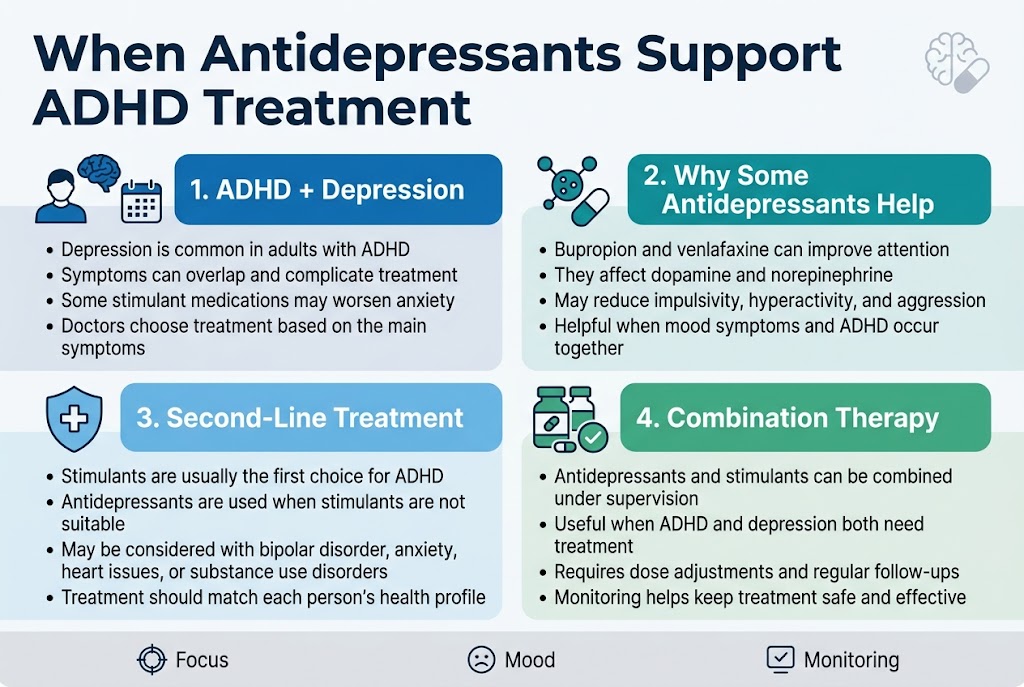
Adults with ADHD frequently experience comorbid mental health conditions, with depression being particularly common. Research shows that people with ADHD are more likely to have mental health issues like anxiety, depression, and substance use disorders. These co-occurring conditions create complex treatment challenges, as their symptoms can overlap and their treatments can affect each other.
When both ADHD and depression are present, the interaction between these conditions requires careful consideration. Some stimulant medications for ADHD can make anxiety symptoms worse, which means doctors must evaluate which condition is causing the most problems when developing a treatment plan. The presence of depression alongside ADHD often makes antidepressants an attractive treatment option since they can address both conditions simultaneously.
How bupropion and venlafaxine help with attention issues
Antidepressant drugs raise your brain’s levels of chemicals such as dopamine and norepinephrine, which are crucial neurotransmitters for attention and focus. While the FDA hasn’t specifically approved antidepressants for ADHD treatment, doctors have found they can improve attention span in some people with the condition.
Bupropion (Wellbutrin) and venlafaxine (Effexor) are two antidepressants that have shown particular promise for ADHD symptoms. These medications work by modifying brain chemistry in ways that can enhance attention and reduce impulsivity. Beyond improving focus, these antidepressants also help keep a lid on behaviors like being impulsive, hyperactive, or aggressive.
The dual action of these medications makes them especially valuable for adults who struggle with both attention deficits and mood disorders. By targeting multiple neurotransmitter systems, they can provide comprehensive symptom relief that addresses the complex nature of adult ADHD presentations.
Why antidepressants serve as second-line treatments
Antidepressants aren’t usually the first choice for treating ADHD medications for adults. Stimulants remain the primary treatment option because they tend to work best and are often the first choice for ADHD treatment. The effectiveness and well-established track record of stimulant medications typically make them the preferred initial approach.
However, antidepressants become valuable alternatives when stimulants aren’t suitable or effective. Some adults cannot tolerate stimulant side effects, while others have medical conditions that contraindicate stimulant use, such as bipolar disorder, anxiety, irregular heartbeat, high blood pressure, or substance use disorders.
The right antidepressant for ADHD treatment depends on your specific symptoms and other health problems. This individualized approach is particularly important because what works for one person may not be effective for another, requiring careful evaluation of each patient’s unique clinical profile.
Combining antidepressants with other ADHD medications
Combination therapy approaches can be safely implemented under proper medical supervision. Research indicates that doctors can safely combine treatments for more than one condition when clinically appropriate. A mix of antidepressants and stimulants may help if you have depression along with ADHD, providing comprehensive symptom management.
This combined approach allows healthcare providers to address multiple aspects of adult ADHD treatment strategies while managing comorbid conditions. The key to successful combination therapy lies in careful monitoring and dosage adjustments to minimize potential interactions while maximizing therapeutic benefits.
Regular follow-ups become even more critical when using combination therapies, as doctors need to assess how different medications interact and whether adjustments are needed. This collaborative approach between patient and provider ensures that the treatment plan remains effective and safe over time.
Optimizing Your Medication Strategy
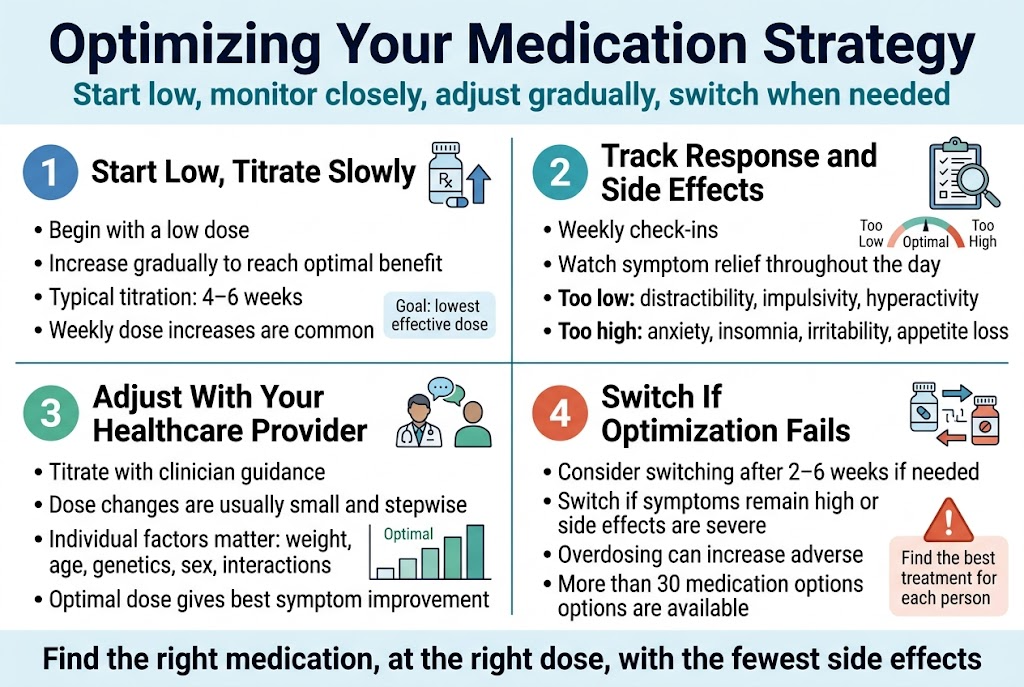
Starting with low doses and adjusting for effectiveness
Current practice guidelines consistently recommend starting ADHD medication at low doses and gradually titrating upward to achieve optimal therapeutic benefits. The NICE Guidelines recommend beginning with 5 mg three times daily for immediate-release preparations, while the CADDRA Guidelines emphasize starting with low doses and slowly increasing until the optimal treatment dose is reached. This approach minimizes initial side effects while allowing your body to adjust to the medication.
For adults, the Swedish Guidelines suggest beginning at a low dose and gradually increasing on a weekly basis to find the best balance between efficacy and adverse effects, with maximum dosages reaching up to 80-100 mg/day depending on the specific medication. The titration process typically occurs over 4-6 weeks, as recommended by both the BAP and NICE Guidelines.
Various factors influence dose optimization needs, including genetic variability, patient weight, age, sex, drug-induced tolerance, and interactions with other medications or medical conditions. Research shows that methylphenidate has wide interindividual variability in dose response, making personalized dose optimization crucial for effective ADHD treatment in adults.
Monitoring treatment response with tracking tools
During the titration process, healthcare providers monitor several key indicators to guide dosing decisions. Weekly check-ins are essential to discuss both therapeutic benefits and side effects, helping determine whether your current dosage is providing sufficient symptom control or causing problematic adverse effects.
You should track whether your medication is providing adequate therapeutic benefits – meaning your ADHD symptoms feel sufficiently reduced throughout the day. If you’re experiencing only brief periods of symptom relief, this may indicate your dose is too low and requires adjustment. Conversely, if side effects are severe or outweigh the benefits, your dose may be too high.
Key signs that your stimulant medication dose is too low include difficulty paying attention or focusing, problems with impulse control, getting easily distracted, and feeling hyperactive. For non-stimulant medications, inadequate dosing may present as difficulty avoiding distractions, hyperactive feelings, or no significant symptom relief after two weeks of treatment.
Working with healthcare providers for dosage modifications
Effective ADHD medication management requires close collaboration with your healthcare provider throughout the optimization process. Clinicians follow structured titration protocols to establish the optimum dose, typically increasing dosages incrementally – approximately once per week – until achieving good effect with tolerable side effects.
The Spanish Guidelines recommend progressive dose increases of 2.5-5 mg per week depending on clinical response and presence of side effects, while the European Guidelines suggest increasing doses until good results are achieved, adverse effects appear, or maximum dose limits are reached.
Research demonstrates that patients receiving their optimal dose show the highest average improvements in ADHD symptom scales compared to those on fixed dosages. Studies reveal that multiple doses are required for adequate treatment – in one large trial, patients were distributed across various optimal doses: 7.9% on 18 mg, 29.3% on 36 mg, 34.4% on 54 mg, 19.8% on 72 mg, and 8.7% on 90 mg, highlighting the importance of individualized dosing.
When to switch between medication types
When medication optimization doesn’t achieve desired results after two to six weeks of proper titration, switching between medication types may be necessary. This decision typically occurs when you’re still experiencing significant ADHD symptoms despite reaching therapeutic dose ranges, or when side effects remain severe and debilitating even at lower doses.
Signs that stimulant medication may be dosed too high include significantly increased anxiety or depression, feeling “too wired” into the evening, severe insomnia, new tics, extreme irritability, hallucinations, complete appetite loss with significant weight loss, or feeling like you’ve lost your personality “sparkle.” For non-stimulants, excessive dosing may cause extreme fatigue, severe gastrointestinal upset, significant constipation, or rapid pulse.
Research shows that patients receiving more than their optimal dose experience higher rates of adverse events (82.8%) compared to those on optimal dosing (68.3%). Additionally, cardiac disorders like palpitations and tachycardia are more common in over-dosed patients (19.8%) versus optimally dosed individuals (10.6%).
The goal is always to find the lowest effective dose that provides therapeutic benefits with minimal side effects. Since over 30 ADHD medications are available, switching between formulations or medication classes when optimization fails ensures you can find the most suitable treatment for your individual needs.
Supporting Medication with Natural Supplements
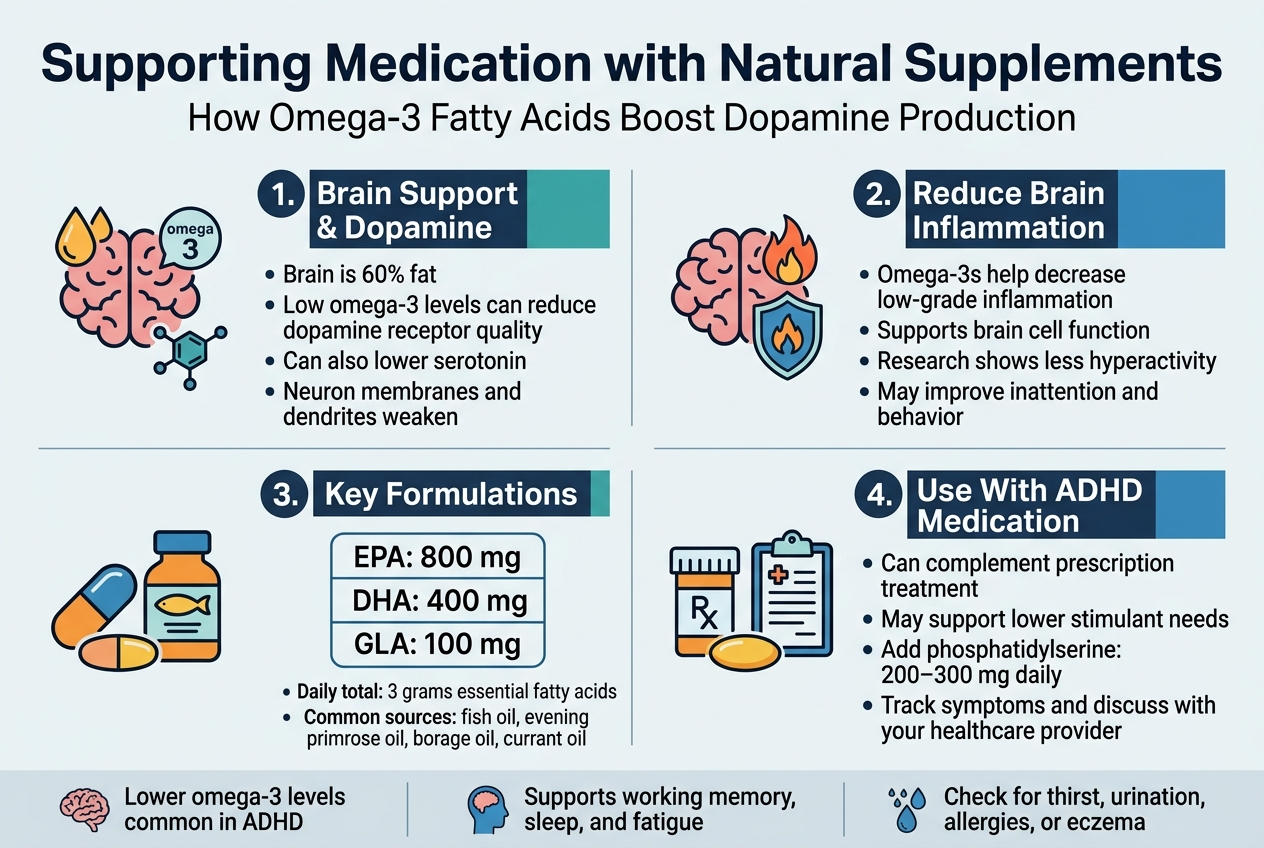
How Omega-3 Fatty acids Boost Dopamine Production
Now that we’ve explored prescription ADHD medications for adults, it’s crucial to understand how natural supplements can enhance your treatment strategy. Omega-3 fatty acids play a fundamental role in supporting brain function, particularly for adults managing ADHD symptoms. Your brain consists of 60 percent fat, making it heavily dependent on essential fatty acids for optimal health and wellbeing.
When omega-3 levels are insufficient, several critical brain functions become compromised. Cellular receptors for the neurotransmitter dopamine become malformed, resulting in lower dopamine levels – a key factor in ADHD symptom management. Additionally, neurons produce less serotonin, which helps control mental activity and mood regulation. The outer membrane of brain cells degenerates, and dendrites make fewer branches, ultimately affecting neurotransmission throughout your brain.
Research demonstrates that children and adults with ADHD typically have 38 percent lower blood levels of omega-3s compared to neurotypical individuals. This deficiency may have a genetic component, with ADHD individuals showing 60 to 70 percent greater likelihood of having genetic variations that affect fatty acid metabolism.
Reducing Brain Inflammation for Better Symptom Control
Previously, we’ve discussed how prescription medications work to manage ADHD symptoms, but omega-3s offer additional benefits through their anti-inflammatory properties. These essential fatty acids protect your brain by decreasing low-grade inflammation – the chronic cellular damage that can impair brain cell function.
Multiple studies have demonstrated omega-3’s effectiveness in reducing ADHD symptoms. Research analyzing data from 16 studies found that omega-3 supplementation consistently lessens hyperactivity as evaluated by both parents and healthcare providers. Australian researchers discovered that children with ADHD who took omega-3 supplements daily for four months experienced reduced inattention, hyperactivity, disobedience, and hostility.
German researchers studying 95 children diagnosed with ADHD found that omega-3 supplementation improved working memory – the short-term recall essential for learning and daily functioning. Israeli researchers also documented improved sleep quality and reduced daytime fatigue in ADHD children taking omega-3/omega-6 supplements.
Proper EPA, DHA, and GLA Formulations for ADHD
With this understanding of omega-3’s benefits in mind, selecting the right formulation becomes critical for adults managing ADHD alongside their medication regimen. The most important omega-3 fatty acids for brain function are EPA (eicosapentaenoic acid) and DHA (docosahexaenoic acid), both found in fatty fish and fish oil supplements.
For optimal ADHD support, experts recommend a daily fish oil supplement providing one to two grams total of DHA and EPA. However, some practitioners suggest combining these with GLA (gamma-linoleic acid), an omega-6 essential fatty acid found in evening primrose oil, borage oil, and currant oil.
A balanced approach includes supplements containing approximately 800 mg of EPA, 400 mg of DHA, and 100 mg of GLA per serving, taken two to three times daily for a total of three grams of essential fatty acids. This combination addresses potential imbalances, as excessive omega-3 supplementation over months or years can sometimes drive down beneficial omega-6 GLA levels.
Signs that may indicate higher omega-3 needs include frequent thirst, frequent urination, allergies, or skin conditions like eczema. Adults without obvious deficiency signs can safely begin with the standard dosing recommendations.
Integrating Supplements with Prescription Treatments
Next, we’ll explore how to safely combine omega-3 supplements with your existing ADHD medication management strategy. The American Psychiatric Association recommends that individuals with impulse control disorders, including ADHD, supplement their daily diets with at least one gram of fish oil, suggesting these supplements can work alongside traditional treatments.
Research indicates that omega-3 supplementation may allow for reduced stimulant medication when used together, though this should always be discussed with your healthcare provider. The supplements work through different mechanisms than prescription medications, potentially offering complementary benefits for symptom management.
To enhance omega-3 effectiveness, consider adding phosphatidylserine (PS), a phospholipid that helps form brain cell membranes. Studies show that children taking PS experienced better attention, less impulsivity and restlessness, and improved short-term memory. The recommended dosage is 200 to 300 mg daily, divided into 100 mg doses with meals.
When integrating supplements with prescription ADHD medications for adults, maintain consistent timing and monitor your response carefully. Keep detailed records of any symptom changes to discuss with your healthcare provider during regular medication reviews. This collaborative approach ensures you’re maximizing both your prescription treatment and natural supplement support for optimal ADHD management.
Making Informed Medication Decisions
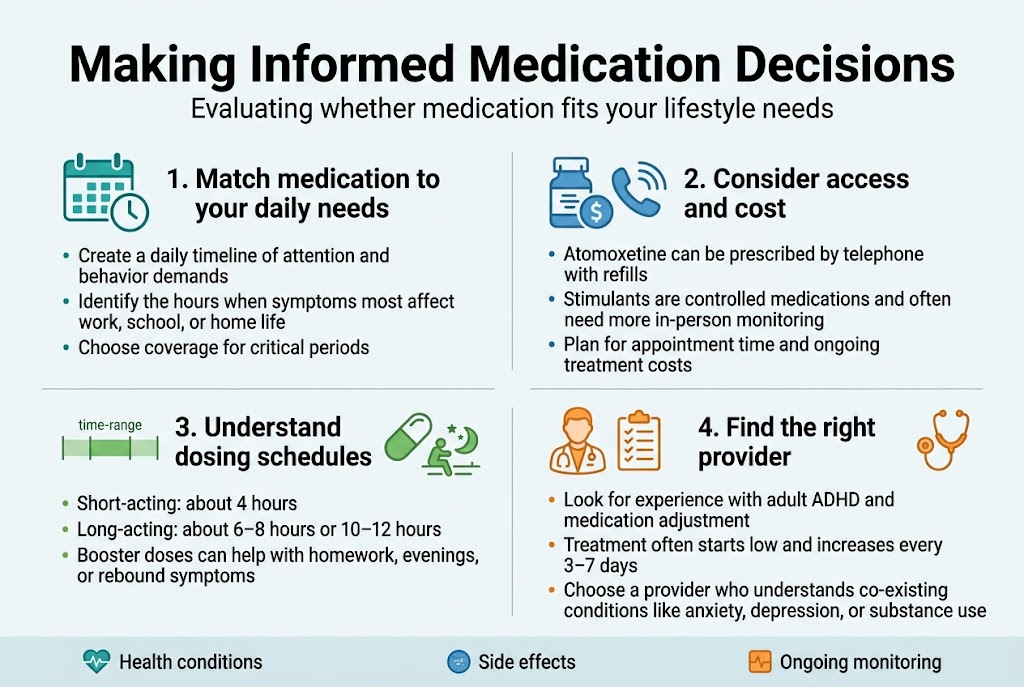
Evaluating whether medication fits your lifestyle needs
Before committing to ADHD medication treatment, it’s crucial to match your needs with the characteristics of available medications. Creating a daily timeline of your attentional and behavioral requirements helps identify when symptoms most significantly impact your functioning. For example, if severe ADHD symptoms threaten your job performance during specific work hours, you’ll need medication that provides optimal coverage during those critical periods.
Consider your existing health conditions when evaluating treatment options. Adults with well-controlled hypertension may need to avoid medications that could destabilize their blood pressure management. The decision-making process should involve recognizing potential side effects so you can adequately weigh risks and benefits. Some individuals find that longer-acting formulations work better for their schedules, eliminating the need for multiple doses during work hours, while others may require supplemental shorter-acting doses for evening activities or homework completion.
Accessing affordable treatment through savings programs
While the reference content doesn’t specifically address savings programs, it does highlight important considerations for medication accessibility. Atomoxetine (Strattera) offers one advantage in that it’s not a controlled Schedule II drug like stimulants, which means it can be prescribed by telephone and with refills, potentially reducing appointment-related costs and time commitments.
The controlled substance status of stimulant medications like methylphenidate and amphetamines requires more frequent medical monitoring and in-person visits, which may impact overall treatment costs. Understanding these regulatory requirements helps you plan for the ongoing expenses associated with ADHD medication management.
Understanding flexible dosing schedules for different situations
Matching the characteristics of various extended-release stimulants with your changing needs requires both medication knowledge and understanding of how your requirements shift throughout the day. Short-acting preparations typically last approximately 4 hours, while long-acting formulations vary in duration—some lasting 6-8 hours and newer preparations extending to 10-12 hours.
Many individuals find that longer-acting medications cause fewer “ups and downs” throughout the day. However, teenagers and adults often discover they need to supplement morning long-acting doses with shorter-acting “booster” doses taken in mid to late afternoon. This approach provides better coverage for homework, evening activities, and reduces “rebound” problems when the earlier dose wears off.
For adults with variable schedules, immediate-release preparations can be added at the beginning, middle, or end of extended-release medication action. If you have a business meeting later in the day or after dinner, you could take extended-release medication later than usual or add immediate-release doses late in the day to maintain symptom control.
Finding qualified healthcare providers for ADHD treatment
Choosing the right healthcare provider is essential for effective ADHD medication management. The process requires substantial effort and ongoing monitoring to fine-tune timing and dosing for optimal clinical response. Sometimes the prescribing professional alone can fulfill these functions, but often an experienced therapist familiar with adult ADHD can provide additional input to maximize medication effectiveness.
Your healthcare provider should understand that medication trials are necessary since practitioners cannot predict which drug will work best for each individual without testing them. The trial usually begins with low doses gradually increased at 3-7 day intervals until clinical benefits are achieved. This process requires a provider comfortable with systematic medication adjustments and monitoring.
Look for professionals experienced in treating adults with ADHD and co-existing psychiatric disorders, as approximately two-thirds to three-quarters of adults with ADHD will have at least one other psychiatric condition during their lifetime. Your provider should understand how to prioritize treatment when multiple conditions exist and recognize how ADHD medications may affect co-existing disorders like anxiety, depression, or substance use disorders.
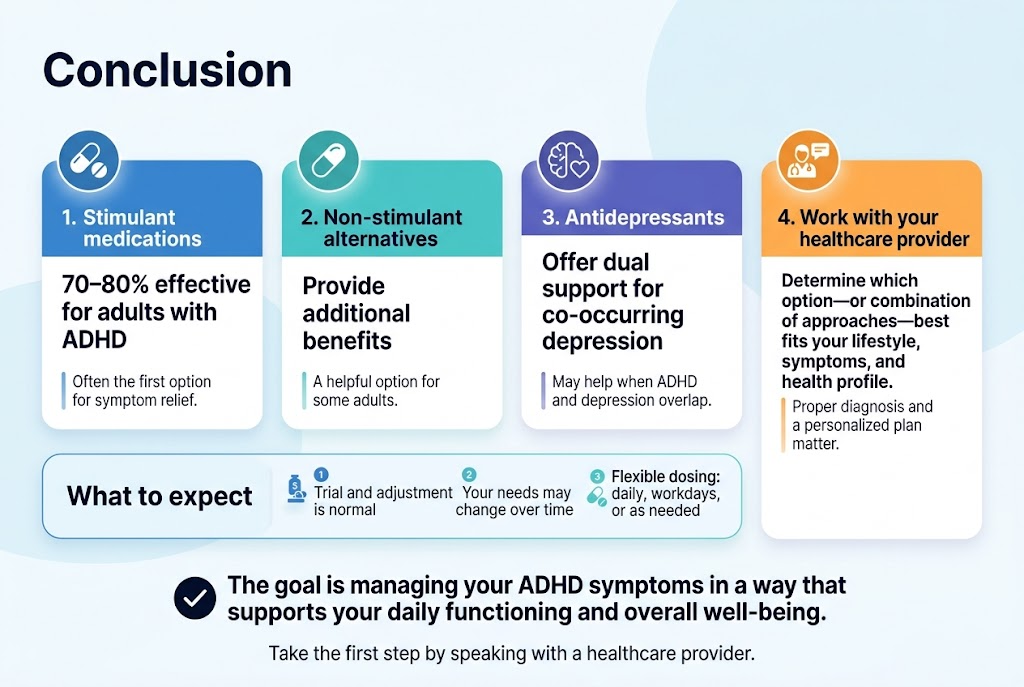
Navigating ADHD medications as an adult doesn’t have to be overwhelming. With stimulant medications proving 70-80% effective for adults with ADHD, non-stimulant alternatives providing additional benefits, and antidepressants offering dual support for those with co-occurring depression, you have multiple pathways to find relief. The key is working closely with your healthcare provider to determine which option—or combination of approaches—best fits your lifestyle, symptoms, and health profile.
Remember that finding the right medication often involves some trial and adjustment, and that’s completely normal. Your needs may change over time due to life circumstances, and you have the flexibility to modify your treatment accordingly. Whether you choose to take medication daily, only on workdays, or as needed, the goal is managing your ADHD symptoms in a way that supports your daily functioning and overall well-being. Take the first step by speaking with a healthcare provider who can guide you through the process of getting properly diagnosed and developing a personalized treatment plan that works for you.