Best 5 Sleeping Problem Solution in 2026
Best 5 Sleeping Problem Solutions in 2026: Science-Backed Methods That Actually Work
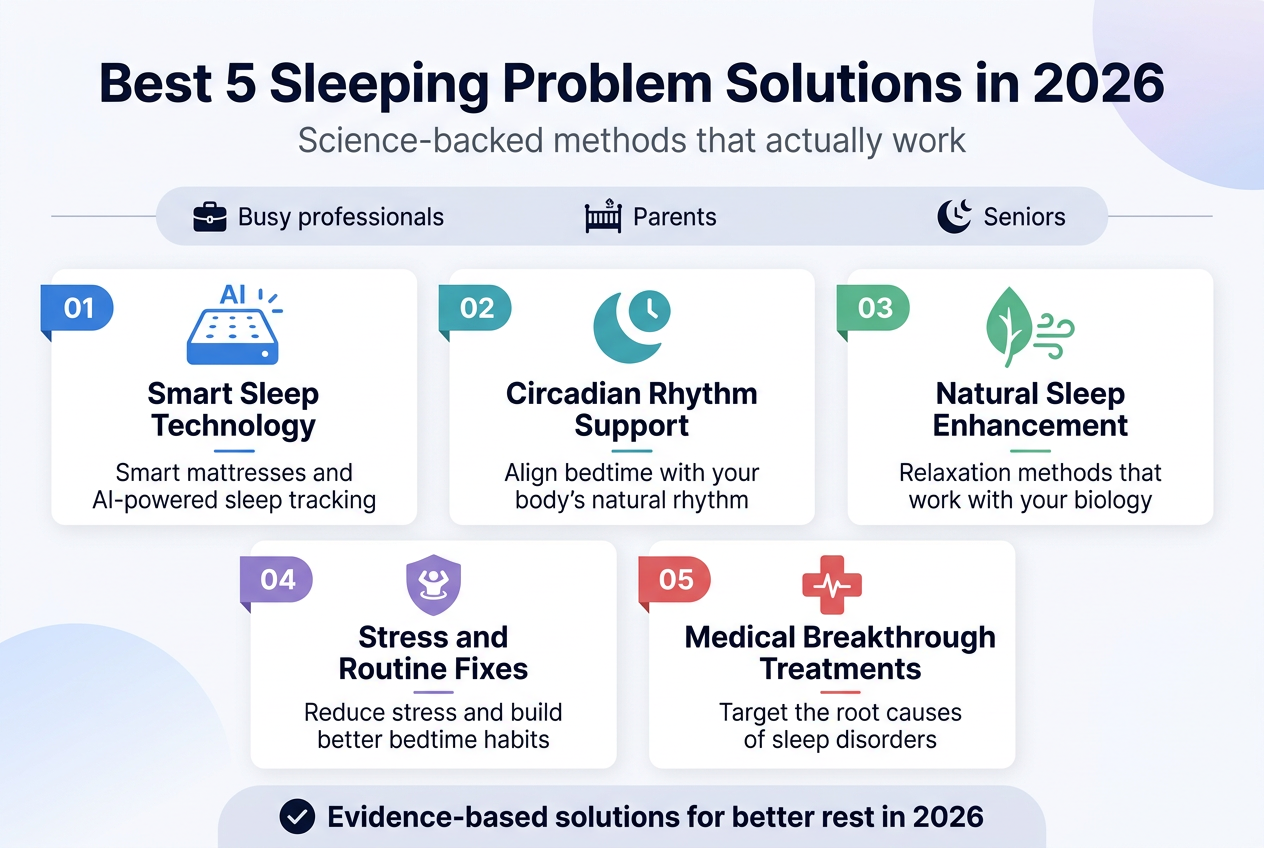
Struggling with sleepless nights? You’re not alone. This guide is designed for anyone dealing with sleep issues—from busy professionals battling stress-induced insomnia to parents exhausted from disrupted sleep schedules, and seniors facing age-related sleep challenges.
The sleeping problems solutions 2026 landscape has transformed dramatically, offering hope for millions who’ve tried everything without success. We’ll explore cutting-edge approaches that combine the latest research with practical, real-world applications.
You’ll discover how advanced sleep technology is revolutionizing bedtime routines with smart mattresses and AI-powered sleep tracking. We’ll also dive into natural sleep enhancement methods that work alongside your body’s rhythms, plus medical breakthrough treatments that target the root causes of sleep disorders.
Whether you’re dealing with occasional restlessness or chronic sleep problems, these evidence-based solutions provide multiple pathways to better rest. Let’s explore the five most effective strategies that are changing how people sleep in 2026.
Advanced Sleep Technology Solutions
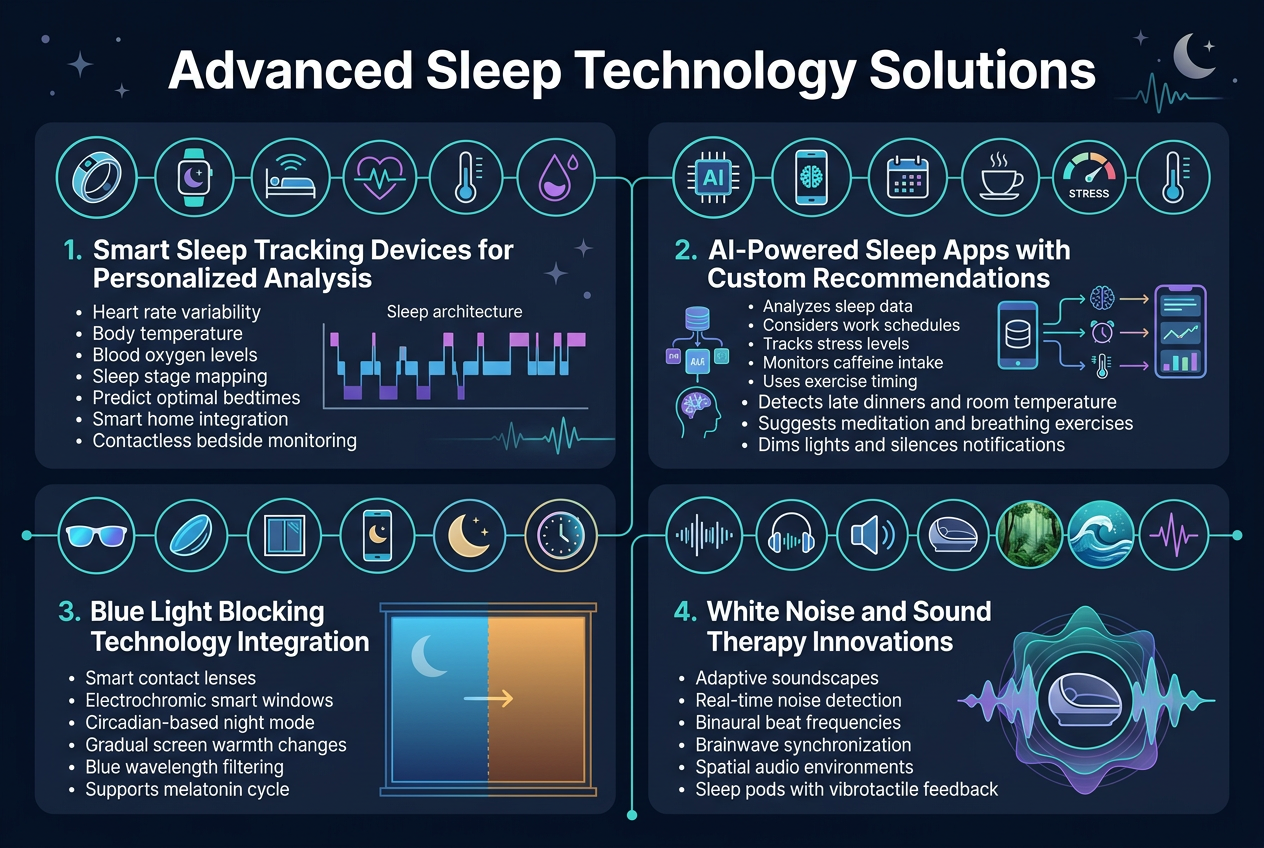
Smart Sleep Tracking Devices for Personalized Analysis
Wearable sleep trackers have evolved dramatically, moving beyond basic step counting to sophisticated biometric monitoring. Modern devices like the Oura Ring 4 and WHOOP 4.0 now capture heart rate variability, body temperature fluctuations, and blood oxygen levels throughout the night. These advanced sleep technology tools create detailed sleep architecture maps, showing exactly when you enter different sleep stages.
The real game-changer is how these devices learn your unique patterns. After collecting data for several weeks, they can predict optimal bedtimes and wake windows based on your personal circadian rhythm. Some devices even integrate with smart home systems, automatically adjusting room temperature and lighting based on your sleep phases.
Newer models feature contactless monitoring through bedside sensors that track breathing patterns and movement without wearing anything. This technology proves especially valuable for couples who want individual sleep analysis without device interference.
AI-Powered Sleep Apps with Custom Recommendations
Artificial intelligence has transformed how we approach sleeping problems solutions 2026. Apps like Sleep Cycle AI and Noisli Plus analyze your sleep data alongside lifestyle factors to provide personalized recommendations. These platforms consider work schedules, stress levels, caffeine intake, and exercise timing to create tailored sleep improvement plans.
Machine learning algorithms identify patterns you might miss. For example, the app might notice you sleep poorly after eating late dinners or when your bedroom exceeds 68°F. The AI then suggests specific interventions, from meditation sequences to breathing exercises designed for your stress response patterns.
Advanced apps now integrate with smart home devices, automatically creating your ideal sleep environment. They can dim lights gradually, adjust thermostat settings, and even silence notifications on connected devices during your optimal sleep window.
Blue Light Blocking Technology Integration
Blue light exposure management has become more sophisticated than simple orange-tinted glasses. Smart contact lenses with built-in blue light filtering are entering the market, providing protection without affecting daily activities. These contacts automatically adjust their filtering intensity based on ambient light conditions.
Smart windows with electrochromic glass technology can filter blue wavelengths while maintaining natural light quality. This best sleep disorder treatments approach helps maintain circadian rhythm without the artificial feel of traditional blue light blockers.
Smartphone manufacturers have enhanced their night mode features with circadian-based adjustments. Instead of basic orange filters, new systems gradually shift screen warmth throughout the day, matching your natural melatonin production cycle.
White Noise and Sound Therapy Innovations
Sound therapy has advanced beyond basic white noise machines. Adaptive soundscapes now respond to real-time environmental changes, automatically adjusting volume and frequency when detecting disruptive sounds like traffic or neighbor noise. These systems use machine learning to identify which sound patterns work best for your specific sleep challenges.
Binaural beat technology has become more precise, with frequencies specifically calibrated to promote deep sleep stages. Modern devices can synchronize these beats with your brainwave patterns, creating personalized audio experiences that guide your brain into restorative sleep phases.
Spatial audio technology creates immersive environments that mask disruptive sounds while promoting relaxation. Three-dimensional soundscapes can transport you to calming environments like rainforests or ocean shores, with the audio moving naturally around your space to maintain engagement without overstimulation.
Sleep pods with integrated sound therapy are becoming popular for those with severe sleep disorders. These enclosed spaces combine multiple audio technologies with vibrotactile feedback, creating a comprehensive sensory experience designed to overcome even persistent insomnia patterns.
Revolutionary Sleep Environment Optimization
Temperature-Controlled Smart Mattresses
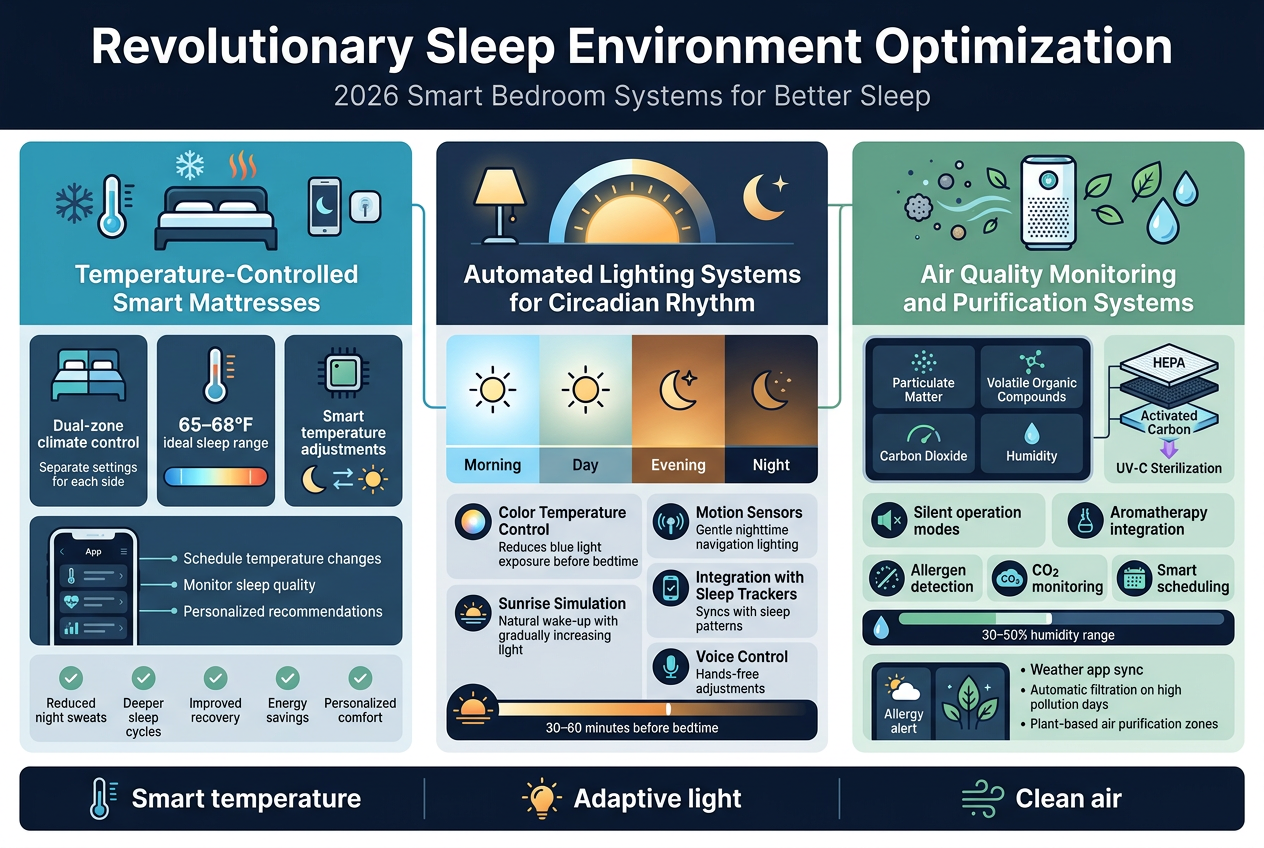
Smart mattresses with advanced temperature regulation have become game-changers for sleep environment optimization in 2026. These innovative sleeping surfaces use dual-zone climate control technology, allowing couples to customize their side of the bed independently. The mattresses feature built-in cooling and heating elements that respond to your body temperature throughout the night, maintaining the ideal sleep temperature between 65-68°F.
Leading brands now offer mattresses with phase-change materials that absorb and release heat as needed. These materials work alongside integrated water-cooling systems and breathable foam layers to create consistent comfort. The smart sensors track your sleep patterns and automatically adjust temperatures during different sleep phases – cooling your body during deep sleep and gradually warming it before your natural wake time.
Benefits of temperature-controlled mattresses include:
-
Reduced night sweats and hot flashes
-
Deeper sleep cycles through optimal thermal regulation
-
Improved recovery for athletes and active individuals
-
Energy savings compared to whole-room climate control
-
Personalized comfort for different body types and preferences
Popular models feature smartphone apps that let you schedule temperature changes, monitor sleep quality, and receive personalized recommendations based on your sleeping patterns.
Automated Lighting Systems for Circadian Rhythm
Revolutionary sleep environment optimization now includes sophisticated automated lighting systems that work with your natural circadian rhythms. These systems use circadian lighting technology that mimics natural sunlight patterns throughout the day, helping regulate your body’s internal clock for better sleep-wake cycles.
The latest automated lighting solutions feature full-spectrum LED lights that gradually shift color temperature from bright blue-white light in the morning to warm amber tones in the evening. Smart sensors detect ambient light levels and automatically adjust indoor lighting to complement natural daylight, preventing circadian disruption from artificial lighting.
Key features of advanced automated lighting systems:
| Feature | Benefit |
|---|---|
| Color Temperature Control | Reduces blue light exposure before bedtime |
| Motion Sensors | Provides gentle nighttime navigation lighting |
| Sunrise Simulation | Natural wake-up with gradually increasing light |
| Integration with Sleep Trackers | Syncs with your actual sleep patterns |
| Voice Control | Hands-free adjustments for convenience |
These systems connect with smart home platforms and can coordinate with other bedroom devices. Some models include sunset simulation that gradually dims lights 30-60 minutes before bedtime, signaling your brain to produce melatonin naturally.
Air Quality Monitoring and Purification Systems
Advanced air quality monitoring and purification systems have revolutionized bedroom environments by addressing pollution, allergens, and humidity levels that directly impact sleep quality. These intelligent systems continuously monitor particulate matter, volatile organic compounds, carbon dioxide levels, and humidity to maintain optimal sleeping conditions.
Modern air purification units use multi-stage filtration including HEPA filters, activated carbon, and UV-C sterilization to remove 99.97% of airborne particles. Smart sensors detect air quality changes in real-time and automatically adjust purification intensity. Many systems also include humidity control features, maintaining the ideal 30-50% humidity range that prevents dry airways and reduces snoring.
Sleep-focused air quality systems offer these advanced features:
-
Silent operation modes during sleep hours
-
Aromatherapy integration with essential oil diffusers
-
Allergen detection with targeted filtration responses
-
CO2 monitoring to prevent stuffy, oxygen-depleted air
-
Smart scheduling that pre-purifies air before bedtime
-
Sleep report integration showing air quality impact on sleep scores
The best systems connect to weather apps and automatically increase filtration during high pollution days or allergy seasons. Some models include plant-based air purification zones that use specific houseplants known for their air-cleaning properties, creating a natural sleep sanctuary.
Natural and Holistic Sleep Enhancement Methods
Scientifically-Proven Herbal Supplements
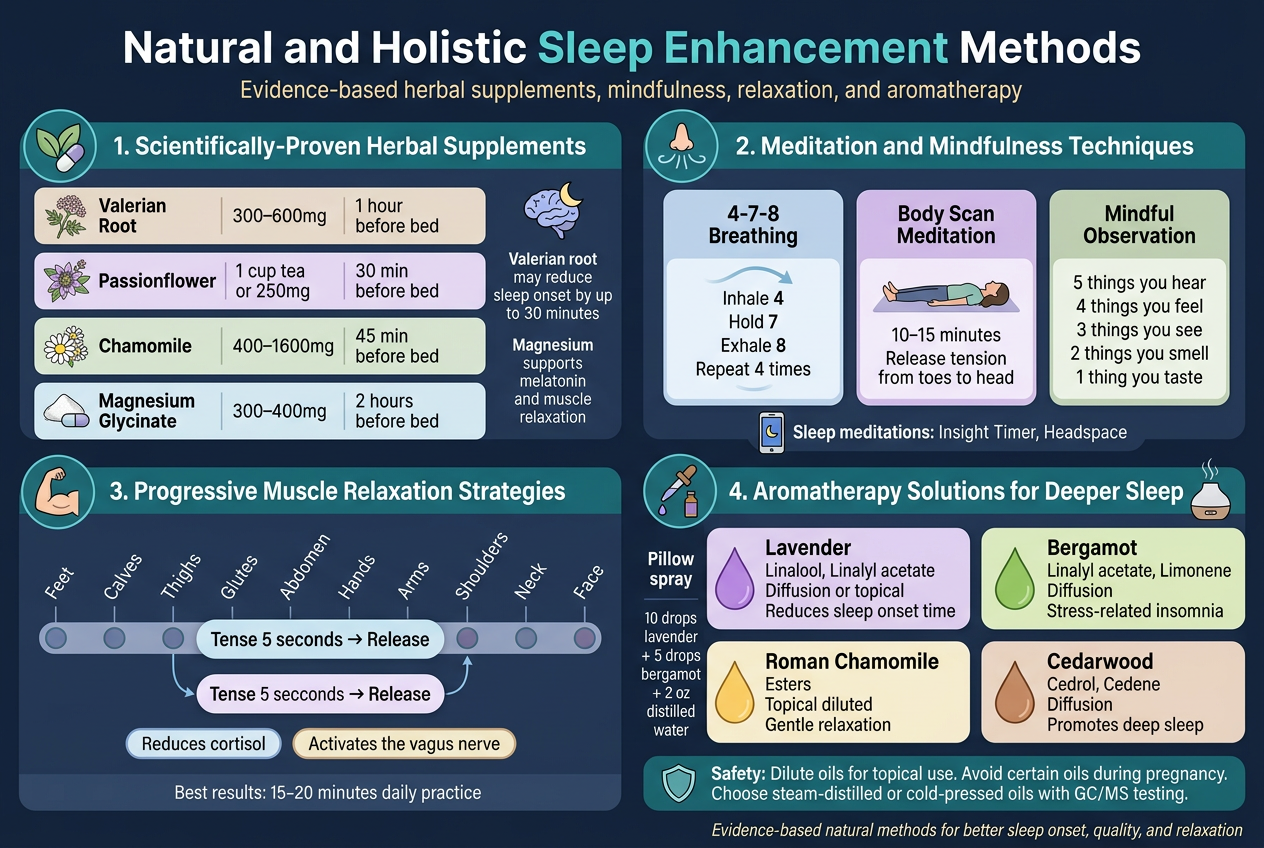
Sleep-supporting herbs have gained serious scientific backing, making them powerful allies in your quest for better rest. Valerian root stands out as one of the most researched options, with studies showing it can reduce the time it takes to fall asleep by up to 30 minutes. The herb works by increasing GABA levels in your brain, naturally calming your nervous system.
Passionflower offers another evidence-based solution, particularly effective for people whose minds race at bedtime. Clinical trials demonstrate that passionflower tea consumed 30 minutes before sleep significantly improves sleep quality scores. Chamomile contains apigenin, a compound that binds to specific brain receptors to promote drowsiness and reduce anxiety.
Magnesium glycinate deserves special attention as a mineral supplement that supports both sleep onset and deep sleep phases. Research indicates that 300-400mg taken two hours before bed helps regulate melatonin production and muscle relaxation.
| Supplement | Dosage | Best Time | Primary Benefit |
|---|---|---|---|
| Valerian Root | 300-600mg | 1 hour before bed | Faster sleep onset |
| Passionflower | 1 cup tea or 250mg | 30 min before bed | Reduces racing thoughts |
| Chamomile | 400-1600mg | 45 min before bed | Anxiety reduction |
| Magnesium Glycinate | 300-400mg | 2 hours before bed | Deep sleep enhancement |
Meditation and Mindfulness Techniques for Better Rest
Modern sleep research reveals that meditation directly impacts brain waves associated with sleep, making mindfulness practices incredibly effective natural sleep enhancement methods. The 4-7-8 breathing technique creates immediate relaxation by activating your parasympathetic nervous system. Breathe in for 4 counts, hold for 7, exhale for 8, and repeat this cycle four times.
Body scan meditation works particularly well for people who carry physical tension into bed. Start at your toes and mentally “check in” with each body part, consciously releasing any tightness you discover. This practice typically takes 10-15 minutes and can be done lying in bed.
Mindful observation helps quiet mental chatter by focusing your attention on present-moment sensations. Notice five things you can hear, four things you can feel, three things you can see in the darkness, two things you can smell, and one thing you can taste. This technique redirects anxious thoughts away from tomorrow’s worries.
Apps like Insight Timer and Headspace now offer specialized sleep meditations that guide you through progressive relaxation sequences. Research from Harvard Medical School shows that people who practice meditation for just 8 weeks experience measurable improvements in sleep quality and duration.
Progressive Muscle Relaxation Strategies
Progressive muscle relaxation (PMR) works by systematically tensing and releasing muscle groups, teaching your body to recognize the difference between tension and relaxation. This technique proves especially valuable for people whose sleep problems stem from physical stress or chronic pain.
Start with your feet, tensing the muscles for 5 seconds, then releasing and noticing the contrast. Move systematically through your calves, thighs, glutes, abdomen, hands, arms, shoulders, neck, and face. The entire sequence takes about 15-20 minutes and becomes more effective with regular practice.
Modified PMR techniques work well for people with mobility limitations or injuries. You can practice tension and release with just your hands and facial muscles, or focus purely on the visualization aspect by imagining tension melting away from each body part.
The science behind PMR shows it reduces cortisol levels and activates the vagus nerve, which signals your brain that it’s safe to enter sleep mode. Studies indicate that people who practice PMR for two weeks see significant improvements in both sleep latency and sleep quality scores.
Aromatherapy Solutions for Deeper Sleep
Essential oils work through multiple pathways to promote better sleep, including direct effects on the limbic system and indirect benefits through reduced anxiety and improved mood. Lavender remains the gold standard, with over 100 studies confirming its sleep-promoting properties. The key compounds linalool and linalyl acetate cross the blood-brain barrier to produce calming effects.
Bergamot offers unique benefits for people whose sleep issues relate to stress and depression. Unlike most citrus oils, bergamot is naturally sedating due to its linalyl acetate content. Roman chamomile provides gentle relaxation perfect for children or sensitive individuals, while cedarwood contains natural sedative compounds that promote deep sleep phases.
Application methods significantly impact effectiveness. Diffusing oils for 30 minutes before bedtime allows gradual inhalation, while applying diluted oils to pulse points provides longer-lasting benefits. A simple pillow spray combining 10 drops lavender, 5 drops bergamot, and 2 ounces distilled water creates an instant sleep sanctuary.
| Essential Oil | Primary Compounds | Best Application | Sleep Benefit |
|---|---|---|---|
| Lavender | Linalool, Linalyl acetate | Diffusion or topical | Reduces sleep onset time |
| Bergamot | Linalyl acetate, Limonene | Diffusion | Stress-related insomnia |
| Roman Chamomile | Esters | Topical diluted | Gentle relaxation |
| Cedarwood | Cedrol, Cedene | Diffusion | Promotes deep sleep |
Safety considerations include always diluting oils for topical use and avoiding certain oils during pregnancy. Quality matters significantly – look for oils that are steam-distilled or cold-pressed and come with GC/MS testing certificates.
Medical Breakthrough Treatments for Sleep Disorders
Non-Invasive Sleep Apnea Solutions
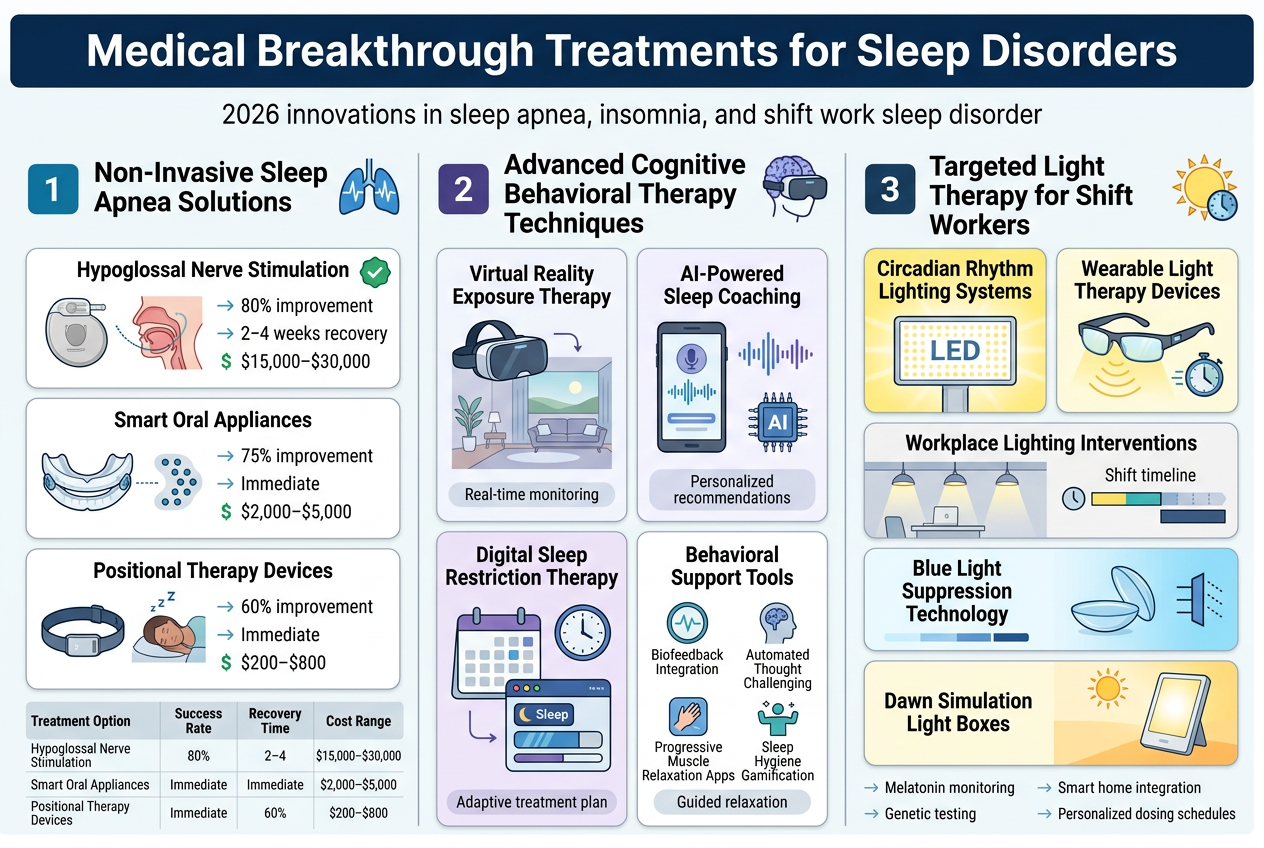
Sleep apnea affects millions of people worldwide, but medical sleep breakthrough treatments in 2026 offer promising alternatives to traditional CPAP machines. Hypoglossal nerve stimulation therapy has emerged as a game-changing solution, using a small implanted device that monitors breathing patterns and stimulates the tongue muscles to keep airways open during sleep. This FDA-approved treatment shows remarkable success rates, with 80% of patients experiencing significant improvement in their sleep quality.
Oral appliance therapy has also evolved dramatically, featuring smart mandibular advancement devices that automatically adjust throughout the night based on breathing patterns. These custom-fitted devices use micro-sensors to detect airway obstruction and make real-time adjustments, providing personalized treatment without the bulk and noise of traditional equipment.
Positional therapy devices represent another breakthrough, using gentle vibrations to encourage side-sleeping positions that naturally reduce apnea episodes. These wearable devices learn individual sleep patterns and provide subtle prompts when patients shift into problematic sleeping positions.
| Treatment Option | Success Rate | Recovery Time | Cost Range |
|---|---|---|---|
| Hypoglossal Nerve Stimulation | 80% | 2-4 weeks | $15,000-$30,000 |
| Smart Oral Appliances | 75% | Immediate | $2,000-$5,000 |
| Positional Therapy Devices | 60% | Immediate | $200-$800 |
Advanced Cognitive Behavioral Therapy Techniques
Cognitive Behavioral Therapy for Insomnia (CBT-I) has been revolutionized through artificial intelligence and virtual reality integration. These best sleep disorder treatments combine traditional therapeutic approaches with cutting-edge technology to create personalized treatment plans that adapt to individual progress and setbacks.
Virtual reality exposure therapy helps patients overcome sleep-related anxieties by creating immersive, calming environments that gradually desensitize them to bedroom-related stress triggers. Patients wear VR headsets during therapy sessions, experiencing guided relaxation in various peaceful settings while learning to associate their bedroom with rest rather than anxiety.
AI-powered sleep coaching applications now provide real-time cognitive restructuring support, identifying negative thought patterns through voice analysis and offering immediate interventions. These apps track sleep diary entries, mood fluctuations, and behavioral patterns to deliver personalized recommendations that evolve with treatment progress.
Digital sleep restriction therapy platforms automatically calculate optimal sleep windows based on sleep efficiency data, gradually increasing time in bed as sleep quality improves. This precise approach eliminates guesswork and ensures patients maintain healthy sleep pressure without over-restriction.
-
Biofeedback Integration: Real-time monitoring of heart rate variability and muscle tension
-
Automated Thought Challenging: AI-driven responses to catastrophic thinking patterns
-
Progressive Muscle Relaxation Apps: Guided sessions with haptic feedback
-
Sleep Hygiene Gamification: Point-based systems that reward consistent sleep behaviors
Targeted Light Therapy for Shift Workers
Shift work sleep disorder affects nearly 20% of the workforce, but targeted light therapy solutions in 2026 offer unprecedented precision in circadian rhythm management. Circadian rhythm lighting systems use specialized LED panels that deliver specific wavelengths at optimal intensities to reset internal clocks effectively.
Wearable light therapy devices have become incredibly sophisticated, featuring lightweight glasses that deliver precisely timed light pulses based on individual circadian profiles. These devices use continuous monitoring of melatonin levels through skin sensors to determine the most effective treatment timing for each user.
Workplace lighting interventions now include dynamic lighting systems that automatically adjust throughout shifts to support alertness during work hours and prepare the body for sleep afterward. These systems coordinate with personal devices to create seamless transitions between work and home environments.
Blue light suppression technology has advanced beyond simple blue-light-blocking glasses to include adaptive contact lenses that automatically filter harmful wavelengths while preserving beneficial light exposure. These contacts adjust their filtering properties based on ambient light conditions and time of day.
Revolutionary sleep solutions for shift workers also include light boxes with dawn simulation features that gradually increase light intensity to mimic natural sunrise patterns, helping workers establish consistent sleep-wake cycles regardless of their work schedule. Combined with smart home integration, these systems can coordinate bedroom lighting, temperature, and sound to create optimal sleep environments for any schedule.
Bright light therapy protocols now include personalized dosing schedules based on genetic testing for circadian rhythm variations, ensuring each individual receives the most effective treatment for their unique biological makeup.
Lifestyle Modifications for Sustainable Sleep Improvement
Optimized Evening Routine Development
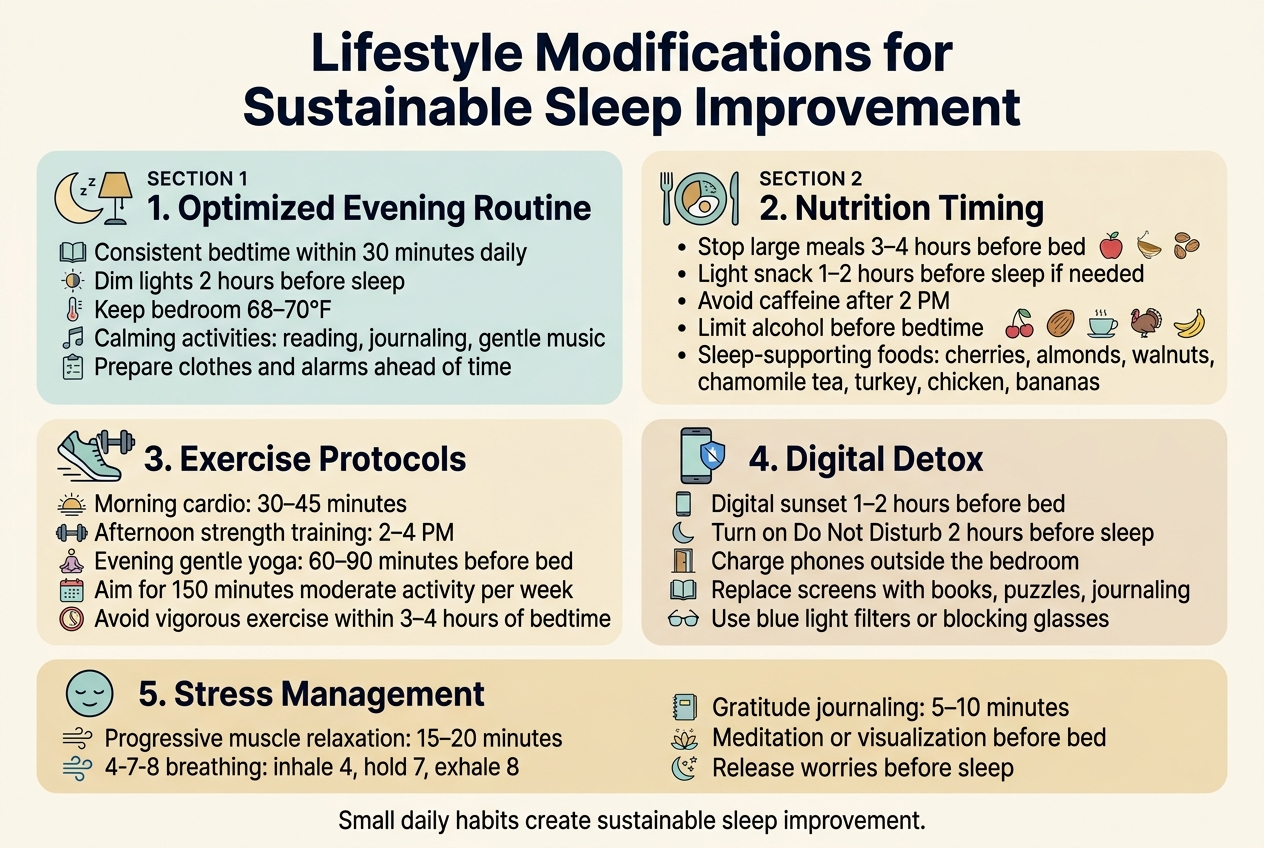
Creating a structured evening routine signals your body that sleep time approaches. Start by setting a consistent bedtime, even on weekends, to regulate your circadian rhythm. Begin winding down 2-3 hours before sleep with dimmed lighting throughout your home.
Your evening routine should include specific relaxation activities that work for your personality. Some people find reading physical books calming, while others prefer gentle stretching or meditation. Avoid stimulating activities like intense exercise, work emails, or dramatic TV shows during this wind-down period.
Essential Evening Routine Elements:
-
Consistent bedtime schedule (within 30 minutes daily)
-
Dimmed lighting starting 2 hours before sleep
-
Temperature regulation (68-70°F bedroom environment)
-
Calming activities (reading, journaling, gentle music)
-
Preparation rituals (laying out clothes, setting alarms)
Nutrition Timing for Enhanced Sleep Quality
When and what you eat significantly impacts sleep quality. Stop eating large meals 3-4 hours before bedtime to prevent digestive disruption during sleep. However, going to bed hungry can also interfere with rest, so light snacks 1-2 hours before sleep work well for some people.
Certain foods promote better sleep quality. Foods rich in tryptophan, magnesium, and melatonin naturally support sleep cycles. Avoid caffeine after 2 PM, as it stays in your system for 6-8 hours. Alcohol might make you drowsy initially, but it disrupts sleep architecture and reduces REM sleep quality.
Sleep-Supporting Foods:
-
Cherries (natural melatonin source)
-
Almonds and walnuts (magnesium and healthy fats)
-
Chamomile tea (calming properties)
-
Turkey and chicken (tryptophan content)
-
Bananas (potassium and magnesium)
Exercise Protocols for Better Rest
Regular physical activity improves sleep quality, but timing matters tremendously. Morning or afternoon exercise helps regulate circadian rhythms and reduces the time needed to fall asleep. Vigorous exercise within 3-4 hours of bedtime can be counterproductive, raising body temperature and adrenaline levels.
Different exercise types offer varying sleep benefits. Aerobic exercise particularly improves deep sleep stages, while resistance training helps reduce sleep onset time. Yoga and tai chi combine physical movement with relaxation techniques, making them excellent evening exercise options.
Optimal Exercise Timing:
-
Morning cardio: 30-45 minutes to boost energy and regulate sleep cycles
-
Afternoon strength training: 2-4 PM for maximum sleep benefits
-
Evening gentle yoga: 60-90 minutes before bedtime for relaxation
-
Weekly goal: 150 minutes moderate activity spread across the week
Digital Detox Strategies Before Bedtime
Blue light from screens disrupts melatonin production, making it harder to fall asleep naturally. Implement a digital sunset by putting away phones, tablets, and computers 1-2 hours before bedtime. If you must use devices, blue light blocking glasses or screen filters can help minimize exposure.
Create phone-free zones in your bedroom to resist the temptation of late-night scrolling. Use analog alarm clocks instead of phone alarms to keep devices out of reach. Replace evening screen time with relaxing activities that don’t involve digital devices.
Digital Detox Strategies:
-
Set automatic “Do Not Disturb” modes starting 2 hours before sleep
-
Use blue light filters on necessary devices after sunset
-
Charge phones outside the bedroom
-
Replace digital entertainment with books, puzzles, or journaling
-
Install apps that gradually dim screens as bedtime approaches
Stress Management Techniques for Peaceful Sleep
Racing thoughts and daily stress often prevent quality sleep. Developing effective stress management techniques helps quiet your mind for restful nights. Progressive muscle relaxation involves tensing and releasing different muscle groups, helping your body recognize the difference between tension and relaxation.
Breathing exercises activate your parasympathetic nervous system, naturally preparing your body for sleep. The 4-7-8 breathing technique works particularly well: inhale for 4 counts, hold for 7, exhale for 8. Repeat this cycle 3-4 times to promote relaxation.
Journaling before bed helps process daily events and worries, preventing them from cycling through your mind during sleep attempts. Write down three things you’re grateful for and any concerns, then close the journal to symbolically put the day to rest.
Stress Reduction Techniques:
-
Progressive muscle relaxation (15-20 minutes)
-
Deep breathing exercises (4-7-8 technique)
-
Gratitude journaling (5-10 minutes before bed)
-
Meditation apps with sleep-specific programs
-
Visualization exercises for peaceful scenarios
These lifestyle changes for better sleep create sustainable sleep improvement techniques that work long-term. Unlike quick fixes, these modifications address root causes of sleep problems and become natural habits that support lifelong healthy sleep patterns.
Getting quality sleep doesn’t have to be an impossible dream anymore. From cutting-edge sleep tech gadgets and smart room setups to natural remedies and breakthrough medical treatments, you now have more tools than ever to tackle your sleep struggles. The key is finding the right combination that works for your specific situation – whether that’s upgrading your sleep environment, trying holistic approaches, or making simple lifestyle changes that stick.
Start with one solution that feels most doable for you right now. Maybe it’s tweaking your bedtime routine, investing in a sleep tracker, or finally addressing that medical issue you’ve been putting off. Small steps can lead to big improvements in how you sleep, and better sleep means better days ahead. Your future well-rested self will thank you for taking action today.